

Introduction
Engineering breakthroughs don’t always come from exotic new materials. Sometimes they come from perfecting what already works. Phenolic cotton tubes represent exactly this kind of quiet revolution.
These tubes have transformed how engineers solve critical problems across industries. They are composites of cotton fabric and phenolic resin.
The resulting material achieves synergy through the combination of its individual components. The cotton fabric provides mechanical support while phenolic resin adds fire resistance.
But here’s the big question: Why are engineers so obsessed with this material? Well, stick around. We’re about to take you on a journey.
This article explains exactly why phenolic cotton tubes have revolutionized the engineering world. And why they’re here to stay.
What Are Phenolic Cotton Tubes?
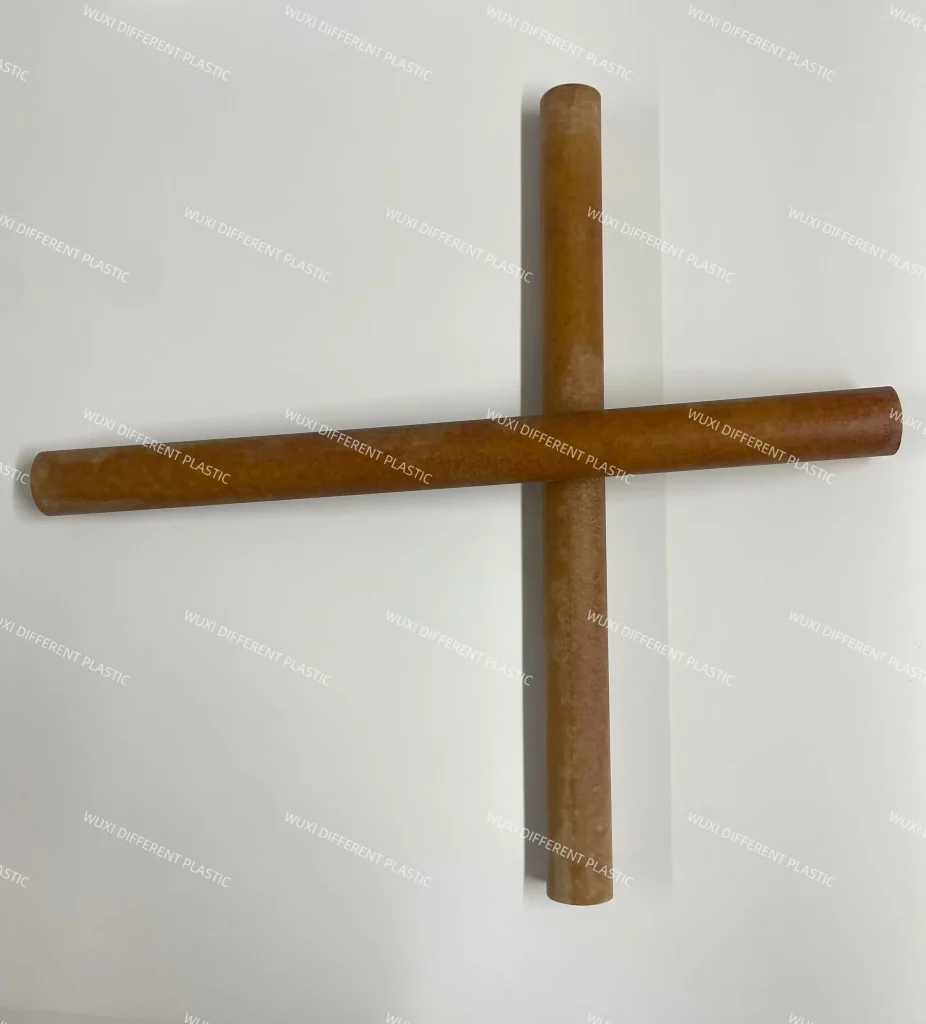
Phenolic cotton tubes are strong composite materials. As the name suggests, they are made from cotton fabric and phenolic resin.
The cotton provides the necessary structural support. On the other hand, the phenolic resin makes it heat-stable and fire-resistant.
These tubes are typically produced by impregnating cotton fabric with phenolic resin. After impregnation, the fabric is rolled into tubes. The tubes are then cured under heat and pressure to bond the resin and fabric.
Phenolic cotton tubes are highly durable. Their thermal stability makes them ideal for use in industrial applications. Therefore, they are commonly found in transformer components, bearing sleeves, and other similar applications.
So, the combination of cotton and phenolic resin is synergistic. It allows these tubes to handle both electrical and mechanical requirements effectively.
One unique feature of phenolic cotton tubes is their resistance to environmental factors. They are moisture-resistant. Therefore, they are suitable for damp environments.
Additionally, they can resist corrosive chemicals and oils. These tubes are suited for moving and gliding components. This is due to their low-friction properties and excellent vibration resistance.
Why Phenolic Cotton Tubes Are Preferred Over Other Insulating or Structural Materials?

The truth is, no material is without its advantages and drawbacks. Each serves a unique purpose tailored to its strength.
Phenolic cotton tubes, however, stand out with their exceptional blend of properties. Compared to similar materials, phenolic cotton tubes offer a rare combination of properties.
The table below highlights how phenolic cotton tubes compare to other commonly used materials in industrial and electrical applications, showcasing why they are the preferred choice in many cases.
| Property | Phenolic Cotton Tubes | Phenolic Paper Tubes | Fiberglass Tubes | PVC Tubes |
| Electrical Insulation | Excellent | Good | Good | Fair |
| Thermal Stability | High | Moderate | High | Low |
| Moisture Resistance | Excellent | Fair | Good | Poor |
| Chemical Resistance | Excellent | Fair | Good | Good |
| Mechanical Strength | High | Moderate | Very High | Low |
| Impact Resistance | Excellent | Good | High | Low |
| Vibration Resistance | Excellent | Good | High | Poor |
| Ease of Machining | High | Moderate | Low | High |
| Cost | Moderate | Low | High | Low |
| Durability | Very Durable | Durable | Highly Durable | Moderate |
What Are the Core Materials of Phenolic Cotton Tubes?
As the name suggests, phenolic cotton tubes have phenolic resin and cotton fabric as their core components.
The resulting laminate can be left plain as sheets or boards. In this case, they are rolled into convoluted tubes. The core components remain the same. Let’s take a closer look.
1) Phenolic resin as the bonding matrix
Phenolic resin serves as the primary binding agent. So, it holds the entire composite structure together. It is a thermosetting polymer, which means it hardens when cool. You may also find it referred to as phenol-formaldehyde resin. This is because it is a product of phenol and formaldehyde. The resin is created through a chemical reaction under controlled conditions.
Once cured, phenolic resin forms a rigid, three-dimensional cross-linked network. At this stage, it cannot be remelted or reshaped.
Besides adhesion, the resin imparts several critical properties to the final product. These include:
- Thermal stability: Phenolic resins can withstand high continuous temperatures (150-180 °C) without degradation
- Chemical resistance: Excellent resistance to acids, alkalis, and many organic solvents
- Electrical insulation: Its outstanding dielectric properties make it ideal for electrical applications
- Fire resistance: Due to its aromatic structure, it has natural flame-retardant properties
- Dimensional stability: Minimal expansion and contraction under varying environmental conditions
2) Cotton fabric as the reinforcement
The cotton fabric acts as the structural backbone. It provides mechanical strength and dimensional stability to the composite. The cotton fibers are typically woven into a tight and uniform fabric. The tighter the weave, the stronger it is. Also, there are specific thread counts optimized for resin impregnation and mechanical performance.
The cotton reinforcement contributes several essential characteristics:
- Tensile strength: Cotton fibers provide excellent multidirectional tensile strength. This is to protect the material from cracking and splitting.
- Flexibility: Naturally, cotton fibers are flexible. So, the fabric component eases the tube formation process and in-service application.
- Machinability: Cotton-reinforced composites are easier to handle. They are easier to machine, drill, and cut compared to synthetic fiber alternatives.
- Cost-effectiveness: Cotton is generally more economical than synthetic reinforcement materials
- Consistent structure: The woven fabric provides strength. However, it also ensures uniform distribution of stress across the tube wall.
- Good resin adhesion: Cellulose is naturally occurring in cotton. Its structure enhances bonding with phenolic resin to produce a strong interface.
How Are Phenolic Cotton Tubes Manufactured?
As with any production process, there are steps and procedures. Each sequence contributes to the end result. This is the same for phenolic cotton tubes.
The first step after getting the materials is impregnating the fabric with resin. In this case, phenolic resin is used.
Afterwards, the material is rolled into tubular forms. It doesn’t end there. Final finishing and polishing are done before the desired dimensions are cut out. Let’s see each step in more detail.
Step 1. Impregnation of cotton fabric with phenolic resin
Before any resin gets near the cotton, the fabric needs proper cleaning. This means removing oils, waxes, and any surface contaminants. These can interfere with the process.
Many manufacturers then apply caustic soda treatment. It makes the cotton fibers more receptive. Without this preparation, you won’t get uniform resin distribution throughout the material.
Once the fabric is clean, it’s time for the main impregnation process. There are three common methods manufacturers use here.
Dip coating involves submerging the entire fabric in resin baths. This works well to achieve consistent coverage.
Roller application gives you more control over thickness. It works by applying resin as the fabric passes through rollers.
The third option is pressure impregnation. This actually forces resin deep into the fiber structure under controlled pressure conditions.
Getting the resin viscosity right is absolutely critical at this stage. Temperature plays a huge role because it directly affects how the resin flows. Too thick and it won’t penetrate properly. Too thin and you’ll get uneven coverage.
That’s why manufacturers continuously monitor both temperature and viscosity. Air pockets can weaken the final product. So it is common practice to eliminate them.
The next phase involves B-staging ovens, where the magic of partial curing happens. These specialized ovens maintain very specific temperature and humidity conditions.
Simultaneously, the fabric moves through at calculated speeds. This gradual process removes moisture and starts the initial polymerization reaction. The goal is to get the resin partially cured but still flexible enough for the next step.
Step 2. Rolling and curing process to form tubular shapes
Now comes the actual tube formation. The B-staged material gets wrapped around precision metal rods in multiple layers.
Each wrap builds up the wall thickness. It’s similar to wrapping tape around a cylinder. However, each layer bonds with the previous one as the process continues.
Timing is everything during this rolling phase. The material has to stay workable long enough to complete all the wraps. It must not be too soft, otherwise the layers will shift around.
If the resin has cured too much, it can crack during rolling. On the other hand, not enough curing can lead to dimensional problems later on.
After rolling is complete, the final curing phase takes place. Here, there is further curing while the tube is still wrapped around the metal rods.
This is where autoclaves or heated presses come into play. They apply intense heat and pressure simultaneously.
The combination causes the resin to flow one final time. It also fills any microscopic voids and completes the polymerization process. This results in a rigid structure with maximum bonding strength between all layers.
Step 3. Precision machining for final dimensions
After complete cooling, the metal rods are removed. This leaves hollow tubes ready for final processing.
The tubes are then cut into specified dimensions using computer-controlled cutting equipment. At this stage, they can also be customized to more precise specifications.
The next thing is to ensure there are no surface irregularities. These defects tamper with the molding process. Usually, industrial sanders are employed. They smooth out any imperfections and ensure the whole tube has uniform thickness.
However, some applications may require more complex features. Common examples include grooves, holes, tapered ends, and the like. This is where CNC machinery becomes essential. It handles intricate cuts and does that with extreme precision.
Generally, the choice of cutting tools depends on the material’s specific properties. Optimized cutting parameters ensure the best possible surface finish and dimensional accuracy.
Finally, some Quality control measures are taken. For instance, each tube is tested to validate that it meets the desired specifications.
Also, parameters like dielectric strength are measured to confirm electrical properties. The thermal resistance can be tested for temperature capabilities, and so on.
The tube’s structural integrity is evaluated through mechanical stress tests. Ultrasonic scanning can even detect internal defects that aren’t visible on the surface. Only after passing all these checks do the tubes get approved for packaging and shipment.
What Are the Key Properties of Phenolic Cotton Tubes?
The mechanical strength and electrical properties of phenolic cotton tubes have been established. However, this is not all it possesses. Some of its other strengths are an offshoot of these key properties. Nonetheless, the following are key properties of these tubes:
1) Strength and durability (compressive and tensile strength)
Phenolic cotton tubes deliver exceptional load-bearing capacity in both directions. They resist crushing forces while maintaining structural integrity under pulling stress.
2) Electrical insulation performance (resistance to current leakage)
These tubes block electrical current effectively. This prevents dangerous leakage that could cause equipment failure. Their dielectric properties remain stable across varying voltage levels. Therefore, they are reliable for high-voltage applications.
3) Thermal stability (temperature range without deformation)
The operating temperature range is wide. It is typically from -40°C to 180°C. This ensures there are no shape changes or structural breakdown. It also allows reliable use in both extreme cold and high-heat environments.
4) Dimensional stability under load
Heavy loads won’t cause these tubes to warp, bend, or change dimensions significantly. They maintain precise tolerances even under continuous stress. This ensures consistent performance in precision applications.
5) Vibration and impact resistance
Shock absorption capabilities protect surrounding components from damage. The cotton fiber serves this purpose. It dampens vibrations effectively while absorbing sudden impacts without cracking or splitting.
6) Resistance to oils, fuels, and chemicals
Most industrial fluids won’t degrade or weaken the phenolic cotton tube material. This chemical resistance extends its versatility and life span.
How to Identify High-grade vs. Low-grade Phenolic Cotton Tubes?
There are a number of parameters with which phenolic tubes are graded. It is good that you know this, so you know exactly what you are ordering and paying for.
1) Resin Impregnation Quality
High-grade tubes show complete resin penetration with no dry spots or voids. Poor impregnation appears as lighter areas or visible cotton fibers on the surface.
2) Surface Finish
Sometimes, by mere looks, you can tell a high grade from a low one. Premium tubes usually have smooth and uniform surfaces without rough patches or irregularities. Low-grade versions show visible texture variations and processing marks.
3) Dimensional Accuracy
Quality tubes meet tight tolerances consistently across their entire length. Inferior products vary in wall thickness and diameter, affecting fit and performance.
4) Color Uniformity
Even coloring throughout indicates proper curing and quality control. Blotchy or inconsistent coloring suggests processing problems or material variations.
5) Mechanical Strength
Superior tubes resist cracking under stress testing. Lower grades show brittleness or premature failure under load.
What are the Applications of Phenolic Cotton Tubes?
The versatility of phenolic cotton tubes is without question. Its use has been established in several industries. Yet experts project new roles for phenolic cotton tubes and similar materials. Below are a few of the industries where the tubes have found most use.
| Industry | Examples | Use in Applications |
| Electrical and electronics | Insulating bushings, transformer components | Safely isolating current isolation and protecting components in power distribution systems. |
| Mechanical engineering | Bearing sleeves, washers, rollers | Enables smooth operation and wear resistance in gliding and rotating machinery. |
| Automotive and transport | Brake system components, spacers | Reliable performance under extreme conditions and constant vibration in vehicle safety systems |
| Marine industry | Corrosion-resistant components | Essential materials that won’t deteriorate in harsh saltwater environments |
| Aerospace | Vibration dampers, thermal shields | Lightweight, strong materials for reliable performance in extreme temperature variations and high-stress conditions |
Phenolic Cotton Tubes vs. Phenolic Paper Tubes
What differentiates phenolic cotton from phenolic paper tubes is the substrate used. Remember, the substrate used is impregnated into phenolic resins to enhance its qualities. When paper is used as the substrate, the product is called a phenolic paper tube. Let’s see the differences in properties.
| Property | Phenolic Cotton Tubes | Phenolic Paper Tubes |
| Mechanical Strength | Higher impact resistance | More brittle, prone to cracking |
| Machinability | Easier to machine and drill | Harder, may chip during machining |
| Moisture Resistance | Better moisture tolerance | More susceptible to humidity |
| Cost | Generally more expensive | Lower cost option |
| Applications | Heavy-duty mechanical use | Electrical insulation, light duty |
Phenolic Cotton Tubes vs. Fiberglass Tubes
Similar to the above, fiberglass materials can be used as the core of composite tubes. This results in creating fiberglass-reinforced phenolic or epoxy tubes.
| Property | Phenolic Cotton Tubes | Fiberglass Tubes |
| Strength-to-weight | Good balance | Higher strength, lighter weight |
| Chemical Resistance | Excellent | Superior chemical resistance |
| Temperature Rating | Up to 180°C | Higher temperature capability |
| Cost | Lower cost | More expensive |
| Machinability | Excellent | Difficult, requires special tools |
FAQs:
1) What is a phenolic cotton tube used for?
Phenolic cotton tubes serve many roles. For example, electrical insulators, mechanical spacers, and protective barriers in industrial equipment. Therefore, it is commonly found in transformer bushings, bearing sleeves, and brake system components.
2) How strong is a phenolic cotton tube?
These tubes typically withstand compressive loads of 150-200 MPa. Similarly, it has a tensile strength of 80-120 MPa. The overall strength depends on wall thickness and manufacturing quality.
3) Can phenolic cotton tubes withstand high temperatures?
Yes, they operate continuously at temperatures up to 180°C without structural degradation.
4) Are phenolic cotton tubes resistant to chemicals?
They resist most oils, fuels, weak acids, and alkalis effectively. However, strong acids and certain solvents may cause degradation over time.
Final Thoughts!
Phenolic cotton tubes have proven themselves over decades of industrial use. They deliver reliable electrical insulation, mechanical strength, and chemical resistance.
Modern industries depend on their versatile properties. They offer an excellent balance between performance and cost. The tubes require minimal maintenance and last for years.
However, they aren’t perfect for every situation. They have temperature limits and can degrade with very aggressive chemicals.
Understanding these strengths and limitations helps you make better choices. Apply the insights from this guide to your next purchase decision.
Wishing you the best in your endeavors.


