
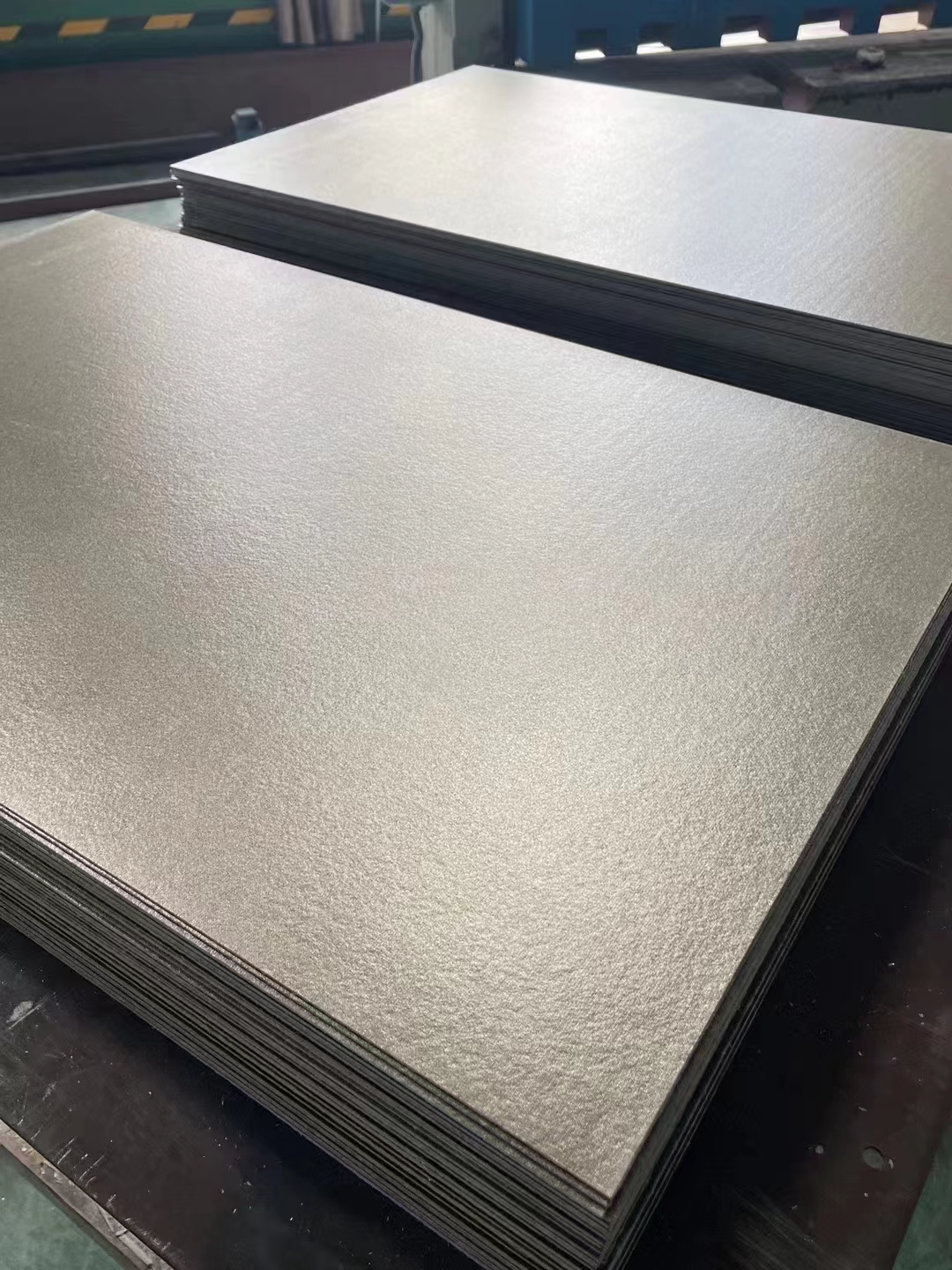
The combination of properties that mica provides in such an expansive world of industrial materials is remarkable. Mica is a naturally occurring mineral found in the silicate group, because of which it shows shimmering layers and has the capacity to resist heat and acts as electrical insulator. Mica is often overshadowed by the more common materials, though its importance to applications from electronics to aerospace is crucial and often so dampened.
Mica is very useful when processed in sheet form. Mica sheets—both natural and synthetic—serve as foundational elements in high-performance insulation and protective layering. Due to their unique characteristics, they are required in the environments where both electrical insulation and thermal endurance is essential.
This is an article about mica sheets, what they are, and how they’re made, and also what types are there and why industries all over the world use them. Whether you’re an engineer, manufacturer, an inquisitive mind — this comprehensive guide will enlighten how mica sheets play a key role in the modern construction, and technology.
What Is a Mica Sheet?
Mica is a group of silicate minerals, the individual members of which are naturally occurring and are distinguished by their layered or platy texture. All over the world, these minerals, which include Muscovite, Phlogopite, and Biotite are used because their physical and chemical stability.
Mica sheet is a product of raw mica with flat shape and durable which retains the natural properties of mineral raw mica. There are these two types of manufacture of these sheets: natural mica sheets and synthetic mica sheets.
Using the mica blocks with care and careful splitting, natural mica sheets are then produced. The second type of waste is then trimmed and processed for either commercial or industrial use. However, synthetic mica is manufactured in controlled environments that in most cases use fluorophlogopite lab grown version that performs even better than their natural counterparts.
Types of Mica Sheets
1.Natural Mica Sheets
Natural mica sheets are directly processed from raw mica rocks. The purity, properties of mineral remain and they have high dielectric strength and good thermal insulation. Muscovite and Phlogopite are most widely used among natural variants.
Muscovite Sheets: Muscovite sheets are transparent and have good electrical insulation and can withstand 500°C of temperatures.
Higher thermal resistance (up to 700°C) and used in high temperature industrial use cases: Phlogopite Sheets.
Since the mineral’s original properties are critical in the application, natural mica sheets are used.
2.Synthetic Mica Sheets
In laboratories, synthetic mica, in particular fluorophlogopite based sheets are made to improve thermal and mechanical resistance. Ideal for extreme environs such as aerospace, nuclear power and high end electronics, these sheets are in the form of these sheets and can withstand temperatures as high as 1000°C and minimum impurities.
Because of their uniformity and the consistency, they take the win over natural mica if precision and durability are critical.
3.Flexible Mica Sheets
Mica sheets with fine mica flakes that are bonded to heat resistant resins or silicone. P stay pliable, lightweight and capable of being wrapped about electrical cables, motor windings or components which require a flexible insulating material. These sheets get the mica characteristics to work with as well as added flexibility, making them perfect for dynamic use.
4.Rigid Mica Sheets
It is made from mica paper impregnated with resin and compressed under heat. These sheets keep their shape and they are used as heating element, in gaskets and in structural insulation systems. On account of the mechanical strength, coupled with high heat resistance, they can be used in industrial and home appliances alike.
Key Properties of Mica Sheets
Sets of properties that make mica sheets important in many industries:
1.Mica can operate in temperatures as high as 1000°C in synthetic forms without losing structural integrity or effectiveness and the thermal resistance of mica is very high. Therefore, mica sheets come to save the day whenever these furnaces, heating elements, and insulation for high temperature equipment are involved.
2.Mica Sheets as Excellent Electrical Insulators: Mica Sheets are good electrical insulators and can endure high voltages. Because of this, they are a necessary part of capacitors, circuit boards and other electronic devices.
3.Inert To Most Acids, Alkalis, Oils, And Solvents: Mica has As low as considerable to almost no chemical resistance by most acids, alkalis, oils and solvents. It also increases this lifespan in harsh chemical environments due to its resistance.
4.Flexible: Flexible mica sheets are thin and easy to handle, and conform to irregular shapes, useful in tight or mobile spaces where insulation is needed, but not able to occupy thick building compartments.
5.Non flammable and flame retardant: Mica does not catch fire nor release harsh chemicals when exposed to fire giving it a good advantage of being a flame resistant material.
6.Rigid mica sheets can exert strong mechanical integrity to be used as support structure simultaneously than insulators.
7.Environmentally Safe: Synthetic mica, in particular, offers a non-toxic, eco-friendly alternative to other insulating materials. You would not be using it for long, meaning that it wouldn’t degrade into harmful by products and can be disposed of after its useful life safely.
Taken together, these properties present mica sheets as a preferred choice for applications which require a synergy of thermal, electrical and mechanical performance.
Manufacturing Process of Mica Sheets
●The first stage of mica sheet manufacture starts from mining mica raw mica from mine. India, China, Brazil, parts of Africa and the US are the major sources of mica.
●The mica is well extracted, manually or mechanically split and graded by size, average thickness and purity. Different mica layers are selectively separated in the thinnest and clearest because it is sheet production.
●These layers are cut, shaped and sometimes bonded to form the larger sheets or laminates for natural mica sheets.
●Mica sheets follow a different route; synthetic mica sheets. The crystals that emulate natural mica’s structure are made in high temperature furnaces and are called fluorophlogopite. They are then processed into thin layers, sometimes by the paper making technique but most of the time this is done by mixing the mica pulp, layering it, drying, and mix with resin to get flat sheets of the same thickness and texture.
●Resin impregnation (epoxy, silicone, polyester) comes into play for rigid mica sheets to add structural rigidity. The mica and resin are then pressed and heat cured to bind them together.
●To guarantee safety, consistency and quality the product will adhere to strict quality control specifications such as IEC (International Electrotechnical Commission) and ASTM (American Society for Testing and Materials).
Applications of Mica Sheets Across Industries
1.Electrical and Electronics
The use of Mica sheets dates back to the electronics industry where they had been believed to be a staple, having offered excellent insulation and thermal properties. In components such as capacitors and transformers, they are used as dielectric separators.
The use of mica based tapes are also made for motor windings and cable insulation within high heat, high voltage environments. They are indispensable in high performance electronics where both safety and efficiency are vital, since they are able to withstand electrical load, prevent arcing and resist sparks.
2.Automotive Industry
In the world of automobile sector, mica sheets prove to be decisive in upping safety and performance levels. Used as heat shields in engines they are heavily used as insulating layers on ignition systems and electric drive units.
Mica based gaskets are employed on the high heat zones such as exhaust system due to their robustness against the thermal stresses and engine vibrations in high heat zones. This ability to withstand great conditions ensures reliability and longevity of modern vehicles.
3. Home Appliances
Perhaps the most important contribution of mica to safe and efficient operation of many household appliances is in the form of mica sheets. They are frequently used in the cover with the magnetron to protect, and to allow microwave energy through in a microwave oven.
Several devices such as toasters and irons use heated mica plates to support their heating coils for their heating coils. Mica is also used in hairdryers where it is relied upon to control and direct heat so that it can be used safely and efficiently whilst in everyday domestic technology.
4. Aerospace and Defense
Mica sheets are few materials that are so resilient as to thrive in demanding environments of aerospace and defense. They are used as thermal shields for aircraft and spacecraft components exposed to the extreme temperature and atmosphere.
In addition, much of the mica mined is used in the insulation layers of the multitude of radar systems and other high altitude electronics depending upon consistent performance. mica now guarantees functionality in missile guidance systems and in more advanced defense technology still under the heat and vibration.
5. Construction
In construction, because mica sheets provide superb levels of both safety and energy efficiency, they are valuable. Fireproof boards and wall panels made with these specimens are used in the building manufacture in order to increase the resistance to fire.
In addition, mica is a heat and electrical barrier used within structures to help save energy. They also have a lightweight yet durable nature that makes them a good fit for use in energy-efficient building designs of today.
6. Furnaces and Foundries
Mica sheets give reliable thermal and electrical insulation in the extreme heat of furnaces and foundries. These are used as thermal gaskets and linings that have the ability to resist long periods of high heat without degradation.
Mica panels are also used as protection in kilns and smelters allowing durability as well as safety during metallurgical operations. These are very robust in high temperature exposure and are suited for such industrial environments.
Advantages of Using Mica Sheets
A balance of performance, safety, and sustainability benefits makes mica sheets attractive for adoption.
●Thermal insulation: Mica’s thermal insulation lowers the loss of energy and increases efficiency in appliances and industrial systems.
●They are not cheap, but mica sheets have a long service life and very little maintenance, coupled with their high performance under extreme conditions, actually make them cheaper on the long run.
●Synthetic mica is an environmentally safe and non-toxic alternative from traditional insulators. Free of hazardous elements, it can be disposed of, or recycled in a manner that is safe for clean air, water and soil.
●Mica sheets are trimmed, shaped, laminated, and rolled to meet any application, even down to the microchip and beyond, giving these sheets versatility to a large variety of products and conditions.
The diverse advantages of Mica sheet continue to keep it relevant in evolving industries that are dedicated to innovation, safety and sustainability.
How to Choose the Right Mica Sheet?
When choosing a mica sheet, it is necessary to consider a number of important factors.
●Temperature Range: In case of extreme heat application, mica sheets made out of synthetic or phlogopite are preferable because of their improved resistance to thermal, these papers attracted the interest of the country’s Ministry of Commerce in the 1980s, while they were imported at a higher cost in the early 1970s.
●Muscovite mica with high dielectric strength and high electric load are used for high voltage insulation.
●Environmental Exposure: Consider exposure to moisture, chemicals, or physical stress. Addition of durability is seen using laminated or resin impregnated mica sheets.
●Flexible mica sheets are good for wrapping and close spaces; rigid sheets are preferable for structural applications.
●Go for sheets meeting international standard (e.g., IEC, ASTM), and getting them from reputed suppliers for reliability and consistent quality and safety.
But when you combine the above criteria, they will help maximize performance and longevity of mica based insulation for the applications you will use it for.
Comparison With Other Insulating Materials
In general, mica sheets are often compared with other insulation materials such as fiberglass, ceramics, and polymers.
Mica vs Fiberglass
Although there are many different uses for an insulating material such as mica or fiberglass, mica sheets are better suited for high voltage and high temperature applications. Mica is valued in applications that use heat and electricity like motors, transformers, and heating elements because of mica’s dielectric strength that enables it to resist electrical breakdown.
However, fiberglass is a good thermal insulator, but it will tend to degrade more quickly after being exposed to direct or continuous high heat (typically above 500°C).
In addition, mica has the additional flame retardant property lacking on pyrophyllite. Mica sheets are not toxic and continue to maintain structural integrity while emitting no toxic fumes under stress, unlike fiberglass that might melt, deform, or release hazardous particles.
In addition, due to a higher dimensionality stability of the mica with respect to the fiberglass under thermal cycling mica is preferred for application in environments where the temperature fluctuates.
Mica vs Ceramic Insulators
Generally, alumina and steatite are known for their excellent thermal stability and electrical insulation. But ceramics always tend to be brittle and can crack or shatter if subjected to any mechanical stress or temperature changes abruptly. In such environment where vibration, movement, or handling is vital, these ones can be less reliable.
On the other hand, mica sheets have high thermal resistance (up to 1000°C in the synthetic mica) and can be made mechanically flexible. They can be cut, bent, or layered without breaking and are easier to cut, bend, and integrate into faculty assemblies, such as a heat coil, aerospace components or electrical components.
Mica is quite successful for applications where diversity as well as performance is required over ceramic insulators.
Mica vs Plastics and Polymers
Electrical insulation and lightweight thermal applications use such plastics and polymers as PVC, PTFE and polyimides. But they have temperature limitations, failing or losing integrity around 200–300°C. But they melt, deform or emit toxic gases when exposed to higher temperatures posing risk in critical systems.
Synthetic types of mica sheets are non-flammable, chemically inert and thermally stable up to more than 1000°c. Used for fire rated electrical insulation, thermal shielding and high reliability electronics, these are especially suited for safety, longevity, and environmental versusibility.
In addition, mica has different characteristics from many common polymers, which degrade with time from UV or chemical exposure, as the performance characteristics of mica tend to remain unchanged for decades.
In high heat, high stress environments, mica is still the best of the best performance and durability.
Maintenance, Durability, and Safety
Once installed the Mica sheets needs minimal maintenance, but should be properly handled to ensure top performance.
●Handling: Try to not fold or overly flex out mica sheets. Wear gloves to prevent contamination.
●Rigid sheets: sheet will last decades in stable conditions; flexible mica: can withstand several heating and cooling cycles without degradation.
●Storage: Mica sheets can be stored properly, dry and out of direct sunlight, for years.
●Natural and synthetic mica are considered environmentally benign disposal. The disposal should conform to local regulations and notably for resin impregnated varieties.
In general, mica sheets not only provide performance but also a long life and a safe environmental profile.
Conclusion
Mica sheets are quietly at work in electronics and aerospace, in everyday household appliances, as well as in heavy industry. One of the unsung hero’s of modern engineering, they consist of an unmatched blend of their thermal resistance, electrical insulation, and mechanical strength, all along with having an environmental safety.
In all such areas where the mica sheets are used in the form of rigid panels in heating elements or in wrapping around the cables, the sheets come to the fore in providing the best results. The mica continues to be at a continual availability for years to come as industries continue to evolve and the need for more efficient, durable and also eco friendly materials.
Knowledge of various types, properties, and mica sheet use helps businesses and people to make decisions that are in line with targets of performance and the principles of sustainable development.
In other words, don’t disregard mica sheets as they are: reliable, versatile, and the silent representative of the future, whether helping to upgrade an appliance, designing a spacecraft, or creating a safer home.


