
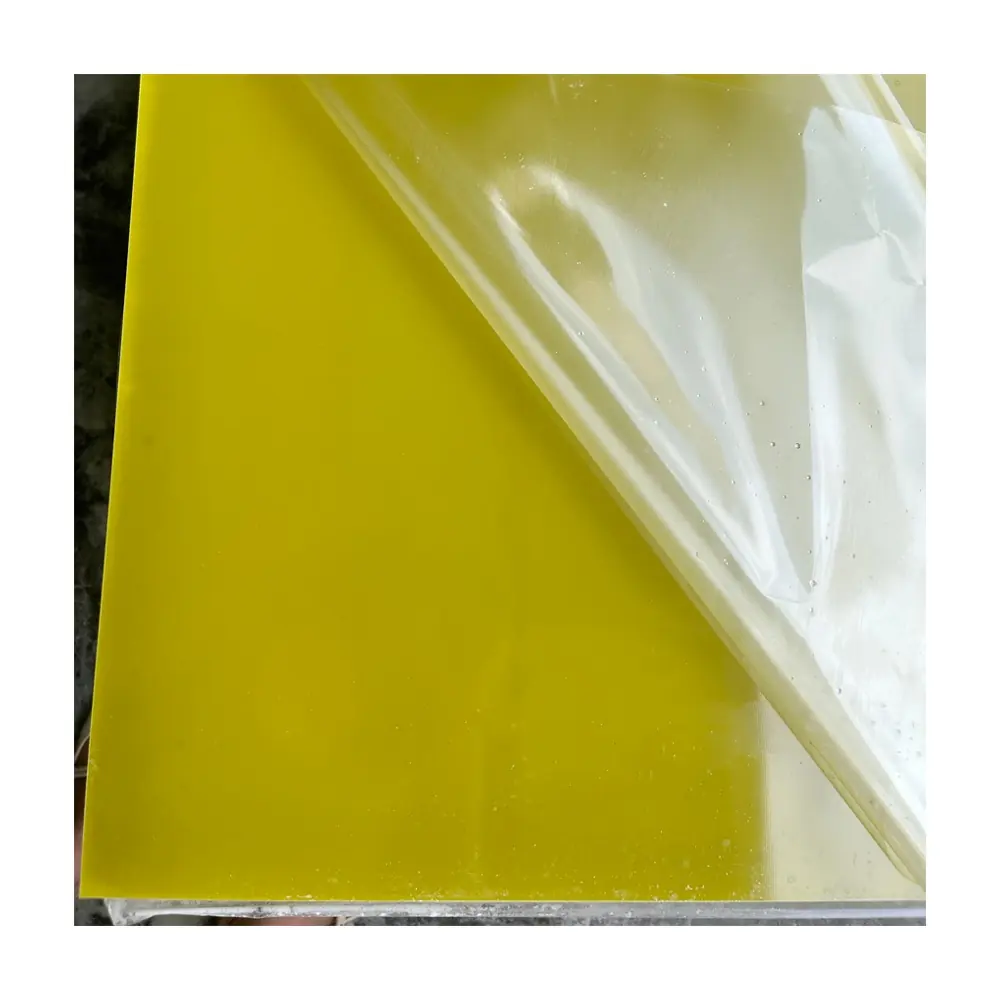
FR4 is a widely used material in electrical work. Made from Glass fiber and epoxy resin. The layers are compacted into these materials.
FR4 is strong and light. It also provides a good level of electrical insulation. Has useful resistance to heat and flame. Material used in circuit boards. Also found in machine and electrical components.
There are various types of FR4. Each grade provides a different heat, strength and electrical performance.
In this article, we’ll explore Material FR4 and its different types. You will also learn all essential points to consider when choosing a product.
Key Highlights:
- Material of FR4 is woven glass fibre and epoxy resin.
- Provides satisfactory strength and electrical insulation.
- The various FR4 grades are developed for various heat and work conditions.
- Resin, glass fiber, and curing can cause variations in the quality of materials.
- FR4 is used in a variety of electrical components, machines, switchgear, and circuit boards.
Material FR4: Understanding the Backbone of Modern Electrical and Composite Engineering
There are a number of electrical and industrial products that use FR4. It’s favored for its combination of strength and insulation.
A lot of simple insulating materials are capable of stopping the flow of electrical current. But they might not be tough enough for heavy duty applications. Some might also lose form when heated.
There’s more to FR4 than just insulation. It has a good glass fiber backbone. It also has an epoxy resin coating over the fibers. This combination provides enhanced strength to the material.
FR4 is also able to withstand heat to a greater extent than many simple plastics. Can withstand fire according to the test requirements. This renders it handy in locations where security is essential.
A major advantage is that it maintains a fixed form. FR4 is relatively stiff and difficult to bend or manipulate into new shapes. This will allow parts to maintain their dimensions during use.
It is also of importance that it has electrical properties. FR4 is capable of preventing electric current from flowing through the material. This is to maintain the safety of the surrounding components. It also minimises the risk of short circuits.
In the electronics industry, FR4 was used more and more. FR4 is a popular base material for printed circuit boards. Copper tracks and electronic parts are located on the board.
It is also used not in circuit boards. It can be found in switchgear and control panels. It is also employed in motors and power units.
Machine parts also are produced from FR4 in factories. It’s frequently used for components that require both strength and insulation. It can also be cut into numerous shapes. Can be drilled and milled into special parts. It is therefore used for a wide range of tasks.
This is why FR4 became a worldwide standard as it provides consistent performance. It is available in large quantity. It’s also available in a variety of grades and sheet sizes. FR4 provides an acceptable compromise of cost and performance for many applications. This is why it is still an important material used in today’s electrical systems.
What Exactly Is Material FR4?
FR4 is a type of glass and epoxy material. It is made by joining woven glass cloth with epoxy resin. The term “FR” means flame retardant. This indicates that the product has been produced to be flame resistant.
The grade is indicated by the number “4.” Helps to categorize FR4. Not all FR4 is the same. It’s a material level. It can be used to produce a large number of products. One common form is FR4 sheets. Insulation parts and machine parts are made from these sheets.
FR4 is also used as the base of printed circuit boards. In this case, copper foil will be placed on top of the FR4 layer. Copper is then used to create circuit pathways. This is a critical fact to note. Material FR4 and FR4 circuit board are not equal.
Material FR4 is the base material. A circuit board, a completed product derived from this base. However, FR4 is also available as rods, tubes or cut parts. The final form is based on the job. To compare different Material FR4, industry grades are used. These grades may have different levels of heat resistance. They may also differ in the amount of resin and glass used.
There are some grades suitable for normal electrical application. Others have been made for increased heat or safety requirements. The grade level should reflect the working conditions. If the wrong grade is used the life of the part can be shortened.
The value of FR4 is that it is a material grade that is well-known. The main features can be detected by common test methods. This makes it a choice for engineers in a lot of works.
Internal Architecture of FR4 Composite Material
The strength of FR4 is due to its internal structure. Made of glass cloth and epoxy resin. These materials are used as a single sheet.
1. Woven Glass Fiber Reinforcement Network
The structure of FR4 is mostly glass fiber. The fibers are interwoven in a cloth-like pattern. This woven structure is what provides FR4 with its strength. It also assists the sheet to retain its shape.
The fibres of glass are arranged in various directions. This will distribute the force over the material. It also minimizes the likelihood of cracks.
The kind of glass cloth can influence the end sheet. The strength can vary with the fiber size and weave pattern. It is also possible for them to impact its surface and thickness. Good glass cloth provides better support. It also stabilizes the material when cutting and drilling.
2. Epoxy Resin Matrix System
The spaces between the glass fibers are filled with epoxy resin. It also holds the fibres together. FR4 is solid in the form of resin. It also provides electrical insulation. Epoxy keeps the glass fibers from getting wet. It also provides a smooth and firm surface to the sheet.
The volume of resin needs to be controlled. Excessive resins can be detrimental to strength. Insufficient amount of resin will result in voids within the sheet. The resin should also polymerize properly. Heat resistance and strength may be affected by poor curing.
There are various resin systems used with FR4. Some are designed to withstand higher temperatures. Others are produced to be more flame resistant.
3. Layered Composite Construction
FR4 is composed of a number of layers of glass cloth. Epoxy resin is used to fill the layers. These layers are placed on top of each other. It’s then subjected to heat and pressure. In the process, all layers are fused together into one solid sheet. It also will fill many smaller voids between layers.
The thickness of the layer determines the final thickness. The thicker the sheet, the more glass cloth it will have.
Layer control is very important. Weak areas can result from uneven layers. They can also impact the lay-flat characteristics of the sheet. A high quality FR4 sheet has even spread of resin. It is also well stable in glass structure. This provides greater consistency to the material when it’s being used.
Performance Characteristics That Define Material FR4
There are more than one reason for the choice of FR4. It has several properties that make it valuable. These include strength, insulation, heat resistance and moisture control.
Specific values may vary from grade to grade. Thickness of the sheet may also have an impact on the results. The type of resin and glass content is also a factor.
1. Mechanical Characteristics
FR4 has good mechanical strength. Glass fibres are bearing most of the load. This makes the sheet less bendable. It also imparts good stiffness to the material. Under normal loads, Material FR4 will maintain its shape. It handles supports and mounting of parts.
It also boasts good weight to strength ratio. This can be useful in situations where heavy metal components are not required. Material can withstand cracking in normal use. But bad drilling can cause injury to the edges.
Many machine parts are too hard for FR4. Can be sliced into plates and spacers. It is also possible to create brackets and supports from it.
Strength may vary according to the direction of the fibres. The glass cloth has a woven pattern. This can cause directions to be stronger than others. Thickness also matters. The thicker the sheet is, the more it can tolerate. The final decision should reflect what the force on the part is.
2. Electrical Characteristics
FR4 is a good electrical insulator. Has a high electrical resistance. One of its key advantages is. It helps prevent the live parts from being separated. The FR4 will also exhibit good dielectric strength. This means it will allow high voltage at a given thickness.
The material also minimises current leakage. It is of value in numerous electrical systems. It is relatively stable in its electrical properties in normal conditions. This is one of the reasons that it’s applied in circuit boards.
Moisture has a negative impact on electrical performance. Excessive moisture could reduce insulation over time. Therefore, the working area should be considered for this reason. Also, the voltage level must be equal to the FR4 grade.
3. Thermal Characteristics
FR4 can withstand moderate heat. It has a varying heat limit that is dependent on the grade. An important parameter is the glass transition temperature. It is sometimes referred to as ‘Tg’.
Tg can be detected when the resin begins to soften. At this point the material is not melted. However, its behavior starts to change. Standard FR4 has a lower Tg than high Tg grades. It uses a high-Tg FR4 in the hotter working areas.
Another factor that can cause FR4 to expand is heat. This movement should be controlled in close fit parts. Repeated heating may also impact on long term lives. It is important in power equipment and circuit boards.
The right grade should correspond to the anticipated heat level. It is also important to note that there are peaks of heat that are short.
4. Environmental Characteristics
FR4 is capable of withstanding moisture compared to many basic materials. It contains epoxy resin to reduce water penetration. But FR4 is not 100% waterproof. It still may absorb moisture but just not a lot.
Water’s properties can be altered by long exposure to water. Over time, high humidity can also be an impact. FR4 also has a good performance in many indoor industrial areas. It is normal dust and air tolerant.
Chemical resistance varies according to the chemical type. Mild oils can be not very effective. The resin can be destroyed by strong acids or solvents. Exposed FR4 can also be adversely impacted by UV light over long periods. Additional protection may be required for outdoor use.
The entire working area should be inspected prior to selection of the area. Service life can be affected by heat, moisture, chemicals and UV exposure.
Different Grades of Material FR4
There are a number of grades of Material FR4. All the grades are designed for specific applications. Generally, the resin system is the key difference. Other grades have greater heat resistance. Others adhere to more stringent safety regulations.
The appropriate class is dependent on the working conditions. The price is also a key consideration.
1. Standard FR4 Grade
The most common type is standard FR4. Used for a variety of general electrical components. It provides an acceptable strength and insulation. It also provides an effective flame resistance.
This grade is good for normal heat levels. It is commonly employed in simple circuit boards. Panels and supports are also made of standard FR4. It has a wide range of applications in parts manufacturing.
Typically, it is less expensive than special grades. This makes it a popular option for general use. It is not recommended, however, for very high thermals. In this instance, a higher grade may be required.
2. High Tg Material FR4
High Tg FR4 is made for higher heat levels. The Tg is the glass transition temperature. The higher the Tg, the more rigid the material will be at higher temperatures. It also contributes to minimizing shape changes.
It is a grade commonly found in high power circuit boards. It’s also employed near hot components. High Tg FR4 is more capable of withstanding multiple heat cycles. This can be helpful when soldering or using electricity extensively.
May be more expensive than regular FR4. The additional expense may be beneficial in situations where heat is an issue.
3. Halogen-Free Material FR4
Another flame control system is applied to the halogen-free FR4. It is prepared containing low levels of some of the halogens. This grade is applied if there are strict material rules in place. It can also help meet company objectives for safer material use.
Halogen-free FR4 must pass important fire tests. The exact results are dependent on the resin system. It is often used in modern electronic products. It can also be used in products sold in markets with stringent regulations.
Consumers are advised to verify test data prior to using. The word “halogen-free” alone is not sufficient to indicate the material performance.
4. High Performance FR4 Grades
There are some FR4 grades that are designed for more demanding applications. These materials can be more heat resistant. They might likewise provide enhanced electrical outcomes.
There is a lower moisture uptake in some grades. Others to remain stable throughout intense heat cycles. High performance FR4 boards are often used in advanced circuit boards. It is also applied to power systems and control units.
The grade should be the same as the work. You don’t always need to use a high-grade material. The high expense of a grade that isn’t necessary may increase the finished product cost.
5. Customized FR4 Laminates
FR4 can also be produced to special requirements. The percentage of resin may vary from the maker. The kind of glass cloth can also vary. Sheet can be made as thick or thin as required for the part. Surface finish is also available.
Several of the custom grades offer improved response to heat. Others emphasis strength or electrical use. Special sizes can also minimize production waste. Custom FR4 is helpful if the standard sheets are not able to fulfill the design requirement. But test data is still essential.
Final decision to be taken based on the actual working requirements. It shouldn’t be based on grade name only.
Engineering Factors to Consider Before Selecting Material FR4
The actual working requirement should determine the type of FR4 to be used. A single grade may not be appropriate for all jobs. The working area is to be checked in the first place. The choice may be influenced by heat, load, voltage and method of production.
1. Operating Environment
The performance of FR4 is directly affected by the working area. One key factor is temperature. High Tg grade may be necessary for high heat. Moisture should also be tested. A certain amount of water can be absorbed in FR4. This can impact on its electrical properties.
Chemical contact is also a concern. The resin may be impacted by oils, cleaners, acids and solvents. If you are to use outside, it requires special care. The material may be affected by sunlight and weather over time. The complete service area should be inspected prior to final selection of grade.
2. Mechanical Requirements
The part needs to be sufficiently robust for the load. Weighted parts are available in some FR4 parts. Others are used as supports or spacers. The strength depends on the thickness of the sheets. The thicker the sheet the more force it can handle.
Strength can also be influenced by the direction in which the glass fibers run. This is important in components subjected to frequent loading. Also holes drilled in and edges cut should be taken into account. Weak points can occur due to poor design.
The FR4 selected should correspond to the load on the part. It should also retain its shape while being used.
3. Electrical Requirements
One of the important factors for the selection of FR4 is voltage level. The material should provide sufficient insulation for the system. If the voltage is higher, thicker might be required. Also test the dielectric strength. This indicates the amount of voltage that can be applied to material.
When moist, insulation performance can decrease. This is important in wet or humid areas. Distance of live parts is also important. The electrical design should be designed to be entirely supported by FR4. Test data must be verified prior to use. Just giving the name of the grade isn’t sufficient.
4. Manufacturing Requirements
FR4 should also be appropriate to the intended production method. Certain portions must be drilled. Still others must be milled or cut. The sheet should be easy to machine. It should not be brittle or have any cracks or breaks on the edges.
Tolerances for thickness are also crucial. There may be need for tighter parts size control for tight fit parts. Surface quality can have an impact on subsequent work. This is important for bonding or coating if it is needed.
Also check the heat used in production. There are some processes which may have a high temperature for a short time to FR4. The end product should be appropriate for production and use. This helps to minimize wastage and part failure.
Manufacturing Quality Factors That Affect FR4 Performance
The quality of FR4 is dependent on the manufacturing quality. Production process can make small errors which can impact on the final sheet. Strength and insulation is enhanced by good control. It also aids in ensuring consistency of the material from sheet to sheet.
1. Glass Fiber Quality
The structure of FR4 is primarily made of glass fiber. It is important to have even sized and good strength fibers. A weak or damaged fibre can decrease the strength of the sheet.
The weave should be even as well. Weak areas may result from unevenness in the glass cloth. Additionally, clean glass fiber is important. The dust or dirt can be detrimental to bonding with the resin.
Good glass cloth will keep the sheet flat. It is also used to enhance cutting and drilling strength.
2. Resin Distribution and Content
The resin should be evenly distributed over the whole glass cloth. Excessive resin may cause the resin sheet to become softer. The resin can be applied too sparingly, leaving dry spots.
Dry areas can cause holes in the sheet. These holes can weaken and compromise insulation. Resin content should be in proportion to the grade. It should be even throughout the sheet as well. If good resin control can be achieved, stable results can be produced.
3. Lamination Pressure and Temperature Control
Under heat and pressure, FR4 layers are joined together. The pressure needs to be sufficient to join the layers together. It also aids in eliminating trapped air.
Low pressure also can cause gaps between layers. Excessive pressure will cause excessive resin to be extruded. The temperature should also be regulated. Low heat can result in inadequate bonding.
Excessive heat can be harmful to the resin. This also can impact the end surface. A stable pressure and temperature is useful in the formation of a good sheet.
4. Curing Accuracy
Epoxy resin should be completely cured. The resin is cured to be hard and stable. Curing can be inadequate, resulting in weak material. It may also reduce heat resistance.
Curing time should be right. The temperature also has to remain in the specified temperature range. However, there may be some variation in curing and thus in properties within the same sheet. Strength and long-term use is increased by good curing.
5. Surface Finish Quality
The surface of the sheet should be plain and smooth. Heavy branding can impact subsequent production. Areas with rough surfaces can also lower the level of bonding.
Surface finish is certainly a must for circuit board application. It is also important for parts requiring coating. The sheet should be free from big dents and pits. Flat surface also aids in cutting and assembly.
6. Material Testing and Inspection
Before putting to final use, FR4 needs to be tested. One test that is often used is thickness. A flatness check is also performed on sheet. Insulation quality is allowed to be measured using electrical tests.
Mechanical tests can be used to test strength. Heat tests may also be required. Visual inspection is a method used to detect cracks and surface imperfections. The results of the tests should be consistent with the necessary grade. This minimises the risk of delivery of poor parts to the final production process.
Common Industrial Uses of Material FR4
FR4 is a material that has many uses. Due to its strength and insulation properties, it can be utilized in a variety of components. Final use is dependent on FR4 grade. It also is dependent on heat, voltage, and load.
1. Electrical Insulation Components
FR4 has many applications in the field of electrical insulation parts. Can distinguish between metal and live parts. It can also decrease the threat of leakage in the existing. Typical components include spacers or barriers. Support plates are also made of FR4.
They are used in control panels and power units. They are also installed in electrical cabinets. The FR4 is a material that is used for applications that require strength and insulation.
2. PCB and Electronic Circuit Applications
One of the primary base materials of circuit boards is FR4. Copper tracks are supported by the FR4 layer. It also bestows its form to the board. The board surface is attached to electronic parts. They are held in place with the FR4 base.
It also provides insulation between copper layers. FR4 can be used in single-layer boards. Can also be applied to double-layer and multi-layer boards. The necessary grade is dependent on the heat and the design of the board.
3. Power Equipment and Switchgear Components
Power equipment frequently requires highly insulating materials. FR4 is used in switchgear and control systems. Can be used to make barriers between live sections. It is also for use in mounting plates and support parts.
This material separates the electrical sections. It is also capable of maintaining its form when exposed to typical loads. Special grades may be required for high voltage application. The thickness of the sheet should be carefully chosen as well.
4. Industrial Machine Insulation Parts
Many machines have motors and electrical controls. FR4 can be used to separate these parts from the machine frame. It commonly is converted into plates and washers. Can be used for guides and supports too.
These parts can be subjected to heat and vibration. They can also be subjected to multiple passes of the machine. The FR4 grade should be able to withstand these working conditions.
5. Automotive Electrical Systems
There are lots of electrical components in modern vehicles. Control Units and Circuit Boards are made of FR4. It can also be used in power control system. This can be used for holding sensors and electronic modules.
Heat and vibration can be encountered by automotive parts. They also can be exposed to moisture. Therefore, it is important to select the right grade, FR4. A higher Tg material may be required in high heat areas.
6. Aerospace and High-Reliability Equipment
One of the key requirements of aerospace systems is stability of materials. Some circuit boards and insulation parts can be made of FR4. Can also be used in test and control equipment.
There are many such uses that may require rigorous material tests. Heat limits need to be reevaluated. Also, the electrical properties (must) should satisfy the design need.
Another important factor is weight. Not all aerospace application can be done with standard FR4. For more difficult conditions, special grades might be necessary. Material test data shall always be verified prior to use.
FAQs:
1. What Is the Composition of Material FR4?
FR4 is composed of glass fiber fabrics and epoxy resin. The glass fiber provides strength. The layers are bound together by the epoxy resin. It also provides electrical insulation.
2. Is Material FR4 Waterproof?
FR4 is not 100% waterproof. Fairly moisture resistant. It can, however, absorb a little water with the passage of time. Properties may change with long exposure to water. The impact is grade and working conditions dependent.
3. Is FR4 the Same as Fiberglass?
No, FR4 does have fiberglass in it, but they are not the same. Fiberglass typically means either glass fibers or material that is made from glass. FR4 is a mix of woven glass fiber and epoxy resin. It results in a stable and stiff sheet.
4. Can FR4 Withstand High Temperatures?
FR4 has a moderate heat resistance. Specific grade boundaries will be determined. There is a set Tg range for standard FR4. The higher the Tg the more heat it can withstand, which is the case with high Tg FR4. The correct grade has to correspond with the working temperature.
5. What Is the Difference Between FR4 and G10?
The base material of FR4 and G10 is similar. They are both made of woven fiberglass and epoxy resin. The difference lies only in flame resistance. FR4 can be produced to meet the flame-retardant requirements. The same flame rating may not be achieved with G10. There are also different strength and insulation levels for different grades.
6. Is Material FR4 Electrically Insulating?
Yes. FR4 is a good electric insulator. It curbs the flow of electricity through the material. That’s why it is commonly found in circuit boards and electrical components. The thickness and grade determines the level of insulation.
7. Can FR4 Sheets Be Machined Easily?
Yes. Sheets of FR4 can be cut and drilled. They can also be milled into desired shapes. Appropriate equipment should be employed. Rough edges or cracks occur when tools are poorly made. Dust control is also important during the machining. If not handled properly, glass fiber dust can be dangerous.
Final Thoughts!
The FR4 is still a predominant material for electrical and industrial applications. It provides a fair amount of strength. It also provides excellent electrical insulation. It’s heat resistance and anti-fire is an additional value.
But the FR4 isn’t one single material. Its property may vary between each grade. The type of resin and the percentage of glass also is important. The chosen grade should be appropriate for the actual working conditions. Temperature, voltage, load, and humidity should be monitored.
Quality of production is also of crucial importance. The curing or non-uniform resin can lower performance. Therefore, price should not be the only criteria for buyers to select FR4. Test data and material properties should also be consulted.
With the right grade, FR4 may provide steady and reliable performance in a wide variety of electrical and industrial components.
For more information on Material FR4s and the grades, contact info@differentplastic.com. We can help you select the appropriate Material FR4 for your application.


