
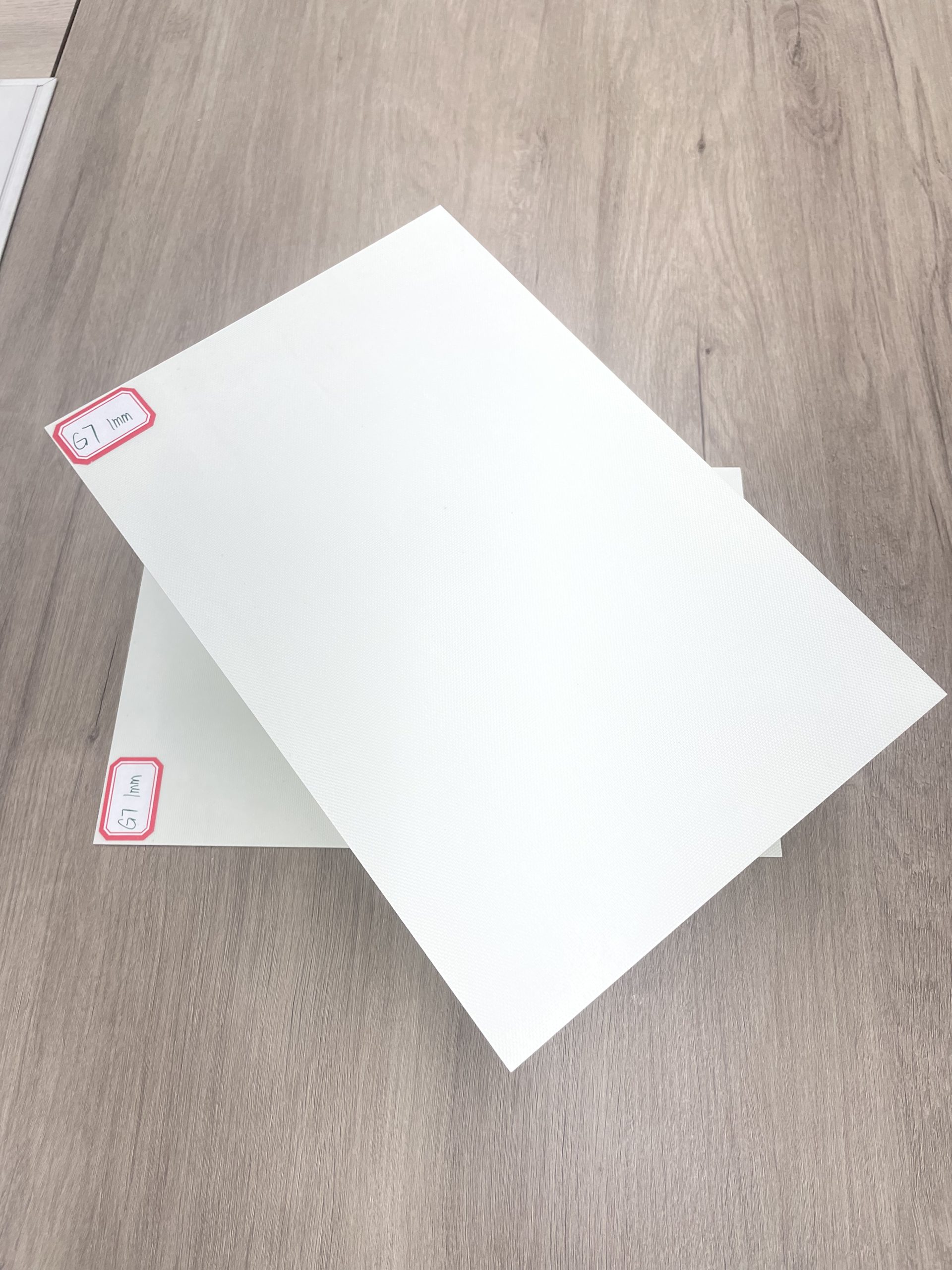
G7 Glass Silicone Laminate Sheets are a class act and provide excellent electrical, thermal, and mechanical properties for applications where they are required to perform in the toughest of environments.
This article reviews G7 sheets’ peculiarities, benefits and usage to guide engineers and manufacturers.
What Is G7 Glass Silicone Laminate Sheet?
Composition and Structure:
G7 Glass Silicone Laminate is a composite made from woven glass fabric soaked in silicone resin. This multi-layered construction of glass and silicone forms a reasonably strong material that is heat and electrically insulated, making it long-lasting and highly performant. Key components include:
Glass Fabric Reinforcement – Offers mechanical strength, stability and heat resistance to make the sheet capable of withstanding extreme situations while the enhancements in performance are minimal.
Silicone Resin Binder – Provides great electric insulation, heat ability and chemical resistance for shielding components from high stressed environments.
Multi-Layer Laminate – Multi layers are bonded to each other in order to increase the overall strength, rigidity and durability and thus suitable to a large number of applications such as electrical insulation to thermal management.
What Makes Nema G7 Different from the Other Insulation Materials?
G7 Glass Silicone Laminate Sheets are a unique kind of sheets that distinguishes them from other insulation materials by its unique properties of glass fabric and silicone resin binder that gives very different set of advantages over more common laminates like FR4 and G10. Let us have a closer look at what makes G7 different from the rest:
1. Thermal Resistance and Stability
FR4 (glass-reinforced epoxy laminate) and G10 (comparable to FR4 but without the flame-retardant characteristics) are strong and can provide an electrical insulation, but it lacks in the stability of the range of temperatures.
G7, by contrast, performs optimally in higher temperatures – uncompromising strength and insulation properties even at temperatures above 200°C. This is what makes it a preferred candidate for use in applications that have to be exposed to continuous high heat like in automotive engine parts, aerospace electronics, and high- power transformers.
Unlike FR4, G7 does not degrade and lose its mechanical strength at high temperatures and is stable, minimizing the possibility of insulation failure, and increasing the working life of equipment protected by the insulation.
2. Electrical Insulation and Dielectric Strength
Although both G7 and FR4 exhibit excellent electrical insulation, the silicone matrix of G7 enhances high dielectric strength and lower power loss, that allows for efficient transfer of energy in high voltage devices.
This is especially important in industries such as power distribution, telecommunications, and industrial automation where the integrity of high voltage insulation is paramount under the highest levels of electrical stress.
3. Moisture and Chemical Resistance
G7’s silicone resin is also extraordinarily resistant to both moisture, chemicals, and UV ray exposure, a quality that makes it ideal for outdoor and marine settings.
G7 differs from FR4 in that it won’t lose its insulation abilities due to any environment, such as salt, chemicals, or humidity, whereas FR4 material does.
Because G7 stays stable, it is a wise choice for parts that come in contact with oils, fuels, and solvents like those seen in automobile and industrial machinery.
4. Mechanical Strength and Durability
G10 is strong and does not bend much, while G7 can tolerate impact without facing much risk of cracking or deformation when it is stressed.
Because of this, G7 performs well in any equipment subject to shaking, jolts, and repeated temperature changes, showing great reliability over the long term.
5. Customization and Versatility
Engineers find it easier to work with G7 sheets because they can be produced in a wider range of thicknesses, density, and surface qualities, unlike FR4 or G10 sheets.
Because of this, G7 can be adjusted to fit many industries, either being thin and pliable for electronics or thick and strong for hard working environments.
6. Cost vs. Performance Balance
Though buying G7 is often slightly more expensive than regular FR4 or G10, its ability to stand up to extreme temperatures, voltages, and corrosion usually means the laminate will require less handling and replacement over time.
All in all, the best part about G7 is that it is stable at high temperatures, moisture-resistant, electrically insulating, and strong, which sets it apart as a solution for tough engineering use cases that other materials may not be able to handle.
Important Properties of G7 Glass Silicon Laminate Sheets
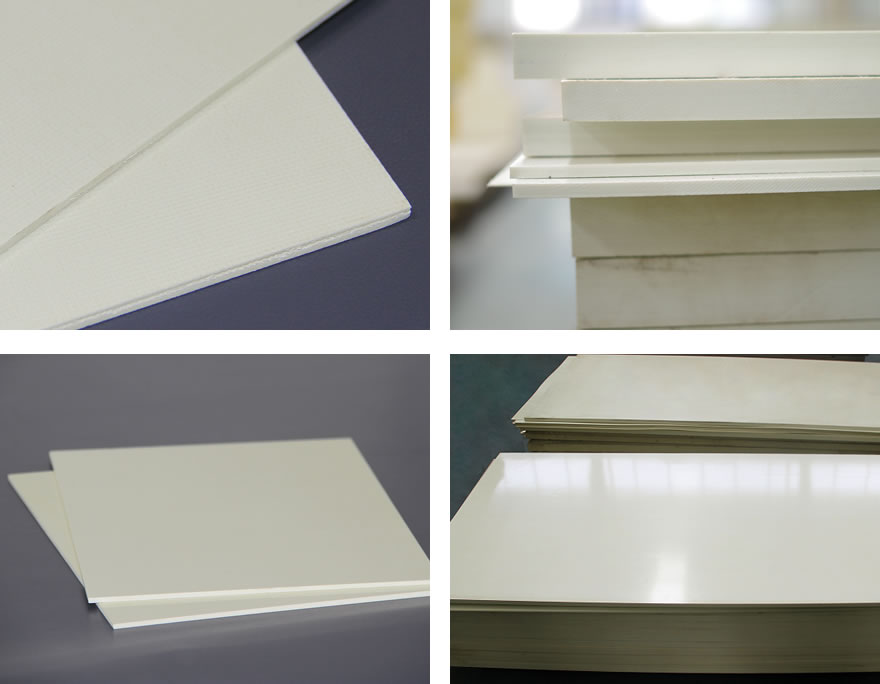
1. Electrical Insulation Performance
Thanks to its remarkable dielectric strength, G7 is recommended for use in electrical equipment that experiences high voltage, since the superior insulation of the components is very important.
Lower electrical loss allows for efficient use of energy, less heat generation, and a more efficient system.
Arc Resistance – Arc resistance means insulation does not fail easily, keeping applications safe and effective where it matters.
2. Thermal Resistance and Stability
High Thermal Conductivity – Effective heat dissipating resolves the risk of overheating to provide stable operation in the state of constant high load.
Wide Temperature Range – Performs in the extremes from cryogenic levels up to over 200°C, allowing use for high heat industrial applications down to low-temperature cryogenic systems.
3. Mechanical Strength and Durability
Flexibility and Impact Resistance –It does not crack, deform or mechanical stress meaning that it can withstand rough physical environments without losing its insulating properties.
Long-Term Wear Resistance – Does not degrade even under tough environments hence long term dependability, thus cutting down on replacement needs.
4. Resistance to Chemicals and Compatibility in the Environment
Moisture and Chemical Resistance –Resistant to absorption by water and corrosion from chemicals suitable for outdoor marine applications.
UV Stability – maintainer of a resilience to weathering and UV degradation to allow long term outdoor usage thus reducing cost of maintenance and thus, adding high life cycle value.
A Manufacturing Process of G7 Glass Silicone Laminate Sheets
1. Material Sourcing and Preprocessing
The best fabrics of glass and silicone resins are chosen for maximum performance. The glass fabric is pretreated for enhancing of resin adhesion and mechanical strength, such that quality is maintained in each batch.
Silicone resins are meticulously formulated to obtain the desired electrical and thermal properties so that each sheet is of the highest standard of performance.
2. Lamination and Curing
Construction of the sheet is achieved by impregnating the glass fabric with silicone resin and lamination. These layers are then compressed at high pressure and heat to cure the resin forming a solid, uniform sheet with outstanding mechanical and electrical properties.
These superior curing methods include the use of autoclave processing and vacuum-assisted molding to attain superior resin penetrations and less voids in the laminate.
3. Quality Assurance
Exhaustive testing for electrical, thermal, mechanical properties. This includes such type of tests as for dielectric strength, thermal conductivity, mechanical stress resistance and chemical stability.
State of the art certifications (such as UL, RoHS) to industry standards guarantees consistency in quality, giving the OEM’s confidence while using G7 in mission critical applications.
Advantages Over Traditional Materials
1. Increased Performance in Adverse Conditions
G7 Glass Silicone Laminate Sheets shines in the extreme conditions, providing excellent thermal and electrical performance as compared to the conventional FR4 and G10 materials. They provide structural integrity and insulation under high-temperature, high-voltage and chemically harsh situations in which other materials would otherwise deteriorate, meaning reliability in severe usage.
2. Longer Life Span and Low Maintenance
The resistance of G7 to wear, moisture, UV light and chemical further increase the component’s lifespan, thereby eliminating frequent replacements. This durability will reduce maintenance costs and also minimize downtime which makes it cost effective to industries where long-term reliable performance is required.
3. Customization Options
Comes in different thickness, density and surface finish, G7 can be tailored to fit specific application requirements. This flexibility enables engineers to process the material to specific design needs, providing a custom solution to all types of industries.
G7 Glass Silicone Laminate Sheets Uses
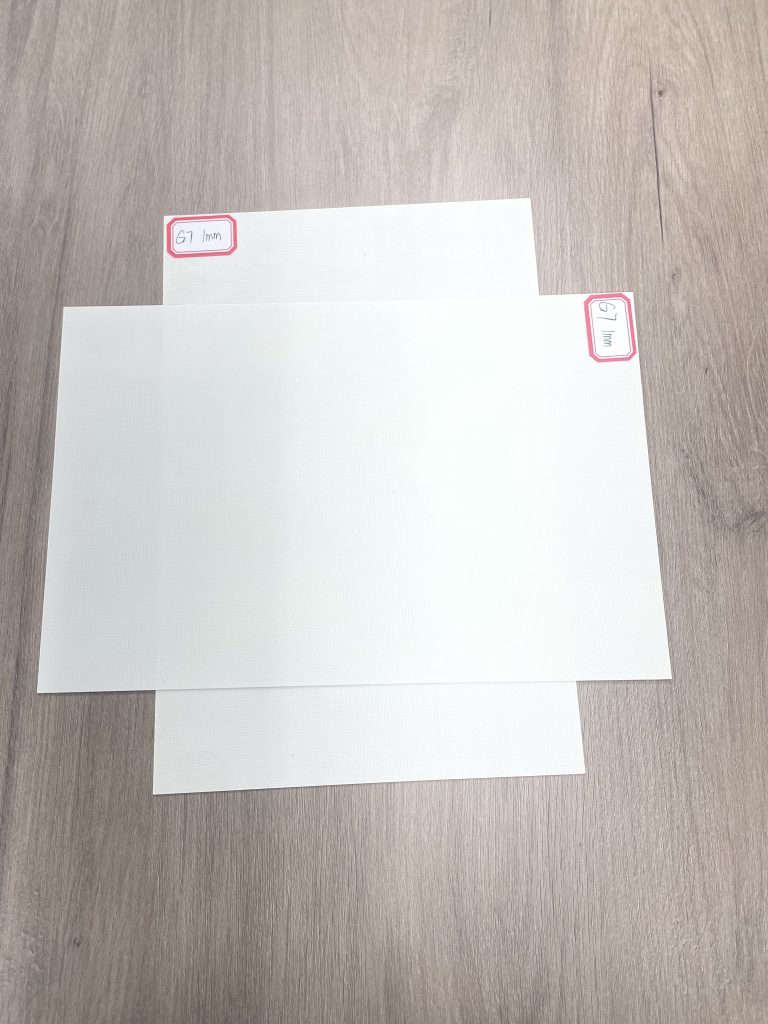
1. Electrical and Electronic Industries
G7 Glass Silicone Laminate Sheets are necessary for high-voltage electrical applications in transformers, circuit boards, capacitors or any equipment that needs high level of electrical insulation. Their superior dielectric qualities and the ability to withstand the electrical tracking guarantee reliable operation in electric motors, cables, and connectors even under the high electrical stress. This makes G7 an ideal selection for power distribution as far as high performance electronics are concerned.
2. Automotive and Aerospace
In the automobile field, G7 is applicable to the components in the under-hood areas such as battery enclosures and engine parts because of the requirement for high heat-resistance. It also has an instrumental role to play in aerospace, acting as thermal and electrical insulation for wiring, sensor casings, and thermal coatings. The fact that G7 can withstand high temperatures and environmental stresses makes it reliable both in industries.
3. Industrial Machinery and Equipment
Industrial machinery, control panels, and heating elements use G7 Glass Silicone Laminate Sheets popularly. They are durable, shock-resistant, and perform at high temperatures ensuring sturdy action within heavy machinery and vital parts that operate in severe conditions, thus, being integral for industries that need products to function for prolonged periods and under safe conditions.
4. Renewable Energy Sector
G7 is being used in renewable energy sector in solar panels and wind turbine components for providing insulation and mechanical support in extreme outdoor environment. Its ability to stay strong against moisture, sunlight, and changes in temperature means it can last for a long time, so it is perfect for building solar and wind power facilities that need to work well for years.
Trends and Innovations in the Future G7 Glass Silicone Laminate Technology
1. Advancements in Manufacturing Techniques
The gains that are being made in manufacturing technology, like using computers and 3D printers, are really changing how the G7 Glass Silicone Laminate industry will grow in the future. The process of automation is making it easier and quicker to make these laminates by getting rid of steps that need lots of handwork and making the whole process less expensive.
Automated systems help make sure things are more accurate and done consistently, and this matters a lot for making sure products are high-quality when they are being used in situations where performance really counts. Further, as 3D technology gets better, designers can now come up with a lot more ways to customize G7 laminates. It allows for building more sophisticated stand-ins, so we can make better use of materials and build things that work better and waste less.
These new ways of making laminate sheets not only help cut down the costs of production, but also make it easier to create specialized layers for different kinds of businesses, which lets manufacturers make laminate sheets that fit each customer’s needs more easily.
2. Sustainability and Environmental Impact
With time, making sure our products are sustainable has become one of the main things we think about when we make G7 Glass Silicone Laminate Sheets. The quest for eco-friendly resins and recyclable laminate manufacturing technologies is a move towards lowering the production processes’ environmental footprint.
The manufacturers are trying to produce resins of lower impact on the environment that are making sustainable sources available, and concentrating on enhancing the recyclability of finished products. These acts help towards making the production cycle greener by reducing waste and energy use.
In addition, new developments embedded in bio-based silicone resins have potential to substitute the traditional petrochemical based materials, providing a more sustainable solution for those industries who want to minimize their carbon footprint. As Industries are going green, the demand for such eco-friendly substances like G7 will be increasing.
3. Developing the Range of Applications
As prospects go, G7 Glass Silicone Laminate Sheets are ready to diversify into other fields of application. G7’s adaptability makes it appropriate for next-generation electronics, such as flexible display and wearable technology, where both mechanical stresses and an extreme environmental condition have to be withstanded.
The capability to offer high thermal and electrical insulation in dense, compact, and light weight forms will be very useful as electronics miniaturize further and under more demand of higher performance. In addition, the industries that are involved in breakthrough innovations such as the advanced sensors or flexible circuit boards will gain much by using the G7 due to its superior durability and versatility.
This shift into new high-tech industries will likely continue the momentum for G7 and further push its need as one of the essential materials for the provision of electronics, automotive, aerospace, and renewable energy technologies.
Challenges in Using G7 Glass Silicone Laminate Sheets
1. Cost issues and sourcing of materials
The increased cost of production for G7 Glass Silicone Laminate Sheets is a major draw back, mainly attributable to the high grade raw materials that are in use, such as, top class glass fabric and silicone resin. These materials, as well as special manufacturing processes, contributes to the increased price point in comparison with more available laminates such as the FR4 and G10.
In addition, since some materials are scarce, this increases the complexity of supply chains as production can get close to stopping or becoming very expensive because of the lack of resources or other challenges. All these things might make it difficult for G7 and other luxury brands to compete on markets where people seek less expensive products.
Limited and costly resource sourcing could stop G7 from entering the industry due to budget problems. Although its superior performance positions it favorably for extreme environment, cost sensitive market may choose lesser materials unless high performance properties of G7 is essential.
Thus, manufacturers need to discipline supply chain so as to ensure availability and eliminate unnecessary expenses, despite the fact that material’s technical benefits are apparent in certain instances.
2. Technical Limitations
Although G7 is highly thermally and electrically conductive, it is not as flexible as other laminates, which may have a negative impact in situations requiring such a property. Its lack of flexibility results in microcracking or delamination upon the application of mechanical stress over the long haul.
This is especially the case in such industries such as wearable electronics or flexible circuit boards. Also, G7 is a harder material to process as compared to other soft materials like FR4 and requires special tools when drilling, cutting and machining which makes the process complex and costly.
G7 also suffers the challenges of thermal cycling and environmental factors. Fast cycle temperatures could establish internal stresses that can damage the component. G7 is moisture and chemical-resistant, but it can also be weathered after long exposure to harsh conditions.
Furthermore, for high voltage or high frequency uses, the dielectric properties of G7 may be
tested, and it is important to choose a material for such a purpose wisely so it fulfills the requirement in a respective environment. Therefore, though G7 provides outstanding performance, composition of its properties to requirements of the application is needed to be thought over.
Bottom Line
G7 Glass Silicone Laminate Sheets represents an attractive mix of the electrical insulation, thermal integrity, and mechanical fortitude, making the item appealing to engineers of the contemporary times. In light of technological advancements and new applications in manufacturing, G7 will still remain important in advanced engineering solutions


