

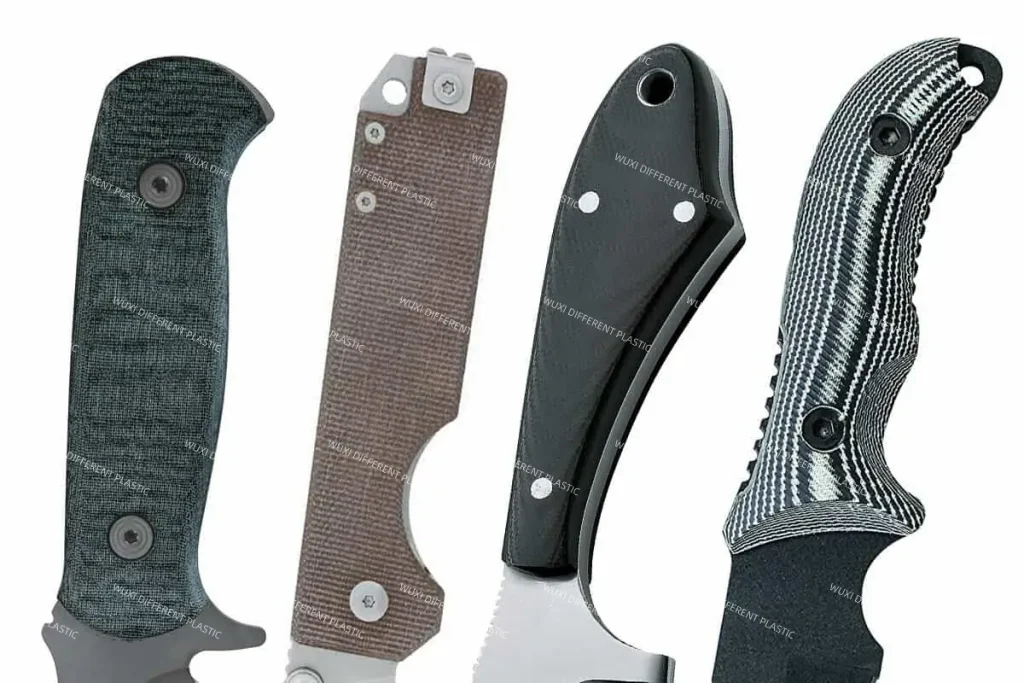
If you are going to have high-performance materials of knife handles, tool grips and outdoor appliances, then few can be compared to G10. G10 is renowned to be strong, durable, and versatile, which made it the number one choice of manufacturers and other enthusiasts.
What then is G10? G10 is at its base a fiberglass reinforced epoxy laminate, made by the layering of fiberglass cloth that has been impregnated in epoxy resin. The resulting high-pressure, high-heat produced layered composite is then compacted by heat and pressure, which forms dense, hard and lightweight material, capable of being shaped, machined and texturized to fit almost any application.
G10 has had a long history starting in the aerospace and electrical areas where it was originally prized due to its insulating properties, strength-weight ratio and ability to withstand environmental stress.
These characteristics found their way to the consumer products over time, mainly into knife handles, gun grips, and tactical gear. G10 has come today to be rated as one of the versatile and best quality materials that can be used in handles and gear.
This paper will discuss the make up, characteristics, strengths, weaknesses and uses of G10. Are you a knife enthusiast, tool collector, or a craftsman? Irrespective of your areas of expertise G10 is something that you ought to learn about in order to appreciate why it still reigns supreme in the world of performance handle materials.
Composition and Manufacturing Process of G10 Handle Material
The power and strength of G10 is due directly to its production methods.
Raw Materials: G10 is made out of fiberglass cloth that is layered and soaked into an epoxy resin. Fiberglass is the source of tensile strength and epoxy holds the layers together in a dense and solid form.
Layering/Resin impregnation: Fiberglass cloth is stacked in layers on top of one another and impregnated with resin. It is the number of layers that determine the thickness of the final G10 sheet.
High Temperature and High Pressure Curing: The material is then layered after which it is cured at a high temperature and pressure. This converts the stack of resin impregnated cloth in to a solid, unified structure that is composed of the composite.
The Resultant Properties: The end result is a strong, rigid and wear resistant laminated composite material. In contrast to natural materials like wood or bone, G10 is the same, stable and predictable material in terms of performance.
This heat treatment enables the manufacturers to create G10 in variations of color, thickness, and finish to provide one of the most versatile handle materials.
Key Physical and Mechanical Properties
The strength of G10 is its combination between physical and mechanical characteristics:
- Strength to Weight Ratio: G10 is stronger in comparison than many metals in relation to the weight, this makes it a significant choice in light and tough handle needs.
- High Impact Resistance: G10 has great impact resistance compared to brittle plastics that crack easily Repairable: G10 can be repaired unlike some plastics that cannot be repaired
- Dimensional Stability: G10 is non-warping, non-swell, non-shrink material.
- Machinability: Though very strong, G10 is easily cut, drilled, ground and polished into varying shapes.
- Stamina Against the Strain: G10 handles cannot be bent, crack, or chip even when hard used.
To manufacturers and end users, these features portray a long-term durable tool and knife that are reliable in an intense setting.
Chemical and Environmental Resistance
Stress resistance to environmental factors is one of the main strengths of G10:
- Water Resistance: G10 can resist water very effectively unlike wood or leather that swell or weaken when in contact with water.
- Resistance to Chemicals: It withstands oils, solvents and common household / industrial chemicals.
- Corrosion-resistant: G10 does not rust or corrode, and is thus perfect in areas of heavy moisture like outdoors or on boats.
- UV and Weather Resistance: G10 is resistant to sun and extreme climate, lasting a long service life outdoors.
This qualifies G10 as an excellent material to use for diving knives, outdoor equipment, and in tactical uses where the environment exposure is unavoidable.
Thermal Properties
G10 is also resistant to thermal stress in spite of its own mechanical and chemical resistance.
- Heat Resistance: The G10 material is able to resist heating without bending or deforming and thus it is stable in heavy duty applications.
- Non-Conductive: This makes it non-conductive and able to resist electricity making it an important factor in electrical engineering and tactical vests.
- Temperature Tolerance: G10 is also stable in high temperatures as well as low temperatures offering flexibility to perform consistently in all locations.
This is unlike other common handle materials like aluminum because G10 is heat resistant as well as insulating.
Surface Textures and Finishes
Being able to customize the textures and finishing is one of the key characteristics of G10:
- Smooth and Polished: These are ideal to use on strategically placed knives or to attain the beauty.
- Aggressive Textures: The processes of CNC milling, sandblasting or bead-blasting can be used to create texture with enhanced grip characteristics.
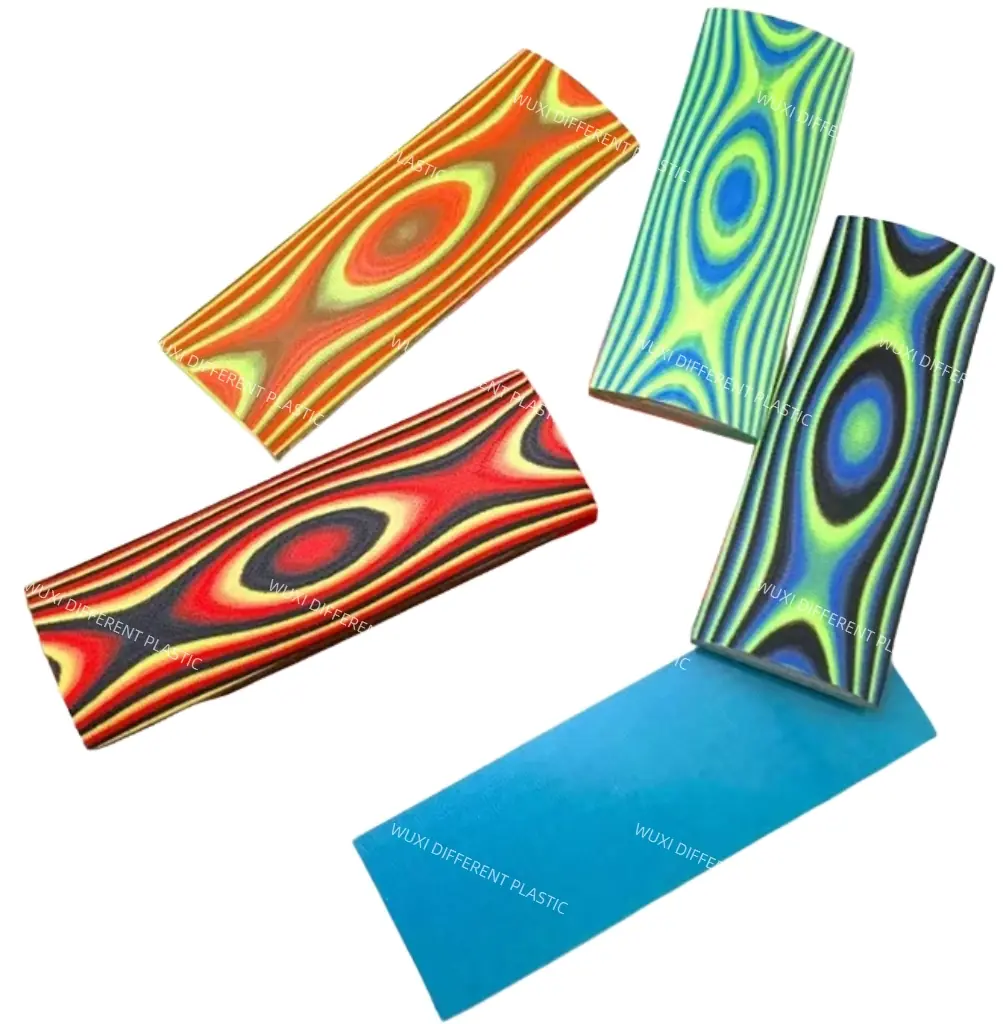
- Stacked colors: Stunning effects are created when the various colored layers are stacked and machined.
- Custom Milling: Knife makers may often mill their knives in order to introduce a distinctive surface pattern to enhance ergonomics and appearance.
This flexibility also makes G10 serve not only useful but also attractive in terms of aesthetics in tactical as well as collectible items.
Color Variations and Aesthetic Appeal
Compared to wood or metal, G10 also has nearly unlimited design variation:
- Solid Colors: The commonest include black, green, orange, blue and tan.
- Layered Laminates: Multiple-colour sheets can be machine-polished to show striped or patterned effects.
- Branding: Manufacturers and custom makers can paint specific colors to identify brand or even other individual preferences.
The diversity guarantees that G10 will be of interest not only to the practical people but also individuals interested in rare designs.
Advantages of G10 for Handles

G10 is popular not by chance as it possesses a whole range of benefits that made it one of the most convenient and multifunctional handle materials in the modern world:
1. Durability:
G10 is very strong and tough. It is impact resistant, and resists scratches and general wear more than the majority of plastics and natural materials. With continual use, a G10 handle retains its durability and looks after years of daily use making it a preferred tool of professionals who depend on their equipment.
2. Lightweight:
G10, although having high strength is much lighter than steel or brass. This loss of weight is especially helpful on instruments, devices or equipment intended to be used longer periods, in which every ounce counts. Lightweight handle permits longer working time and still has the durability to withstand harsh conditions.
3. Low Maintenance:
G10 does not require the same amount of maintenance that its counterparts, wood and leather require like repeated oiling or conditioning respectively. It is not subject to rot, crack, or absorb any moisture making it in a good condition at all times with minimum efforts. Just a hair-wash of soap and water is usually sufficient to keep it in clean condition.
4. Grip Reliability:
G10 does not lose its grip even in the polished smooth or tough textured form. Textured G10 offers a firm hold with no noticeable slippage even in damp oily or sweaty situations always useful to an outdoor adventure group, the military and the first responder. This reliability makes the tool to be safe and efficient to work in unpredictable environments.
5. Affordability:
Premium materials such as carbon fiber or titanium may not be affordable and in most instances, they can be very expensive. G10 does not have quite the same performance in terms of toughness and life but at a much lower cost. It is affordable beside being suitable to both casual and professional users because of this balance of quality and price.
Limitations and Considerations
Although G10 is great, there are trade-offs with it:
- Slippery When Polished: The gloss finish makes it slippery, especially when you are in wet conditions.
- Aesthetical Restrictions: Not all users like the sense of organic cosiness of the wood, nor even the status of metals.
- Aggressive Textures: Though superb in traction, high texturing can be painful overlong periods of use.
- Machining Dust Hazards: G10 is a material hazardous to cut or sand since the resulting dust is harmful and requires protective clothing and system ventilation.
These are some of the considerations that would not negate its advantages, but are good to understand as it concerns both manufacturers and their end users.
Applications Beyond Knife Handles
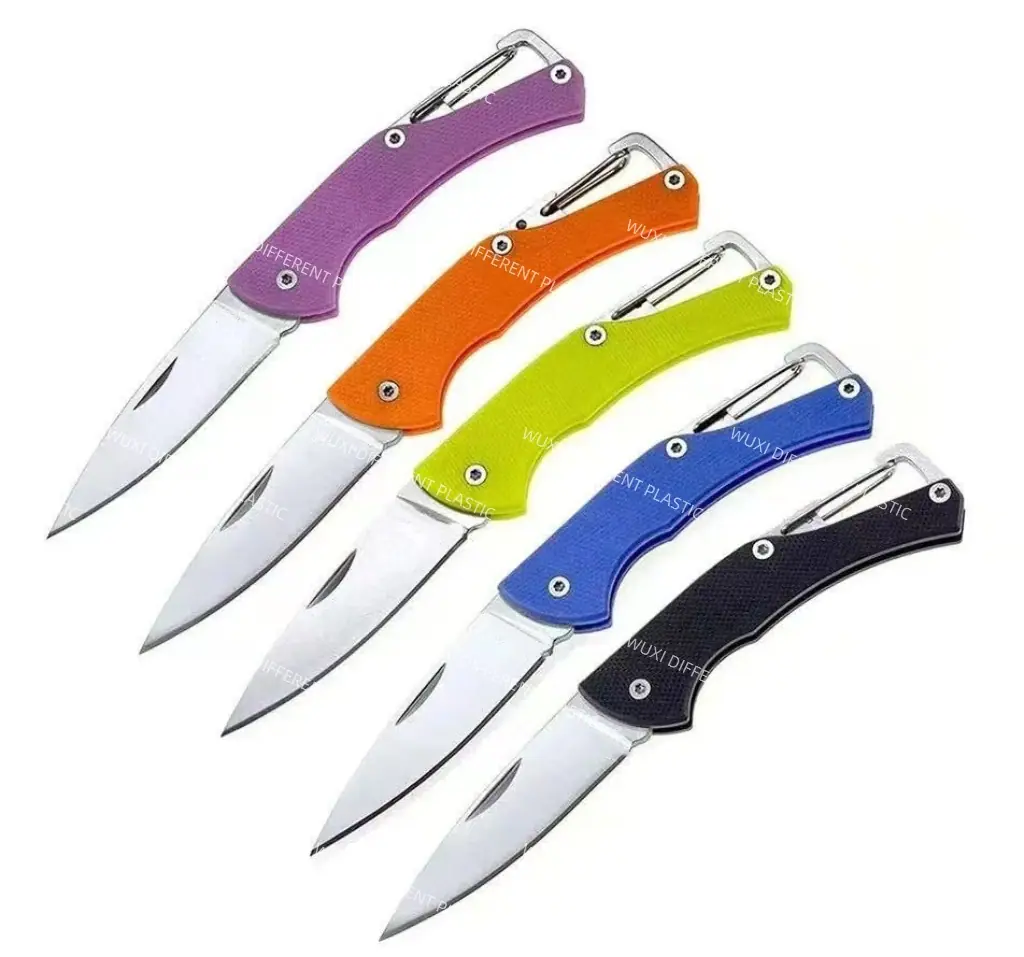
Best known as a material used on the handles of knives, G10 is a widely applicable and multifaceted material that performs well in an astounding variety of contexts:
Tools Handles: G10 is strong and durable and can be ideal in handles of hand tools like screwdrivers, chisels, and hammers. It does not crack when placed under pressure unlike plastic and it also does not splinter like wood. The G10 material is also found to cater to professionals who depend on durability and accuracy since it can withstand frequent rigorous handling.
Firearm Grips: G10 has gained popularity in the firearms industry with its uses as pistol grip and rifle/tactical grip. The material offers good, non-slippery holds under the worst of weather such as rain, sweat or mud. It can be textured in an infinite number of ways to allow manufacturers to create grips that meet ergonomic needs, recoil management needs, and style requirements.
Outdoor gear: Flashlights, survival tools, knees, tactical gear: all require an ability to be both lightweight and tough, making G10 very common. Hikers, campers and military troops like the fact that G10 gear can work in harsh environments without corroding or wearing out before their time.
Marine and Diving: G10 can withstand anything in the saltwater depths with its absolute resistance to corrosion. It is best suited to dive knives, water instruments and marine applications where performance would be required in hazardous to expensive locations
Industrial Uses: G10 is also used in industries besides consumer gear. It finds applications in control levers, electrical insulation panels, etc. due to the fact it is non-conductive and dimensionally stable. In the factories and power plants, where mechanical strength must be combined with electrical safety, G10’s properties are unsurpassed.
G10 vs. Other Handle Materials
The side-by-side comparison would help to understand the position of G10 among other popular handle materials, as each of them has its advantages and drawbacks depending on priorities of the user:
G10 vs. Micarta:
Micarta is a composite material, similar to G10 except that it uses linen, canvas or paper layers saturated with resin material. This makes it a special soft and warm feel and organic texture liked by many users. Micarta can attain a matte patina with age which makes it more attractive.
It is however more porous and as such can absorb moisture and oils thus extra care is required. On the other hand, G10 is more rigid, stronger and tougher and is resistant to water and chemicals in comparison to G10. G10 is usually the minotaur of choice of someone who cares more about ruggedness and minimal maintenance.
G10 vs. Carbon Fiber:
Carbon fiber is strongly appreciated because it is both light weighted and strong, has a premium and sleek appearance. It is lighter than G10 and many would consider it a soft upgrade to knives and tools. However, it is very expensive and more brittle, i. As such it can chip or break against sudden impact.
Compared to carbon fiber, G10 is a little heavier, but it is stronger, and more resistant to impact. This increases its suitability in hard use tools. G10 is more economical, where ease of performance is more important than the prestige of the headset.
G10 vs. Wood
Wood is a classic handle material that has been used over many centuries due to its beauty of natural grain and the warmth and crafted look of wood. Exotic hardwoods have the potential to encourage a significant aesthetic, as well as collectable value to a knife or tool. Nevertheless, wood must be regularly maintained all the time- it could swell or shrink depending on changes in moisture and temperature.
G10 in comparison is dimensionally stable, warp-free, and also resistant to rot, and insects. It might not have the feel or tradition of wood, G10 is much more consistent and reliable, particularly where conditions are more er onerous.
G10 vs. Aluminum:
Another common option is aluminum particularly when the knife and gear are of tactical type. It has a high-end appearance and durable strength, and anodized aluminum can be painted in a selection of colors.
But aluminum transfers heat and cold very well and in extreme weather, extreme weather conditions that may not be comfortable. It may also turn to be slippery unless it is texturally sound The synthetic abrasion resistance and grippiness give G10 more comfort and safety during extensive or the rough use.
| Material | Strength & Durability | Maintenance | Weight | Grip & Comfort | Cost | Aesthetic Appeal |
| G10 | Extremely strong, impact-resistant, and long-lasting | Very low – does not absorb moisture or require oiling | Lightweight (slightly heavier than carbon fiber) | Excellent, especially with textured finishes | Affordable – mid-range | Modern, customizable colors and textures |
| Micarta | Strong but less durable than G10 | Moderate – can absorb moisture/oils | Lightweight | Warm, softer feel in hand; develops patina | Similar to G10, sometimes pricier | Classic, natural look |
| Carbon Fiber | Very strong but brittle under impact | Very low | Ultra-lightweight | Smooth, can be slippery | Expensive – premium tier | Sleek, high-tech, premium appearance |
| Wood | Variable – prone to swelling, cracking, and wear | High – requires oiling/sealing | Moderate to heavy depending on species | Warm, traditional feel but less reliable in wet conditions | Ranges from affordable to very expensive (exotics) | Natural, timeless, and unique grain patterns |
| Aluminum | Strong and rigid but can dent/scratch | Very low | Moderate weight | Can feel cold/hot; slippery unless textured | Affordable to mid-range | Premium metallic look, anodized finishes available |
Maintenance and Care Tips
The maintenance of G10 is minimal but there are a couple practices that will help maintain its appearance and functionality:
- Cleaning: Clean with a mild soap water solution and keep away from possible harsh material to dull finish.
- Grip Preservation: Heavy polishing should be avoided when you depend on textured grip.
- Prohibit Abrasives: Do not scrub with the use of steel wool or hard scouring pads.
- Storage: Tools and knives should be kept in a dry place to ensure that they stay in the top condition.
Simple practices make G10 handles resistant to wear and can have a life of decades.
Buying Guide for G10 Handle Products
Some tips to remember when purchasing G10 products are as follows:
- Identification of Quality: True G10 is dense, rigid and lightweight in comparison to plastics.
- So-called factors: The thickness, texture and the reputation of the manufacture matters.
- Celestial Brands: Knife companies such as Spyderco, Benchmade and Cold Steel use the G10 extensively on their knives.
- Pricing: G10 grips are generally mid priced, as compared to carbon fiber they are cheaper and relatively more expensive than the basic plastics.
Become familiar with what to look at, and avoid poor quality imitations and invest in durable items.
Safety Considerations in Machining G10
G10 is a tough material by sensitize manufacturer/hobbyists with caution:
- Dust Hazards: the G10 dust can cause injury when inhaled. The entire protective masks are to be used at all times
- Ventilation: Ventilate properly in a dust extraction system.
- Protective Equipment: Goggles and gloves will avoid irritation of skin and sight.
- Machining: Sharply cut tools help to finish a work well and accurately.
G10 is able to be shaped readily to fit any custom job with suitable safety precautions.
Bottom Line
G10 has proven that it is one of the most effective materials to use in knife and tools handles, as it provides an unmatched union of power, form, and functionality. Since the very beginnings in aeronautical and electrical products, G10 has successfully found home in deployable and outdoor equipment as well.
This is due to its durability, lightweight, chemical resistance, and economic aspects making it the top choice of both professionals and enthusiasts. It may not have the cache of exotic wood or even the luxury of carbon fiber material, but G10 gives you the dependability you need when you need it, whether that is at work or in the wild.
G10 is a handle material that strikes the right trade between the practical, performance, and aesthetic features of a handle material.
𝙁𝙤𝙧 𝙢𝙤𝙧𝙚 𝙞𝙣𝙛𝙤𝙧𝙢𝙖𝙩𝙞𝙤𝙣:
WhatsApp: (+86)18094277239
Email:info@differentplastic.com


