

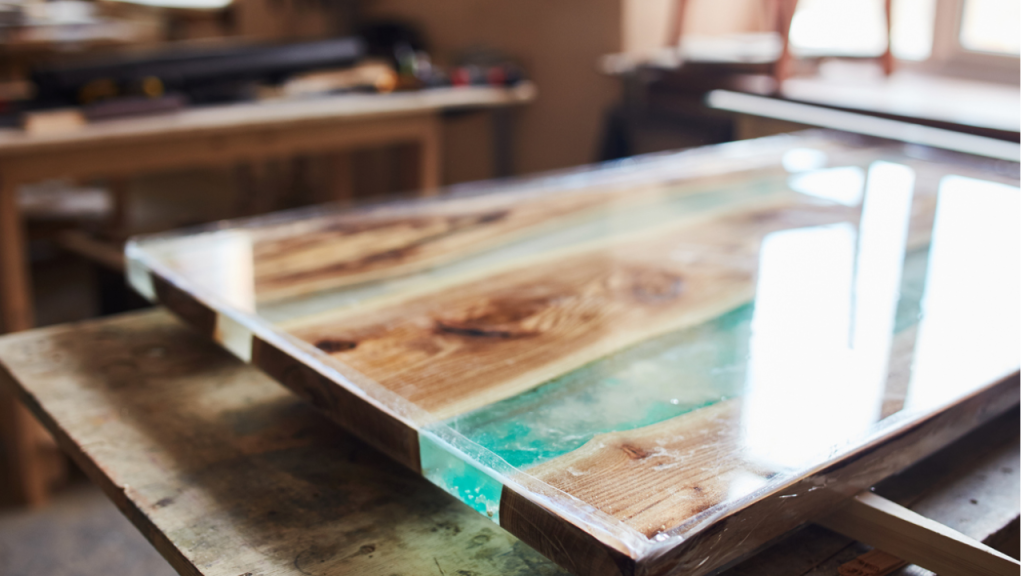
Epoxy fiberglass sheet plays an important role in some industries, such as electronics and automotive. They are made from fiberglass with epoxy resin laminated together; the two components incorporate both strengths.
If you are interested in the upcoming materials for your project, it will be important to grasp the key characteristics of epoxy fiberglass sheets. But before we look at the reasoning for using such sheets, let’s understand them more deeply.
What Is an Epoxy Fiberglass Sheet?
Epoxy fiberglass sheets are superior and created by composite material of the outer layer of fiberglass fabric and epoxy resin. The epoxy resin also plays the role of a binder and, upon curing, forms a rigid and relatively wear-resistant surface.
This mesh adds reinforcement. Fiberglass, characterized by high tensile strength, offers the desirable characteristics of both materials above as a sheet.
These sheets are renowned for the high strength-to-weight ratio connection. Therefore, these are widely used in assignments where overall toughness and low-density value are desirable.
However, they are often impervious to moisture, chemical, and environmental threats and are more reliable when exposed to severe conditions.
Such epoxy fiberglass sheets are ideal for applications that require thermal and electrical insulation in aerospace, auto, and electronics manufacturing. Due to their fire-resistant properties, they are well suited for use in areas subjected to high temperatures.
Epoxy fiberglass sheets are important for forming circuit boards and general electrical constructs that do not require electrical conductivity. They are flexible and can be fabricated into different shapes and kinds depending on the necessary industrial purposes.
Key Features of Epoxy Fiberglass Sheets

1. High Strength-to-Weight Ratio:
Epoxy fiberglass sheets are famous for the habits of a giant strength-to-weight ratio, and this is one feature that makes using them invaluable in many industries where weight is crucial without compromising on strength.
It is especially helpful in the airplane, car, and shipbuilding industries, as lighter structures have the additional advantage of less fuel consumption. At the same time, these sheets possess relatively high mechanical density, which is needed to utilize them for various, often rather severe, purposes.
2. Electrical Insulation:
What’s more, electrical insulation can also be named as the characteristic that can be also crucial for using epoxy fiberglass sheets. The sheets do not let through the electrical currents hence are commonly used in the electrical and electronics business.
They are widely used to produce printed circuit boards, transformers and insulating barriers where electrical insulation is an important factor to avoid short circuits, electrical discharge and safety.
These ascertainments in the subject show that their effectiveness in high voltage applications is significant when safeguarding complicated electronic equipment.
3. Thermal Stability:
These epoxy fiberglass sheets possess good thermal stability; they can easily be used in high-temperature settings without changing shape or losing their mechanical strength.
This resilience makes them suitable for use in applications where heat is likely to be a dominant factor influencing use, such as in industrial equipment, vehicle engines, and aircraft. Their capacity for sustained performance under thermal load guarantees the durability and integrity of the systems to which they are integral.
4. Chemical Resistance:
Epoxies made from epoxy resin and fiberglass exhibit excellent chemical resistance to weak and strong acids, alkalis, and organic solvents. Due to their high chemical resistance, fiberglass epoxy sheets are perfect for use in chemical plants, laboratories, industries, etc.
It assists in providing longer life of the equipment and low rates of maintenance due to their ability to survive under corrosive environments.
5. Moisture Resistance:
Another major strength of epoxy fiberglass sheets is their ability to absorb very low common water, which is disadvantageous if used in high-humidity environments. This moisture shedding assures point-in-time stability in non-uni-directional loading situations so as not to expand or distort and gradually decompose rather than rapidly deteriorate stated performance traits.
It also makes these sheets ideal for use in the outdoor environment, especially for marine purposes and any other place where you will have to work with them when exposed to water.
It also supports the exaggeration of their high levels of integrity in performing their operations, especially under such conditions, which is appropriate across the market segments.
Applications of Epoxy Fiberglass Sheets
1. Electronics:
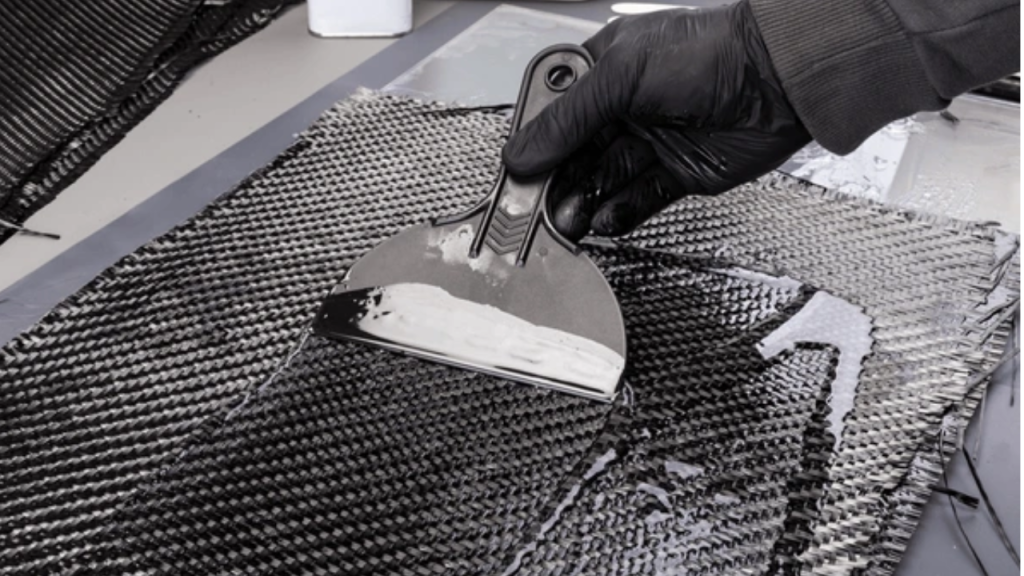
Epoxy fiberglass sheets are widely used in electronics, and PCB manufacturing is a key component of printed circuit boards. These sheets provide a stable insulating surface that protects sensitive electronic components from annoying electric interferences that cause low reliability and sometimes complete failure.
These properties ensure that the circuit does not connect the electric signals, reducing the risks of developing short circuits and increasing the stability of the devices.
Also, due to increased durability, components (devices and other components) are safeguarded from physical abuse at the time of handling or when in use.
2. Automotive:
In automobile fabrication, for instance, epoxy fiberglass sheets are very much sought after in that they deliver excellent performance, which is enhanced by the garments of weight, particularly where there is a desire to cut down the weight of vehicles yet achieve good strength.
This weight reduction helps improve the car’s fuel economy and general performance, making it essential in today’s car manufacturing. These sheets find application in the body line, interiors, and below-the-hood areas where higher strength, heat resistance, and durability are desirable.
This characteristic makes them suitable for applications subjected to high temperatures and chemical attacks, such as the automotive industries.
3. Aerospace:
Epoxy fiberglass sheets are commonly used in aerospace industries because they offer strength but are relatively light, which is valuable in aerospace engineering.
These sheets find their use in producing interior planes of an aircraft and structural panels and any other component where possible weight shave can create more fuel efficiency and sophisticated aerobatics.
They also afford high stress and moderate temperature performance, making them desirable in aerospace applications where safety and toughness are aspects of the materiel material.
4. Industrial Machinery:
A specific series of epoxy fiberglass plates and their hardness, insulating properties, and chemical resistance are applied to industrial machines.
Epoxy powder coatings are also applied to machine enclosures, gears, insulating components, and other mechanical components likely to undergo mechanical, thermal, and chemical stresses.
This enhances the durability of their work under such conditions, increasing the life span of installations used in industries where repair and maintenance are minimal.
5. Marine Applications:
Regarding epoxy, fiberglass sheets are used in the marine industry because of water resistance, which is important in materials that degrade in moist environments.
These sheets are used on boat elements like hulls, decks, and all ship components likely to be affected by water and other harsh marine conditions. They do not swell or corrode and ensure the rigidity of marine vessels’ structures, which would otherwise need constant mending and replacement.
Thus, they are suitable for use, especially in the maritime field’s leisure and navigation business.
Choosing the Right Epoxy Fiberglass Sheet
1. Thickness:
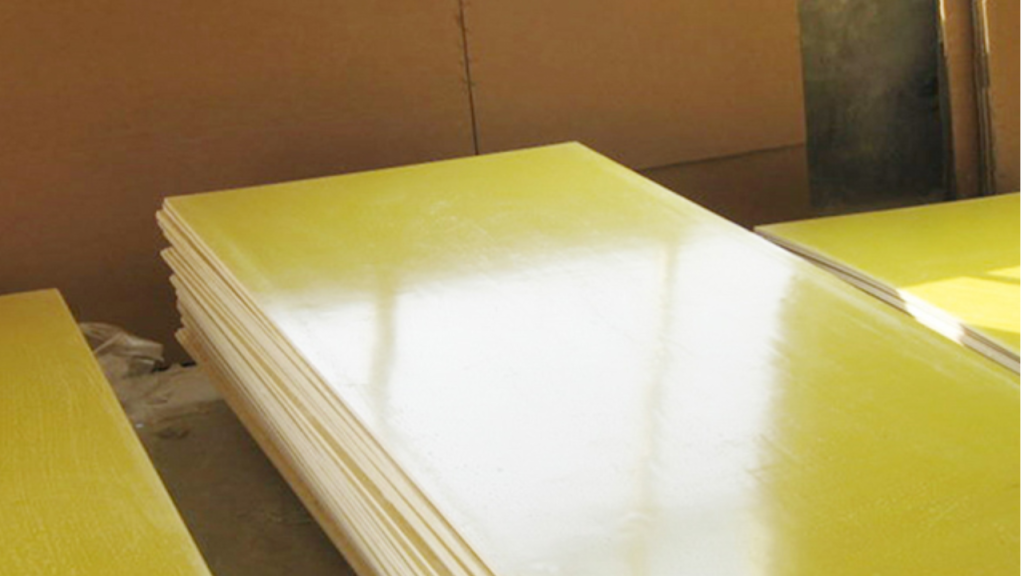
The classification of epoxy fiberglass thickness is important because it is flexible and dependent on the performance of the fiberglass epoxy sheets. The higher-density sheets provide improved strength and dimensional stability, making them suitable for applications requiring a high level of stability, strength, and stiffness.
On the other hand, it is used in applications where flexural strength comes in handy, for instance, where the material has to form a particular shape or contour or where the thickness has to be reduced due to weight consideration.
Depending on the project’s specific requirements, these characteristics must be precisely considered when defining the optimal thickness to provide maximum effective outcomes.
2. Grade:
Epoxy fiberglass sheets are available in different grades, each intended for other use. Such differentiations are possible in their mechanical properties, thermal stability, electrical insulation, and chemical resistance.
For example, some grades are designed for high-temperature service, others for enhanced electrical resistance or resistance to chemicals. Choosing the right grade is very important so the sheet can withstand all the conditions it will be subjected to.
The correct conclusions can be drawn by evaluating the technical requirements of the given grades and comparing them with the characteristics of the project.
3. Manufacturer:
They also differ in quality, and it is most important to address a company that deals with epoxy fiberglass sheets. Many firms that sell premium-quality fabrics source their materials from recognized manufacturers who provide certificates that promise certain performance levels and durability.
Further, how customers rate the products indicates whether the company’s products are standard and durable or not about its reputation in the industry. Choosing a reputable manufacturer also means that you pay for and receive a superior product that meets your requirements and is capable of withstanding the performance conditions of the application areas.
This increases the chances of success in your project and prevents frequent failures or personnel replacement.
How to Work with Epoxy Fiberglass Sheets ?
1. Cutting:
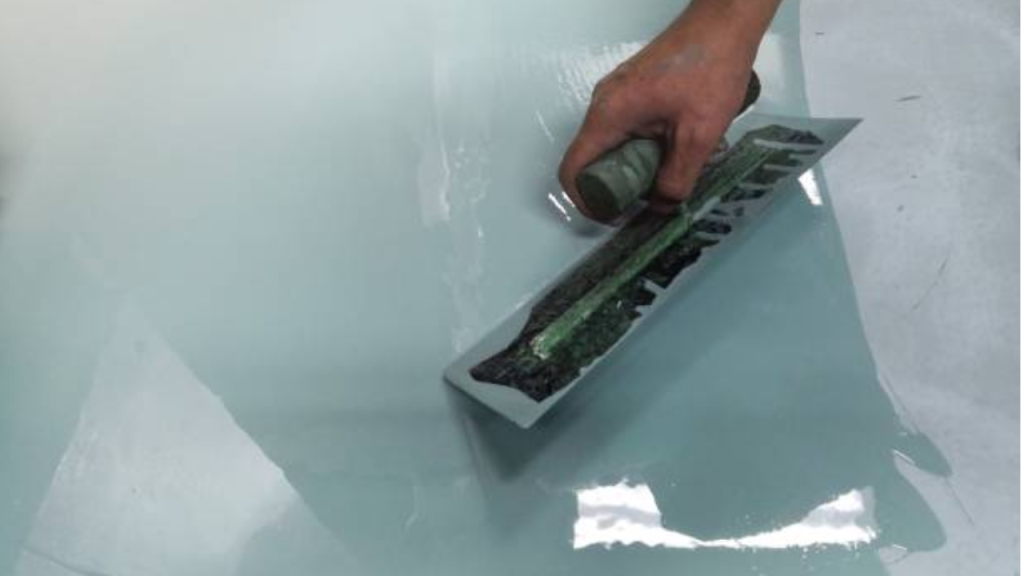
With epoxy fiberglass sheets, a marginal difference is good when cutting to achieve a clean finish with no splinters. However, the sheet must always be fixed down tightly to prevent shifting throughout the cutting process, which can lead to distortion or a shaky cut section.
This way of working and cutting will be more productive in obtaining accurate and clean cuts with and/or without damaging the materials or endangering the lives of workers operating the machines.
2. Drilling:
Powder-coated epoxy fiberglass sheets require careful drilling using high-speed steel drill bits, or carbide-tipped types are more appropriate when working with composite materials—correct rotation speed and pressure. At the same time, drilling is also worn to avoid cracking or delaminating the sheet. Reducing the penetration speed using a low RPM and applying a backing material on the side opposite the side of the hole can also cause blowouts. It is also ideal to use coolant, in this case, water or cutting fluid, to minimize temperatures generated by the drilling process and protect the drill.
3. Sanding:
When working with epoxy fiberglass sheets that have been cut or drilled, it is important to sand the edges and surfaces to smooth out any raised edges. Use fine-grain sandpaper for a smooth surface with no or less splintering.
As sanding produces fiberglass dust, it is advisable to wear mufti, place a mask or respirator on your face, and put on goggles and gloves, as exposure to the dust is dangerous to your well-being.
Additional work can also be done in a spacious area or a system using a dust extractor for further safety.
4. Bonding:
When the sheets are joined by epoxy fiberglass, epoxy resin-compatible adhesives or structural epoxy adhesive ply are recommended. These adhesives provide excellent, high-strength, high-performance bonds resistant to mechanical stress and adverse conditions.
Before applying the adhesive, it is necessary to ensure that the surfaces to be bonded are free from dust, grease, and any other contaminants that may hinder good bonding between two surfaces.
As the manufacturer states, cure conditions and all other necessary information must be followed accurately at the customer’s request. To further improve this procedure, it is recommended that the sheets be clamped together to ensure a more rigid and standard flow of the epoxy.
Why Choose Epoxy Fiberglass Sheets?
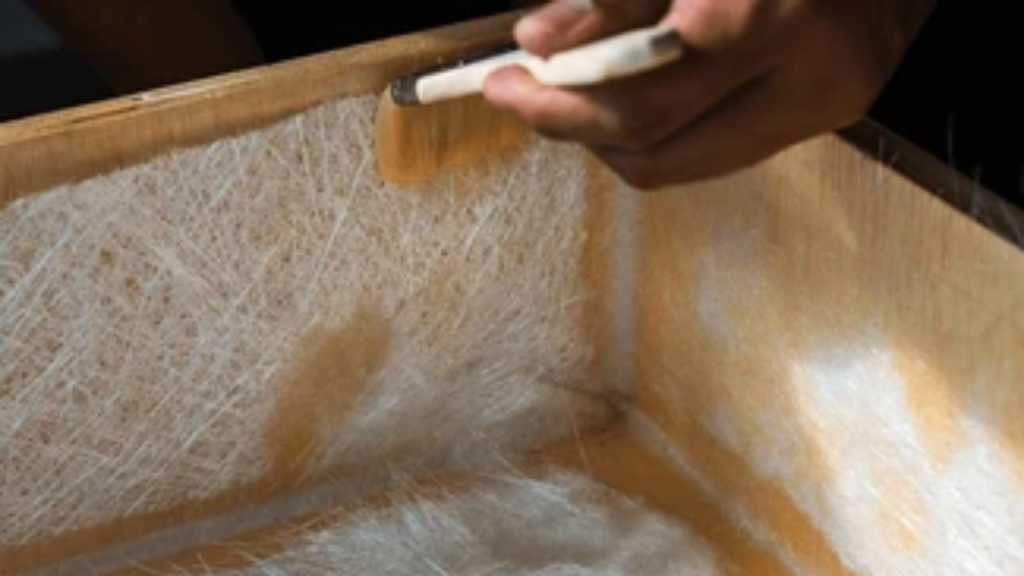
High Strength-to-Weight Ratio: Glass-reinforced epoxy composite sheets possess excellent tensile strength and low density, thus suitable for applications that demand structural strength without excessive weight.
Excellent Electrical Insulation: These sheets have good electrical conduction characteristics and are used in electrical engineering.
Heat Resistance: The epoxy fiberglass sheets are ideal for use under hot conditions because they do not degrade at high temperatures.
Chemical Resistance: They resist several chemicals and solvents to guarantee they would last long in chemical-related surroundings.
Moisture Resistance: These sheets are nonabsorbent; hence, their mechanical and electrical properties are not impaired when exposed to high humidity.
Dimensional Stability: The epoxy fiberglass sheets have stable shapes and dimensions, which preserves them from thermal and pressure stresses.
Ease of Machining: They are easy to punch, cut, and bend, so they are used for special purposes.
Low Thermal Conductivity: They are used where a low thermal conductivity coefficient is desirable, that is, in applications where thermal insulation is needed.
UV Resistance: These sheets have UV stability properties and can thus be effectively used in areas where the product is exposed to direct sunlight.
Cost-Effective: The epoxy fiberglass sheets present moderate performance parameters for most industries and a relatively low purchasing cost.
Why Should One Trust Epoxy Fiberglass Sheets?
1. Better Strength and Sturdiness
Epoxy fiberglass sheets are well known for their correlation between the capability to carry the load and their weight; this makes them suited to applications where fragile but extremely heavy material is wanted.
Each is constructed with finesse. After cross-linking epoxy resin and adding fiberglass parts, these composites can withstand a lot of load and mechanical stress vibration.
They are well suited for aerospace, automobile, and industrial machinery industries where reliability and lightweight are key success factors.
2. Impressive Electrical Insulation
Besides, they possess outstanding characteristics such as high mechanical stresses and good electrical insulating properties. These sheets are highly popular in electronics, especially in manufacturing PCBs, because they shield electronics from electrical tampering, potential harm, and insecurity.
This inability to permit electrical conductivity is handy for areas requiring high electrical safety and no short circuit or electrical failure, making them suitable for areas with complicated electrical systems.
3. Heat and Chemical Resistance
One of the outstanding properties of epoxy fiberglass sheets is their ability to withstand high temperatures. These thermally stable expandable foams allow the materials to be used where heat is a factor, like auto-mobile engine rooms, industrial products, and aerospace.
Also, when epoxy resin is combined with fiberglass, the resultant material is outstandingly resistant to acids, alkalis, and organic solvents.
Achieving such a chemical resistant profile Primates ensures that the sheets do not lose any of their strength or functions even in very chemically concerning conditions making them a high reliable option in manufacturing marine and chemical processing industries.
4. Moisture Resistance for Long-Lasting Performance
Epoxy fiberglass sheets are particularly ideal for setting up where moisture will always be a factor. Its water repellent nature reduces swelling, warping or degradation and they are able to perform optimally throughout the overall service period.
This stability makes them suitable to underwater use like boat surface and floor and in areas that are usually exposed to moisture. One of its protective features, epoxy fiberglass sheets give durability and keep their strength in those applications which are sensitive to water or humidity.
5. Versatility Across Industries
No matter it is electronics, automobile, aviation, or marine industry, epoxy fiberglass sheets will fulfill the requirements of every segment. They used in both insulation and load bearing capacities as well as in weight saving options in aerospace and automotive industries.
One is able to make the right decision on which epoxy fiberglass sheets to use for his/her project depending on the properties that come with the sheets so as to gain from its unique features for strength, durability and its capacity to perform in specific unique fields.
This characteristic of adjustable design makes them a preferred option for numerous business and production destinations.
Bottom Line
Fiberglass epoxy sheets are a strong and sturdy material within a variety of applications and possess excellent electrical insulating properties, heat, chemical and moisture resistant characteristics.
They are used widely in residential, commercial and industrial applications in electronic, automobile, aerospace, marine and other fields.
Studying their important characteristics and correct operation, you can improve the quality and durability of your products, and achieve high results in commercial and industrial use.


