

Introduction

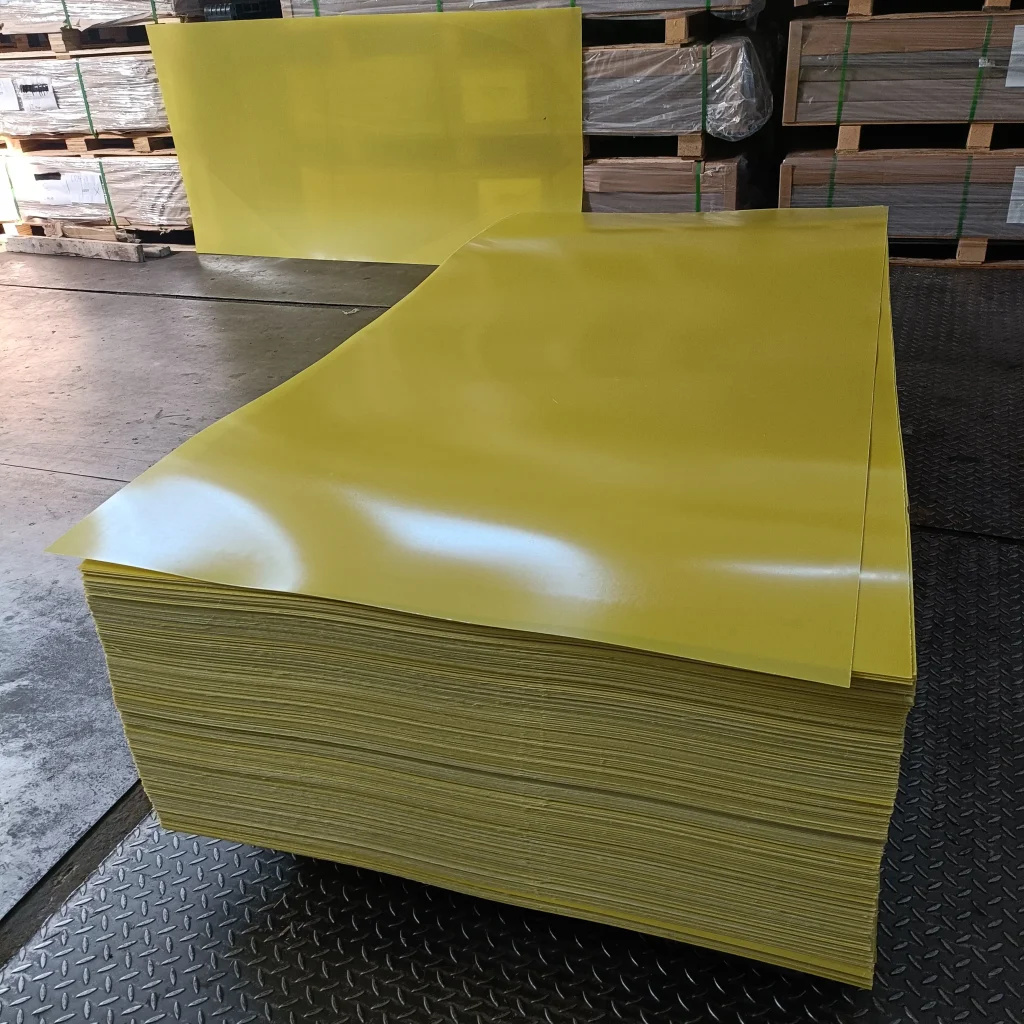
Insulating materials come in different shapes, sizes, and, especially, forms. Some are standalone materials, while others are composites of many materials. One such composite is the 3240 Epoxy resin sheet.
This material has been in use since the mid-20th century. It was introduced as part of the broader class of epoxy resins. Epoxy resins revolutionized many industries by offering superior performance characteristics.
But how does 3240 Epoxy resin compare with other resins? Clearly, there are variations within individual classes of materials. The differences in specifications largely determine the material’s applications.
Epoxy resins also differ in their attributes from other materials. This gives them a unique place in engineering and manufacturing.
This article will not only inform you about 3240 Epoxy resin sheets. It will also provide insight into why these resin sheets are in a class of their own.
We’ll cover the key benefits, applications, and specifications of 3240 Epoxy resin. Furthermore, we’ve made sure to include guidelines. These will help you choose the right specification for your 3240 sheets. We’ve also included expert tips on proper sourcing.
This article will thoroughly inform you. Hang on!
What Does “3240” Signify in Resin Sheets?
Let’s start with the code “3240.” It’s more than just a model number. It specifies a unique type of resin sheet within the epoxy resin laminate family.
3240 is a national standard number. It corresponds to the EPGC201 type under IEC 60893-3-2. This classification is key to understanding the material’s specific formulation and performance.
The term 3240 refers to a thermoset laminate with a cured epoxy resin system. This system is reinforced by woven glass cloth. This combination gives it high mechanical strength and superior electrical insulation properties. The number itself can be broken down:
The first three digits (324) represent laminates and coiled products.
The second digit (2) indicates an inorganic base laminate.
The third digit (4) signifies a temperature index level of F (155°C).
The final digit (0) denotes the product variety.
3240 vs. FR4 vs. 3021: What’s the Difference?
So, the number gradings in epoxy resin sheets define their characteristics. Both 3240 and 3021 are examples. They share many similarities. However, there are clear-cut differences, as you’ll see shortly.
Firstly, 3240 epoxy resin sheets have superior electrical insulation and mechanical strength. They also usually have a smooth surface with no air bubbles or wrinkles. This is desirable as it ensures high performance in the long run.
Sometimes, though, small imperfections like scratches or stains are acceptable. However, you must ascertain that it doesn’t impair the functionality of the sheet.
So, 3240 is ideal for electrical and mechanical systems that require a high performance. Its dielectric and arc resistance properties make that possible. Also, 3240 restrains surface leakage. All these contribute to its effectiveness.
On the other hand, 3021 epoxy resins have better performance and dielectric strength. Its performance in high-frequency appliances is worthy of note. 3021 epoxy resin sheets are ideal for applications like printed circuit boards (PCBs).
In addition to 3240 and 3021, another popular material in the epoxy resin sheet category is FR4. Both 3240 and FR4 share many similarities. In fact, some manufacturers use both terms interchangeably. However, they are not the same.
FR4 is more widely used in the electronics industry due to its flame retardant properties. Its most renowned use is in Printed Circuit Boards (PCBs).
Like 3240, FR4 possesses good electrical insulation and mechanical properties. However, FR4 is better suited for low-voltage applications.
3240 and FR4 have similar dielectric strength and mechanical properties. However, 3240 outperforms FR4 in thermal resistance and chemical resistance.
FR4 remains the go-to material for standard electronics. Its cost-effectiveness and suitability for general-purpose use make it so.
| Property | 3240 Epoxy Resin | 3021 Epoxy Resin | FR4 Epoxy Resin |
| Dielectric Strength | High (25 kV/mm) | High (20-25 kV/mm) | Moderate (18-20 kV/mm) |
| Thermal Resistance | Excellent (up to 130°C) | Good (up to 125°C) | Moderate (up to 130°C) |
| Moisture Resistance | High | Moderate | Low |
| Chemical Resistance | Excellent | Good | Moderate |
| Mechanical Strength | High | Moderate | Moderate |
| Applications | Industrial, Aerospace, Automotive | High-frequency electronics | PCBs, Electronics |
Where 3240 Sheets Are Used?
Historically, 3240 sheets were first used for their durability and reliable electrical insulation. Over time, its use expanded significantly. Today, it is found in several industries, as you can find below:
1) Electrical Insulation Boards and Transformer Barriers:
3240 insulating grade material reliably insulates between high-voltage components. This is critical for protecting sensitive electrical systems. The material’s high dielectric strength ensures minimal leakage and maximum safety.
2) Fixture and Mold Backing Plates:
3240 resin sheets also provide strong structural support at the industrial level. They are particularly used in heavy-duty applications. This is because they maintain their shape under pressure, ensuring stability long-term. They are therefore used in molds and fixtures and can resist wear and tear.
3) Aerospace, Automotive, and PCB Tooling Industries:
3240 material is essential in industries such as the aerospace industry. They can withstand harsh environmental conditions characteristic of this industry.
So, they are used in making interior panels and radomes. Additionally, they play a vital role in automotive power electronics and sensor housings.
How 3240 Epoxy Sheet Performs in Harsh Environments?

Not all appliances run under the same conditions. Some are built to resist harsh weather, moisture, humidity, and so on. Generally, the working environment often determines which material is used. This is the same for 3240 epoxy sheets. Let’s see how it performs under certain conditions.
1) Heat cycling
One thing about Epoxy sheets in general is their superior heat stability. This quality is even enhanced in 3240 resin sheets.
But that is not the most important feature here. Some materials have good thermal stability.
But their performance can dwindle over time with variations in hot and cold temperatures. 3240 sheets maintain their mechanical and electrical properties even under extreme thermal cycling.
2) Chemical exposure
Materials that can withstand corrosive chemicals come with a big advantage. Their resistance to oils and various chemicals makes them useful where corrosion is likely. 3240 resin sheets are a perfect example of this.
3) Humidity and moisture
Similar to chemical stability, 3240 resins can withstand humidity and moisture. This makes them useful in appliances with possible exposure to water. For example, outdoor appliances, navy equipment, and so on.
In these conditions, some other materials degrade. However, 3240 material maintains its electrical and mechanical properties.
4) Vibration and impact
Prolonged exposure to vibration forces has a deleterious effect. They can cause materials to crack or lose their structural integrity over time.
Similarly, impact forces can lead to sudden deformation or failure. 3240 resin sheets are highly resistant to both vibration and impact. They maintain their mechanical strength and ensure durability in demanding environments.
5) Arc and tracking resistance
Electrical arcing and tracking can cause serious damage to materials. Prolonged exposure to electrical arcs can lead to degradation, fires, system failures, and so on.
3240 resins are able to resist both arc and tracking. Therefore, they can maintain their integrity under high voltage.
Their superior resistance enhances safety and reliability. This makes 3240 sheets preferred where electrical isolation and long-term performance are desired.
Key Benefits of 3240 Epoxy Resin Sheet for Industrial Buyers
3240 Epoxy resin is a popular choice for industrial buyers. It has many reasons for its widespread use.
Its combination of properties makes it ideal for demanding applications. Below are the key benefits that make 3240 Epoxy resin sheets preferred in industry:
1) Long-term Durability and Wear Resistance
One of the standout features of 3240 Epoxy resin sheets is durability. These materials are highly resistant to wear and tear. They maintain their integrity, even in demanding environments.
Whether exposed to mechanical stress, abrasion, or prolonged usage, they perform well. This makes them valuable for machinery and transportation systems. Their ability to endure harsh conditions reduces replacement needs. This offers significant cost savings over time.
2) Flame Retardancy and Arc Resistance
Many formulations of 3240 meet UL 94 V-0 standards. This rating indicates a superior flame resistance. This is essential in electrical systems where fire hazards are expected to be at a bare minimum.
Another feature is the arc resistance. Together, these properties 3240 preferred in high-voltage and fire-sensitive applications.
The material prevents ignition under heat or electrical arcs. Therefore, they are suitable for electrical insulation and transformer barriers.
Also, their ability to withstand electrical arcing gives extra safety. Industries like aerospace and electronics use them to prevent failures.
3) Dimensional Stability Under Stress
Typically, insulating materials are exposed to fluctuations in temperature and mechanical stress. However, 3240 sheets have exceptional dimensional stability. They maintain their shape and size in these varying conditions.
This property is crucial where precision is key, like in circuit boards. The low coefficient of thermal expansion prevents warping.
These benefits make 3240 Epoxy resin sheets an excellent investment. They ensure consistent performance and long-term reliability in critical applications.
How to Choose the Right Thickness and Size of 3240?
The quality of a material is not the only thing that matters when choosing. In fact, the same material can vary in certain parameters without being substandard.
For instance, physical dimensions can be customized to fit a specific appliance or need.
Whichever the case may be, choosing the right thickness and size can be tricky. But we’ve compiled some recommendations to guide you below.
1) Match thickness to mechanical load
The first thing to consider is the mechanical load to which the material will be subjected. Expectedly, thicker sheets are stronger and can withstand higher loads.
Thinner sheets may have the advantage of being lighter and flexible. But it is often at the expense of mechanical strength. So, if the material is subjected to heavy pressure or stress, a thicker sheet is recommended.
2) Account for Machining and Cutting
How easily can I macline or cut the sheet? This question is very pertinent when choosing your sheet. Most times, thicker sheets need advanced tools to enable precise cutting. This can also increase your cost of production.
Thinner sheets are generally easier to work with. You can easily cut out intricate shapes when needed. However, they may compromise mechanical strength and insulation properties.
3) Standard vs. Custom Sizes
Also, determine if you need standard or custom sizes. Custom sizes are tailored to specific applications but come with higher costs.
Standard sizes are readily available and generally cost less than custom orders. Bulk ordering is also easier with standard sizes.
4) Evaluate Sheet Flatness and Warpage Tolerance
Your material’s flatness is crucial, especially when handling precision applications. Imperfections can cause varying degrees of misalignment.
Therefore, start by evaluating the tolerance for warping and swelling. Then, ensure the material’s flatness fits your design specifications.
Why Most Buyers Choose Chinese Manufacturers for 3240 Epoxy Resin Sheet?
For a few years now, manufacturers have been trooping fo China for their materials. Thankfully, 3240 epoxy resin is not left out.
The reasons are not far-fetched. Buyers find a variety of options, competitive pricing, a solid supply chain, and so on.
1) Wide Range of Options at Competitive Prices
One major attraction is the variety of options available. Chinese manufacturers offer a broad selection of 3240 epoxy resin sheets.
Buyers can choose from different sizes, thicknesses, and specifications. This variety ensures that businesses can find the perfect match for their needs.
Additionally, these options come at highly competitive prices. Chinese suppliers make sourcing cost-effective, even for large-scale projects. Every manufacturer wants to be profitable without compromising standards or quality. China affords that.
2) Mature Supply Chain and Fast Turnaround
China has a well-established and rich supply chain. This efficient and reliable system ensures quick turnarounds on orders. Manufacturers can easily handle bulk or custom orders.
Also, the abundance of all needed infrastructure is an added advantage here. Buyers can more easily meet project deadlines and maintain smooth production schedules. Thus, China is like a big one-stop shop destination for manufacturers.
3) OEM Customization and Private Labeling
Customization is one of the key factors driving the popularity of Chinese suppliers. Many Chinese manufacturers offer original equipment manufacturer (OEM) customization. This option improves the flexibility to request specific sizes and compositions.
Private labeling services are also available. They help companies brand the product as their own.
4) Experience with Global Compliance
Another advantage is the experience with international regulations. They indicate China’s familiarity with global standards.
Many Chinese manufacturers have UL certifications or ISO compliance. So, you can be sure the materials provided meet the highest quality expectations.
5) Flexible Order Volumes and MOQ
Chinese manufacturers are flexible when it comes to order volumes. They accommodate both small and large quantities, with low Minimum Order Quantities (MOQ). By this, businesses of all sizes can get exactly what they need, without overordering.
FAQs:
1) Is 3240 epoxy sheet flame-retardant?
Yes, 3240 epoxy resin sheets are flame-retardant. Many formulations meet UL 94 V-0 standards. This means they can resist ignition and prevent the spread of fire.
This property makes them essential in high-voltage and fire-sensitive applications. This ensures safety in components like electrical panels and transformers.
2) Can I use 3240 in place of FR4?
Yes, you can use 3240 in place of FR4 in some applications. Both materials provide good electrical insulation. However, 3240 is better suited for applications with higher needs. Particularly, mechanical, chemical, and thermal stability.
FR4, on the other hand, is typically used for printed circuit boards (PCBs). It’s ideal for low-voltage environments and general electronics.
So, if your application demands better performance, 3240 is the better choice. Under high temperatures, chemical exposure, or mechanical stress, it still performs.
For more routine electronics and PCBs, FR4 remains the preferred option. This is due to its lower cost and widespread use.
3) What’s the maximum operating temperature?
The maximum operating temperature for 3240 epoxy resin sheets is about 130°C.
This makes it suitable for many industrial applications, including transformers and automotive parts. Some formulations may handle even higher temperatures. For these, it’s essential to verify the material’s specifications. Always check the product details to ensure it meets your temperature demands.
4) Is it suitable for high-frequency applications?
Yes, 3240 epoxy resin sheets are suitable for high-frequency applications. These sheets experience very low dielectric losses. They are effective in systems that rely on stable signal transmission. So, they are common in telecommunication equipment or high-frequency circuit boards.
Final Thoughts!
Currently, the versatility of 3240 resin material is without question. Many industries rely heavily on it. They include aerospace, automotive, electronics, and industrial machinery.
Central to this is its combination of electrical insulation, mechanical strength, and heat resistance. Besides, they can withstand harsh conditions and maintain dimensional stability. They are also resistant to moisture and chemicals.
As industries continue to innovate, the demand for 3240 epoxy resin sheets will grow. The need for high-voltage, high-temperature, and mechanical stress can only increase. Therefore, more such materials can even be introduced.
Additionally, there is a growing understanding of the properties and capabilities of 3240 sheets. So, they will be crucial for optimizing product performance and reliability.
Therefore, in the coming years, expect 3240 epoxy resin sheets to play even more significant roles. They will help shape the future of engineering, manufacturing, and advanced technology applications.


