
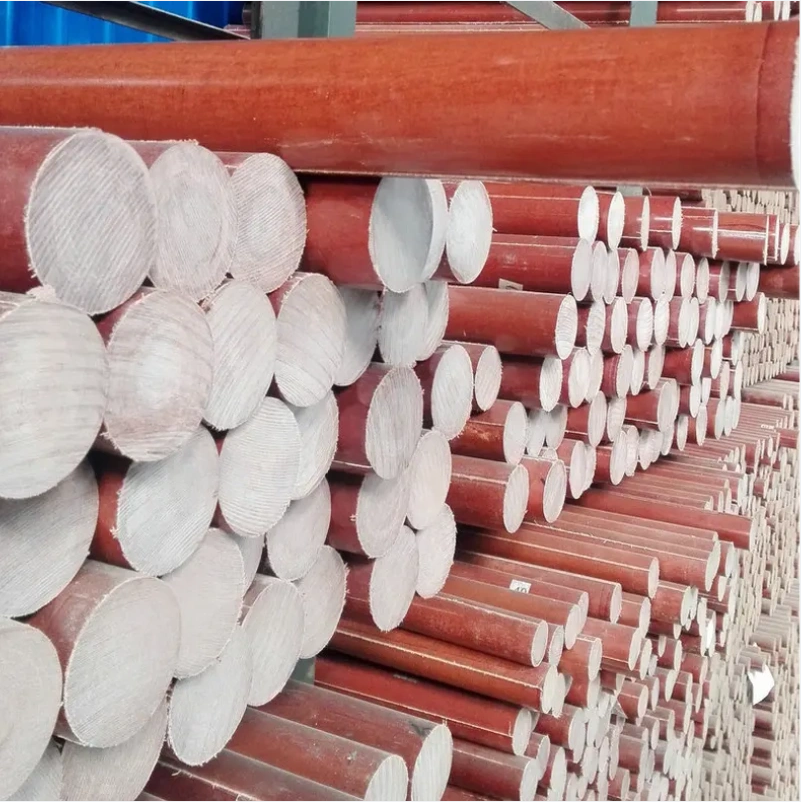
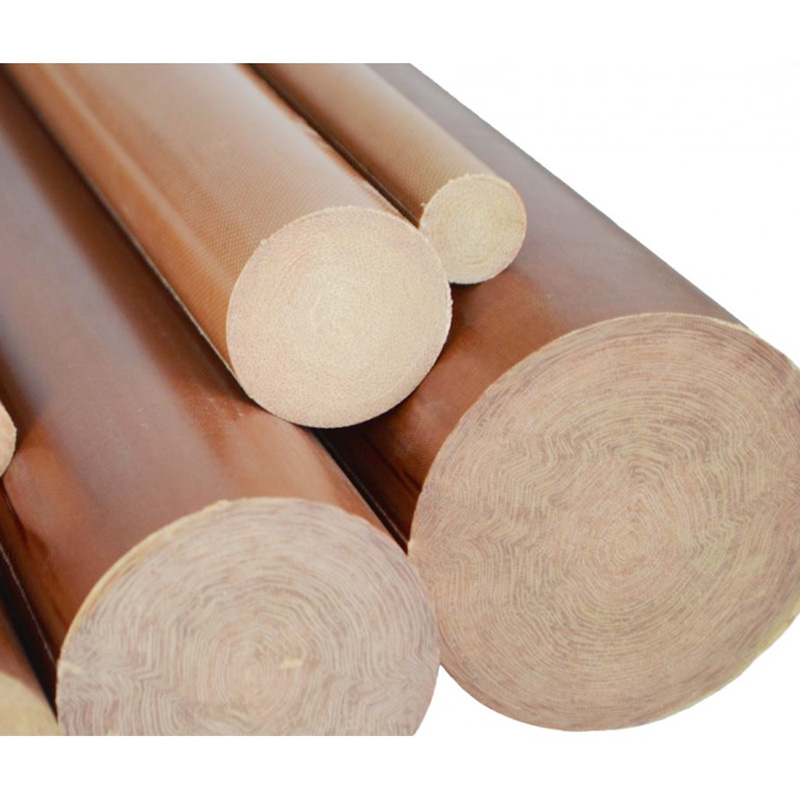
The use of composite components in industrial materials has remarkably improved performance in many different fields. In both aviation and mechanical engineering, composite materials are notable for their blend of toughness, toughness and unique features.
Materials formed by joining several elements with different features outperform each of the individual particles alone. Laminated plastics are a popular choice today because of their dependable mechanical and electrical abilities.
Textolite is one clear example of a high-performing laminated plastic. As a phenolic resin layered with textile fabric, Textolite has been a solid choice for tough industrial settings for a long time. Because it is mechanically steady, easy to machine and durable against heat and chemicals, it is well-regarded by many. This is why it is most useful when traditional steel or ceramics do not offer the needed outcome.
In this article, Textolite rods will be studied closely, with attention given to their ingredients, the process they are made with, their main advantages and the ways they are used across industry.
It will also look at how Textolite compares to other materials, state its main benefits and drawbacks and explain how to use and care for the Textolite rod that is right for your purpose. If you are an engineer, procurement specialist or work in design, Textolite can help you make better informed choices about materials.
What is Textolite?
It is made by bonding phenolic resin on top of a cotton textile mat. Because of this mixture, the result is a hard, tough material that keeps its strength at any temperature or under pressure. A bonded layer of phenolic resin adds strength, while pultruded yarns strengthen and adapt the panel for flexible use.
The idea for Textolite began during the early years of phenolic plastics development in the early 20th century. During that phase, scientists wanted to develop materials that supple, solid and had more resistance to external issues than those made of common metals and ceramics. Textolite made it possible to reap the benefits of standard materials, as it is simpler to shape and weighs less.
With the rising needs of different industries, Textolite’s composition and treatment have changed. Currently, you can buy rod, sheet or tube aluminum and it follows specifications from standards such as ISO and NEMA.
Textolite is unique among laminated materials such as Bakelite and G10. Bakelite, produced with phenolic resin and paper or wood flour, gives good electrical protection but is not as mechanically tough as Textolite.
G10, built from fiberglass-reinforced epoxy, is strong and electrically insulating, but is known to be tougher to machine than other materials. On the other hand, Textolite is good for applications that need it to be easy to machine, tough and shield from electricity.
Manufacturing Process of Textolite Rods
The whole process starts with choosing quality ingredients for Textolite rods. Researchers assess both glass fabrics and woven textiles for their strength at high temperatures, resistance to stretching and how well they can be processed on machines. Its great qualities as a material mean that cotton is the textile of choice for many.
The initial phase is called impregnation and involves sating the cotton with phenolic resin. This makes certain that the fabric fibers are well saturated, giving the material its highest levels of strength and durability. After impregnating each sheet, they are gathered in a stack to build the required thickness.
Lamination refers to putting the layers into a pressurized heat chamber. With these conditions, the resin hardens to unite all the layers and make a firm composite material. The shape of the final product might be molded as sheets, tubes or rods.
Textolite rods are usually shaped using either compression molding or extrusion. You start by laying up the laminate and heating it inside the mold. Once you apply pressure, the resin becomes a solid rod. In extrusion, the material-soaked fabric is driven through a die until it is formed as a polyester rod. Strong, dense rods can be produced with both casting and forging and then made into final components using machining.
Manufacturing processes depend heavily on effective quality control. All batches of Textolite rods are evaluated for density, their strength, electrical behavior and how well they withstand heat. When products are made to NEMA grades and meet ISO certifications, they can handle the tough challenges of industrial settings.
Key Properties and Characteristics
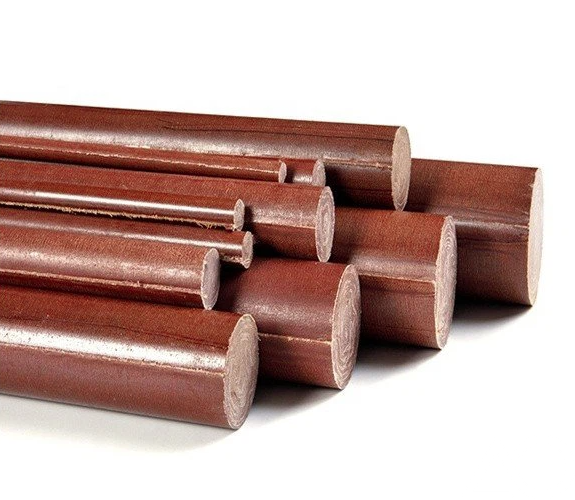
Because of their mechanical, thermal, electrical and chemical benefits, textolite rods can be used where the environment is demanding.
Mechanical Strength: Textolite rods are highly respected for their strong ability to resist shocks and carry weights. Evenly distributed fibers in the composite prevent cracks and potential damage to the material. For this reason, bearing cages and spacers which are used in areas subject to repeated stress, often use them.
Thermal Resistance: One reason Textolite is special is that it does not break down when exposed to heat. Most grades of Textolite can resist temperatures up to 120–150°C, keeping their shape even when many plastics would bend or break. The reason thermographs are so important is that heat is always present in both automotive and aerospace uses.
Electrical Insulation: Combining phenolic resin with a textile base produces a material that has strong dielectric properties. Because textolite rods are not conductive and resist electrical tracking, they are ideal materials for use in electrical and electronic components as insulators, bushings and spacers.
Chemical Resistance: The material, Textolite, is resistant to oils, solvents, fuels and light acids which is important where exposure to these chemicals is frequent. Yet, exposure to such agents can cause these materials to slowly decompose.
Machinability: Textolite can be machined more easily than most high-strength materials. Standard equipment can be used to cut, drill, turn and mill metal, creating parts that meet close specifications. Because it is so easy to work with, metal milling decreases production time and saves money in prototyping and making small batches.
Environmental Stability: Because Textolite does not deform, crack or change size under different humidity and temperature, it is suited for either indoor or semi-outdoor use. Even though it doesn’t have long-lasting UV protection, treatment or coating can improve how it deals with the sun.
Applications of Textolite Rods
Textolite rods can be found in many different applications because of their flexibility.
Electrical and Electronics: Among electrical insular devices, Textolite is used for bushings, spacers, terminals and insulators. The outstanding dielectric quality and consistent size of these materials make them appropriate for use in transformers, switchgear and control panels.
Aerospace and Defense: For aerospace applications, Textolite is useful in making items that must resist vibration, heat and stress. Being light, yet strong, plastic works well for building supports, plastic parts in houses and fittings in homes.
Automotive Industry: In vehicles, Textolite is used in clutch facings, gear spacers and components related to friction. Since it holds up well against heat and pressure, its use in areas prone to frequent friction raises vehicle performance and lifespan.
Mechanical Engineering: In industrial machines and equipment, Textolite rods are used as bearing cage supports, rods for keeping parts in place and in structure spacing. They are reliable under changing conditions and are usually picked for their mix of strength and ease of manufacturing.
Tooling and Fixtures: Textolite rods help to make jigs, templates and guides in manufacturing and fabrication. Because Textolite holds dimensions well, is tough and easy to work with, these components gain advantages from using it.
Case Examples:
- Textolite rods are applied in an electronics plant to build insulating spacers for equipment that handles high voltage.
- In cars, they are added to clutch systems as bushings to contribute to their lightness and lessen wear.
- Custom parts of Textolite are used by aerospace suppliers in vibration-reducing devices within cockpit instrumentation systems.
Advantages Over Other Materials
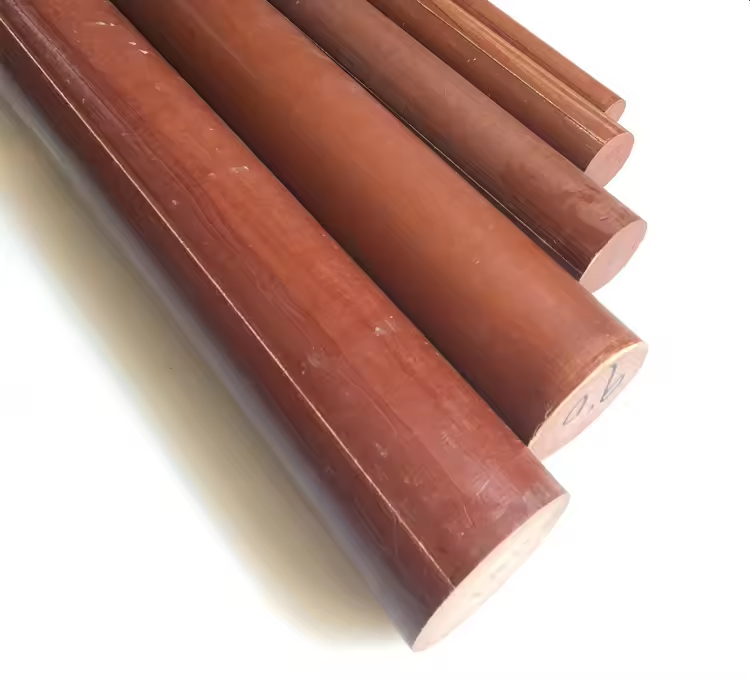
Textolite rods provide more benefits than most common materials such as metals, thermoplastics and ceramics.
Compared to Metal Rods: The lightness of Textolite means it makes assemblies much lighter than if steel or aluminum rods were used. The fact that it does not wear thanks to its chemical and corrosion resistance makes it suitable for humid or harsh chemical areas. Furthermore, not having electricity pass through means it also has useful mechanical capabilities.
Compared to Thermoplastics and Ceramics: Although Thermoplastics sometimes show good resistance to chemicals, most types of them do not have the same strength or temperature tolerance as Textolites. They are great thermal insulators, though they can easily crack when impacted. Unlike other materials, Textolite combines strength, toughness and machine-ability perfectly.
Long-Term Performance: Because Textolite is highly durable, has very low tension over temperature and stays reliable for years, there is less maintenance required and it lasts longer. As a result, companies can keep maintenance costs low and purchase fewer parts, helping in areas where machines operate many times every hour.
Cost Efficiency: Because both performance and price are good, Textolite provides a cost-effective solution for a wide range of uses. It is easy to make with machining which keeps costs down and its strong material lessens the need for repairs and stops in production.
Textolite Rod vs. Alternative Materials
| Property | Textolite Rod | Metal Rod (Aluminum/Steel) | Thermoplastic Rod (Nylon/PTFE) | Ceramic Rod |
| Weight | Lightweight | Medium to Heavy | Lightweight | Medium |
| Mechanical Strength | High | Very High | Moderate | High |
| Thermal Resistance | 120–150°C (continuous) | Up to 400°C | 80–120°C | Up to 1000°C |
| Electrical Insulation | Excellent | Poor | Excellent | Excellent |
| Chemical Resistance | Good (moderate solvents/oils) | Varies by alloy | Very Good | Excellent |
| Machinability | Easy to machine | Moderate to difficult | Easy | Brittle/hard to machine |
| Moisture Absorption | Moderate (needs sealing) | None | Low | None |
| Impact Resistance | Moderate (brittle under shock) | High | High | Poor |
| Recyclability | Not recyclable (thermoset) | Recyclable | Recyclable | Limited |
Limitations and Considerations
Even though Textolite rods have many benefits, it’s important to be aware of their limitations.
Moisture Sensitivity
As a cotton fabric-reinforced phenolic laminate, Textolite is naturally sensitive to moisture absorption due to the nature of the cotton material. If the moisture is always high or direct water is present, it may penetrate the fabric’s tiny structure. As a result, there is an increase in volume, an unstable dielectric strength and problems with dimensions.
It is suggested to surface seal, lacquer or treat with water-repellent resins to reduce these risks—this is particularly important for outdoor or marine areas. Design engineers should take these behavioral points into account as they design for lasting stability and tolerance in humid areas.
Impact Brittleness
Despite having good strength and resistance against wear, Textolite cannot change shape when subjected to sudden loads, so it is a thermoset laminate by definition. Rather, at high levels of stress, especially in colder areas, it is more likely to break or chip along its laminate layers.
This sensitivity to damage may be increased by problems introduced during machining or by persistent fatigue. So, picking the best grade of Textolite, adding rounded edges and avoiding sharp corners inside parts can help stop stress accumulations. you should choose alternately made composites or added supports for situations where strength or shock resistance is needed.
Recyclability
As a result of the cross-linking process during curing, Textolite thermoset resin is solid and does not soften. You cannot reheat and reform Textolite as you can with some forms of plastic, as it cannot be traditional recycled.
Thus, most Textolite components near their service life are handled by directing them to landfills or to be burned which increases environmental issues, mainly in industries governed by laws protecting the environment. Recycling of newer, bio-based or thermoplastic composites is currently more efficient and offers greater options than grinding recyclable products into filler or energy recovery.
Any group seeking to support circular economy principles should design their material strategy with this challenge in mind and examine greener substitutes when focusing on sustainability.
Selecting the Right Textolite Rod
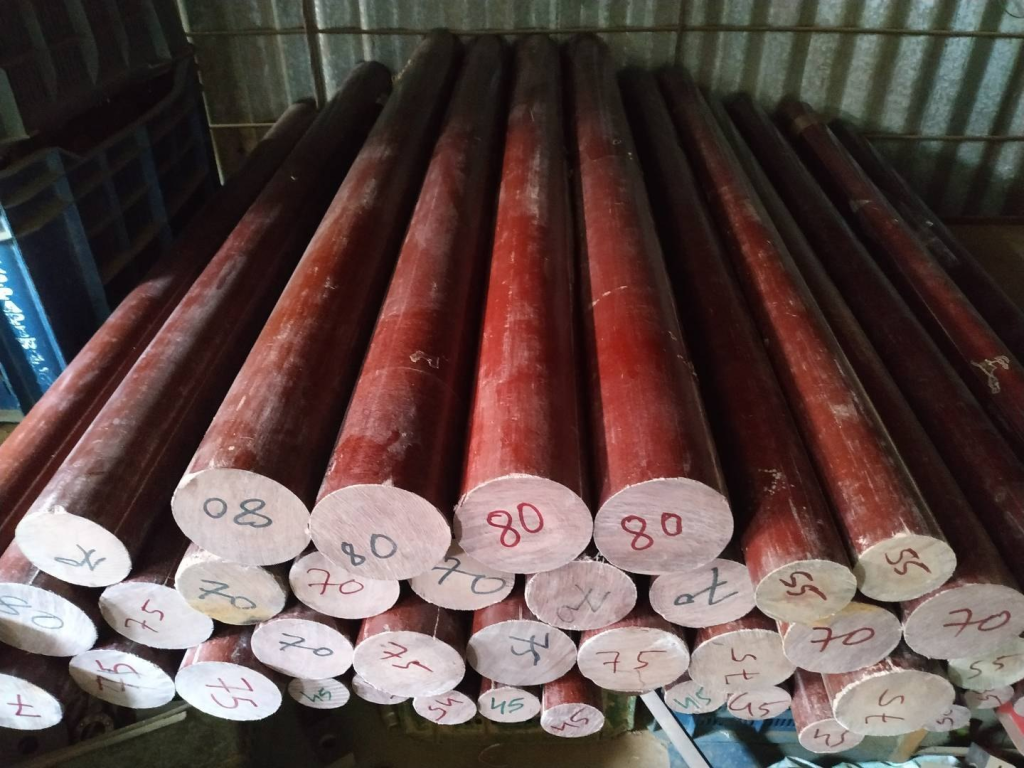
A number of aspects should be considered before choosing the right Textolite rod.
You should consider what stresses will occur to the machinery, the suitable temperature scale and the electrical insulation needed for your application. This will show what grade and dimensions must be used.
Most Textolite is sold in standard sizes, yet special textolite rods can be prepared for private applications. Make sure the supplier you pick is ready to meet your exact tolerances or changes in the design.
Industry Certifications: When buying, look for products with NEMA grades (e.g., C, CE and L) and those meeting ISO standards. The designations verify that the rods reach important standards and are well suited to your needs.
Opt for suppliers who offer guaranteed standards, can account for the use of their products and supply the technical help needed. It helps guarantee similar results every time and fix problems as they happen during the project.
Maintenance and Handling Tips
Keeping Textolite rods safe and usable means they need proper storage, careful handling and regular maintenance. Laminated composites may lose their usefulness if they are treated roughly or work under unsuitable conditions.
Storage Conditions
Keep your Textolite rods in a clean, dry and temperature-managed area. Commonly, produce should be stored between 15°C and 25°C, with the surrounding air moisture at less than 65%. Because of this, water won’t be trapped which keeps pieces from losing size or strength as electric circuit materials.
It’s best not to put the rods in direct sun or near sources of heat or they might gradually wear down or turn brittle due to the light and heat. Place your rods horizontally on racks or in containers to prevent them from bending or warping because of long-term pressure on some areas.
Handling Precautions
Even though Textolite is a strong product, it may chip, crack or come apart if treated roughly. Many injuries can be prevented if you add cushions to the inside of the piano and do not stack rods while placing them on uneven areas.
Be sure to handle your rods gently, because any impact can damage or crack the material used. It’s good to put on gloves to prevent oil or moisture from getting on your hands when repairing.
Cleaning and Inspection
Following routine maintenance greatly increases the life of Textolite rods. Regularly wipe the surface down with gentler things like isopropyl alcohol or mild soapy water, both of which are non-corrosive. Stay away from strong chemicals that could destroy the resin’s state.
Regularly inspect the surface, as you should look for any area that is cracking, separating, is damaged or displays swelling or any change in color. All equipment in high-voltage or mechanical fields needs routine testing to check that their electrical insulation and mechanical condition are maintained.
When these care guidelines are used, Textolite rods can provide reliable and long-lasting performance in almost any difficult industrial setting.
Future of Textolite and Laminated Rods
Changes in composite material science keep pushing Textolite forward.
Developers are now developing hybrid materials with aramid fibers or enhanced phenolic types. They help the properties while tackling imperfections such as reacting to moisture or being able to be recycled.
Electric cars, renewable systems and automation are persuading manufacturers to use lightweight, insulating and durable materials. Being enhanced makes Textolite the logical choice to address these emerging markets.
The use of smart technologies may come soon to Textolite components, so these materials can sense warnings and be monitored in use for critical jobs.
Bottom Line
Textolite rods provide all the qualities of strength, confidence and electrical safety for industrial work. The special abilities of these materials, to be strong and flexible, withstand heat and be easy to machine, make them more attractive than metals, ceramics and thermoplastics.
Detailed knowledge of Textolite’s composition, method of manufacture, plus its pros and cons, allows businesses to choose a material that works better and saves money. Because of continued advancements in material science, Textolite and similar composites are set to become even more important.
If reliability and high performance are key, Textolite rods are still a good and reasonable decision for engineers.


