
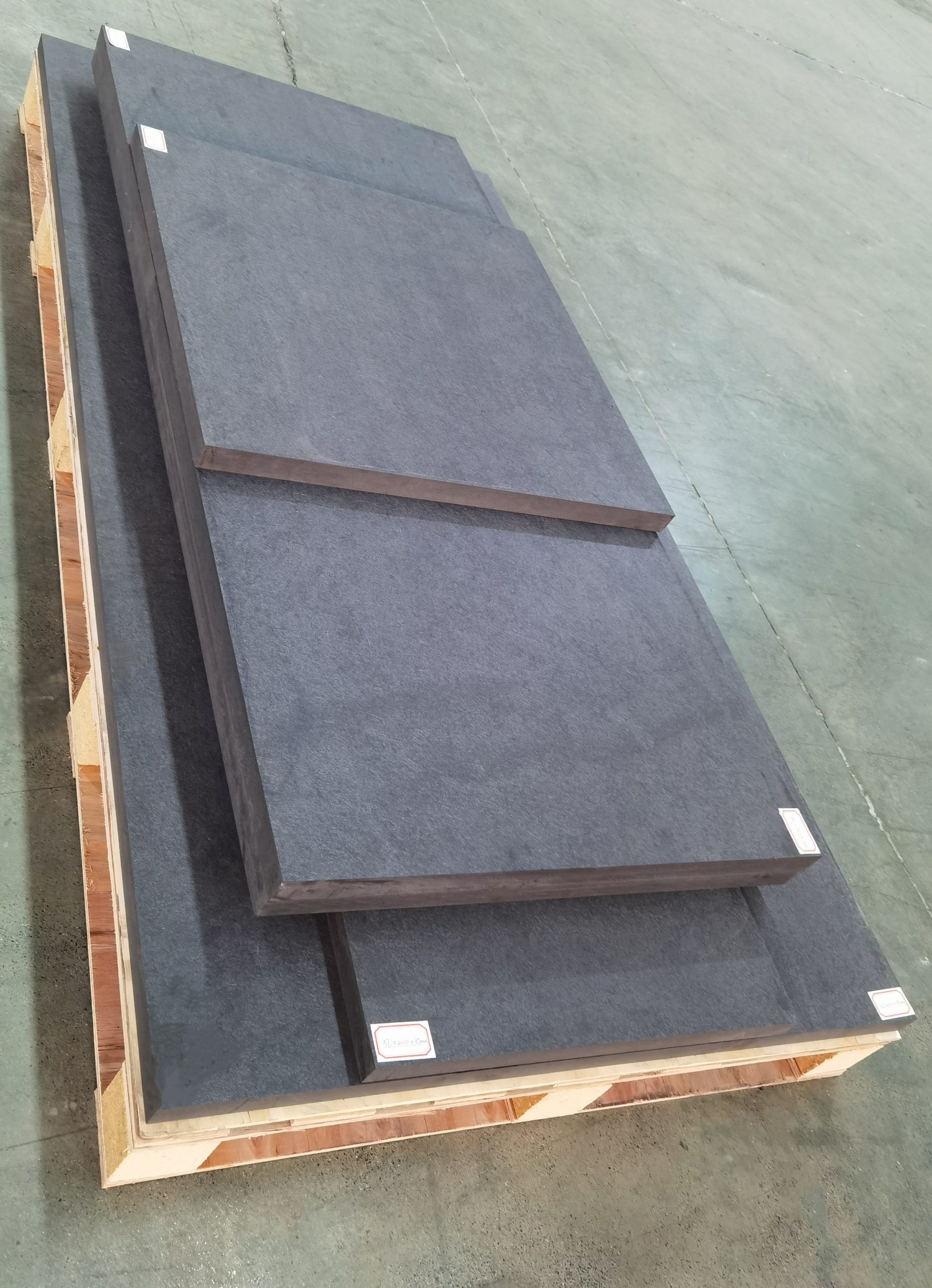
In the ever fast growing industrial arena, high performance materials are no more a luxury; rather they are a must. Of all the options offered, Durostone sheets are a very reliable option, as the sheets have high strength, thermal stability, and electrical insulation. As a composite material specially developed for use in the highest stress environments, Durostone can withstand corrosion, high temperature and mechanical stress.https://www.youtube.com/shorts/HBS8EPkRVZg
Industries that use Durostone sheets involve almost all of them in electronics manufacturing, power generation and automotive assembly. Their properties in combination are well suited for making solder pallets, jigs, fixtures, thermal insulation panels and electrical barriers.
In essence, the heart of Durostone’s utility is the composite structure of a thermosetting resin matrix reinforced with glass fibers. This formulation leads to a rigid and durable, and at the same time, versatile sheet material which bridges the gap between metals, ceramics, and conventional plastics.
The role of Durostone will only increase in modern engineering that is propagating the development of a superspeed, efficiency, and miniaturization frontier. Not only do they support operational reliability but they can also provide extended service life of the critical components in the high heat or chemically aggressive environments.
This article will explain about Durostone composition, manufacturing process, industrial uses, advantages over conventional materials, bringing us to the question of whether this advanced composite will work for engineers and designers in what type of application.
Composition and Properties of Durostone
Reinforced, composite Durostone combines strength of glass fibers and resilience of high performance thermosetting resins. It also has a host of mechanical and thermal properties that no other plastics or metals possess.
Composition
Generally Durostone sheets are composed mainly of:
- Glass fibers: Provide high tensile strength, dimensional stability, and durability.
- Epoxy, polyester, or silicone based depending on the application.
- Fillers and additives: Enhance specific properties such as flame retardancy, UV resistance, or anti-static behavior.
- Layered and bonded with heat and pressure, the materials form non melting, dimensionally stable sheet product.
Comparison with Traditional Materials
Durostone also exceeds in terms of temperature and chemical resistance with plastics. However, insulating and corrosion resistant Durostone outperforms them in terms of build structural capacity. Despite being good at being heat resistant, ceramics are brittle, don’t possess Durostone’s toughness or machinability.
Key Properties
1. High Mechanical Strength
Tension, flexure, and compressive strength of the Durostone are excellent. It is rigid enough to retain its shape under pressure which makes it suited for structural or fixture applications.
2. Temperature Resistance
Some Durostone grades can stand up to temperature over 280°C without deforming or degredatioing. Therefore it is suitable for processes such as soldering in electronics manufacturing.
3. Electrical Insulation
Durostone is a great insulator as its dielectric strength is high and the electrical conductivity is low. It is normally used as a shield or base in electrical assemblies.
4. Chemical Resistance
Resistant to oils, coolants, cleaning agents and strong acids and alkalis Durostone is. This prevents degradation of components and prolongs their life.
5. Flame Retardancy
Industrial fire safety is a critical issue which the UL 94 flame retardancy standards are meant to solve and many grades of Durostone meet this standard.
Taken together, these properties make Durostone a good choice for high stress, high temperature, high precision use. Durostone allows a material that has a balanced profile—more properties without sacrificing others—which makes it both versatile and soft.
Types of Durostone Sheets
There are different formulations of Durostone depending on the specifics of the industrial need. Knowing the differences among them helps engineers pick the best grade for their uses.
1. Durostone CAS
It is one of the most widely used grade in the electronics industry. Durostone CAS features excellent thermal insulation, mechanical strength, and chemical resistance. It is chiefly intended for usage in solder pallets and fixtures going through multiplicity of heating and cooling cycles.
Key features:
- Withstands temperatures above 260°C
- Minimal thermal expansion
- Also compatible with wave or reflow soldering.
2. Durostone CHP
CHP has enhanced anti static properties and improved dimensional stability under high temperature, ideal for high performance soldering process. In non-static sensitive environments, this grade is preferred due to the static discharge preventing damage to sensitive components.
Key features:
- ESD-safe
- Flame retardant
- Tolerates well over hundreds of heating cycles.
3. Durostone CAG
Optimized for abasion resistance and mechanical wear, the CAG variant is characterized. This is used in the fabrication of fixtures, guide rails and parts for slitting, friction or repetitive motion.
Key features:
- High hardness
- Excellent wear resistance
- CNC machinable; designed for load bearing parts
4. Standards and Compliance
Durostone sheets are most conforming to UL 94 V-0 flame retardant standards. Also, most of these variants are RoHS compliant, which means that they are free of dangerous substances according to the EU laws. Therefore, Durostone is a global acceptable material for use in the electronics and automotive sectors.
Because each type offers an engineer different properties, they can mate the sheet material with specific operational demands such as heat resistance, static protection or mechanical strength.
Manufacturing Process
One way of creating Durostone sheets additionally involves advanced composite fabrications aimed at ensuring uniformity strength and durability. The usual procedure often follows this line of business:
Raw Material Preparation
Depending on the need to the mechanical performance, glass fibers are produced in a form of woven fabrics or mats. Epoxy, polyester, or phenolic resin systems are cured when they are mixed with catalysts and additives to initiate polymerization.
Compression Molding or Lamination
The resin system layer is impregnated and layered with the fiber materials. They are stacked to a suitable thickness, placed into a compression pressing press and then compressed along some radial axis until the thickness becomes as desired. The material is molded by application of high pressure and heat for chemical curing to begin.
Lamination can also be carried out, especially for producing layers with reinforced layers. The method is good for achieving precise control of thickness and fiber orientation.
Curing and Finishing
The material is then cured under controlled temperatures after molding. It may be post cured to increase thermal and chemical stability. The Durostone sheet is cured and trimmed and polished to exact dimensions once cured.
Customization Options
Durostone is offered by manufacturers in various colours for coding & safety purpose. Thicknesses are from a few millimeters to many centimeters. According to the client specifications, sheets can be pre cut, CNC machined, drilled or laser etched.
Unlike most urethane elastomers, Thermoset Durostone cannot be reshaped once cured but it is machinable and provides an extremely versatile system for manufacturing with complex design adaptations.
Industrial Applications
Durostone boasts its wonderful material properties that make it an obvious choice for use in most industries. Strength, thermal stability and electrical insulation provide its major value in high performance applications.
1. Electronics Industry
Durostone was one of the first adopters into electronics which used it to manufacture aids and to protect components.
Durostone CAS and CHP grades are put to good use to fabricate solder pallets for wave soldering processes. Once they are placed in flux chemicals, they retain their dimensional stability and do not degrade even after repeated heating cycles.
Durostone is used for SMT line board holders and masks to withstand high reflow oven temperatures without warping or off gassing.
2. Automotive and Aerospace
For modern vehicle and aircraft the required raw materials are lightweight that nevertheless can bear mechanical and thermal stress.
Heat shields and insulation pad between engines, battery system and power electronics, Durostone sheets:
Electrical Isolation: Its non conducting nature makes it an excellent insulator for connectors, motor mount, high voltage module.
3. Power and Energy Sector
Durostone is used in the electrical utility sector for insulating and protecting sensitive equipment.
Durostone makes cut for high voltage applications as spacers, brackets, and insulation panels, and also as transformers and generators.
These dielectric strength and flame resistance makes it suitable for bus bar supports and arc shields.
4. Manufacturing Equipment
Durostone increases factory floor reliability in processes and longevity of equipment.
Mechanical Strength and Machinability: It has a strength for precise tooling for drilling, assembly, and testing stations, and it is also machinable for the same.
Durostone’s abrasion resistance and low friction surface is beneficial to the Guides, wear strips, and chain guides of conveyor components.
Durostone offers universal material solution in the broadest range of applications with its ability to withstand mechanical and thermal loads and its broad chemical resistance.
Advantages Over Alternative Materials
In industries in which these trade offs are sought, Durostone sheets have become the go to solution. In many ways, Durostone is superior to other materials used in industry, and their use can be indispensable for some modern engineering tasks.
Comparison with Other Materials
Phenolic Laminated are good electrical insulators however are more susceptible to absorption of moisture and have poor heat tolerance. In contrast, Durostone experiences no dimensional changes in humid or high temperature environments.
FR4 Epoxy Sheets are common in PCB applications, but in high friction applications or repeated heats; Mechanical strength and thermal resistance are missing from FR4 as well.
Ceramics have very poor ductility and are ex tremely heat tolerant but are brittle and difficult to machine. Its more robust, more impact resistant fabrication is accomplished more easily by Durostone.
Insulation materials: Materials like aluminum or steel possess very high mechanical strength yet they conducts electric current and heat—disqualified for insulation applications. Durostone excels from corrosion resistance and has also winning this.
Lifecycle Cost-Effectiveness
There is an initial cost to Durostone that is slightly higher than that of standard laminates or plastics, but it’s a more cost effective solution in the long run because it will stretch that length while saving on maintenance costs. It can stand hundreds of thermal use cycles and chemical exposures without degrading and the downtime and replacement costs are minimized.
Environmental Resilience
Durostone has proven to be reliable in chemically aggressive/embedded fluid environments where solvents, acids or alkalis may be present. In addition, it also has a low moisture absorption making it less prone to swelling, warping or degradation, which is crucial in the outdoor or high moisture places.
Design Flexibility
Durostone is machinable and customizable in terms of thickness, color, and format, and because of that, it allows designers to fulfill very specific project needs. With high precision, custom shapes, slots, and cutouts can also be fabricated to be able to integrate into automated systems, circuit boards, or machinery.
When combined, these advantages speak to the reasons why Durostone is frequently selected where a combination of durability, precision and safety are called for.
Challenges and Limitations
Durostone certainly is a strong and complete material, but in the end it lacks a little in weaknesses. The engineers and the procurement specialists evaluating material options have to understand these challenges.
1. Weight Considerations
Durostone is quite dense, compared with lightweight plastics or foams. However, if weight reduction is a key consideration — for instance, in applications such as aerospace and mobile devices — Durostone would not necessarily be the most suitable material unless its superior performance is justified by the additional weight.
2. Specialized Machining Requirements
Durostone is, however, macheinable, however, special tools and methods must be employed for clean cuts and tight tolerances. To avoid delamination and the wear of a tool, it is often necessary to have very high speed carbide tools and dust extraction systems. It is more complicated to fabricate and might add to production lead times.
3. Cost of High-Performance Grades
Some cost higher material and higher production costs that add ESD protection or enhanced flame retardancy. The upfront expense may be a deterrent for budget sensitive projects, although there may be savings over the project’s lifecycle.
4. Limited Awareness and Adoption
Because of its benefits, Durostone is underutilised in some industries by the lack of awareness or reluctance of the use of composites in place of traditional materials. Although education and successful case studies are bridging this gap, adoption is still finding its inertia.
By acknowledging and addressing these challenges, Durostone integration planning can be anticipated and problems of implementation avoided or minimized.
Sustainability and Environmental Considerations
Now that industries are looking for more sustainable solutions, the tensility of Durostone is being reevaluated for its ecological footprint.
Recyclability
Thermoset composite such as Durostone cannot be reformed as thermoplastic polymer. Nevertheless, it is mechanically recyclable, which implies it can be ground and reused as wrapper material in construction or insulation. Moreover, it keeps replacing less frequently, which reduces indirectly the amount of material waste.
Emissions During Production
However, Durostone’s resin curing does emit some volatile organic compounds (VOCs). In contrast, modern production facilities employ closed loop systems and air filtration reducing environmental impact as much as possible. In addition, ISO 14001 certified environmental management systems are adopted by many manufacturers.
Compliance with Green Standards
Major environmental and safety standards and grades of Durostone are often qualifying according to:
- RoHS (Restriction of Hazardous Substances)
- Registration, Evaluation, Authorization and Restriction of Chemical (REACH)
- UL 94 V-0 for flame retardancy
With these certifications we can assure that Durostone is hazardous free material and eco conscious material and in keeping with global movements to reduce hazardous materials in all markets.
While not biodegradable themselves, Durostone’s long term life expectency, low emissions and regulatory compliance means it is a responsible material choice for designers.
Future Outlook and Innovations
Because industries need more efficient, lighter, heavier materials, the outlook for Durostone and similar advanced composites is very promising.
Resin Technology Advancements
Thermal conductivity, flame resistance, recyclability, are all topics that are currently being pursued in ongoing research and trying to push the boundaries of resin chemistry. Especially improved environmental benefits could soon be obtained from new bio-based resins without compromising performance.
Nanocomposite Integration
The nano reinforcement of Durostone is now possible by nanotechnology which involves the introduction of nanoparticles (silica or carbon nanotubes) into the resin matrix. Improved strength of the mechanical, flame retardancy and UV degradation is achieved.
Emerging Applications
Durostone is being used in new ways with the rise of electric vehicles (EVs) and renewable systems.
Where thermal and electrical insulation is critical in battery enclosures
As supporting panels in solar power inverters.
Where durable but insulative material is needed in wind turbine assemblies
With changes to manufacturing, Durostone will continue to be a cornerstone material to be utilized in high performance engineering environments.
Bottom Line
Durostone sheets have been proven to be a first-class solution for those industries that require high strength, stability and safety in the most extreme conditions. Durostone has the properties of high thermal resistance, electrical insulation and chemical durability and performs consistent where traditional materials often fail.
Durostone is versatile enough to be used in the electronics and automotive sectors, as well as in renewable energy and manufacturing. The reason behind it is that it’s able to be precisely machined so that it can be trusted by engineers and compliant to global safety protocols.
Issues to consider are such as specialized tooling and up front cost, however, in the long run.
Durostone will pay itself back in performance and lifespan. As a material for engineers, designers and manufacturers looking to improve the performance of a product while maintaining reliability and safety, Durostone is a material worth trying in your next high performance application.


