
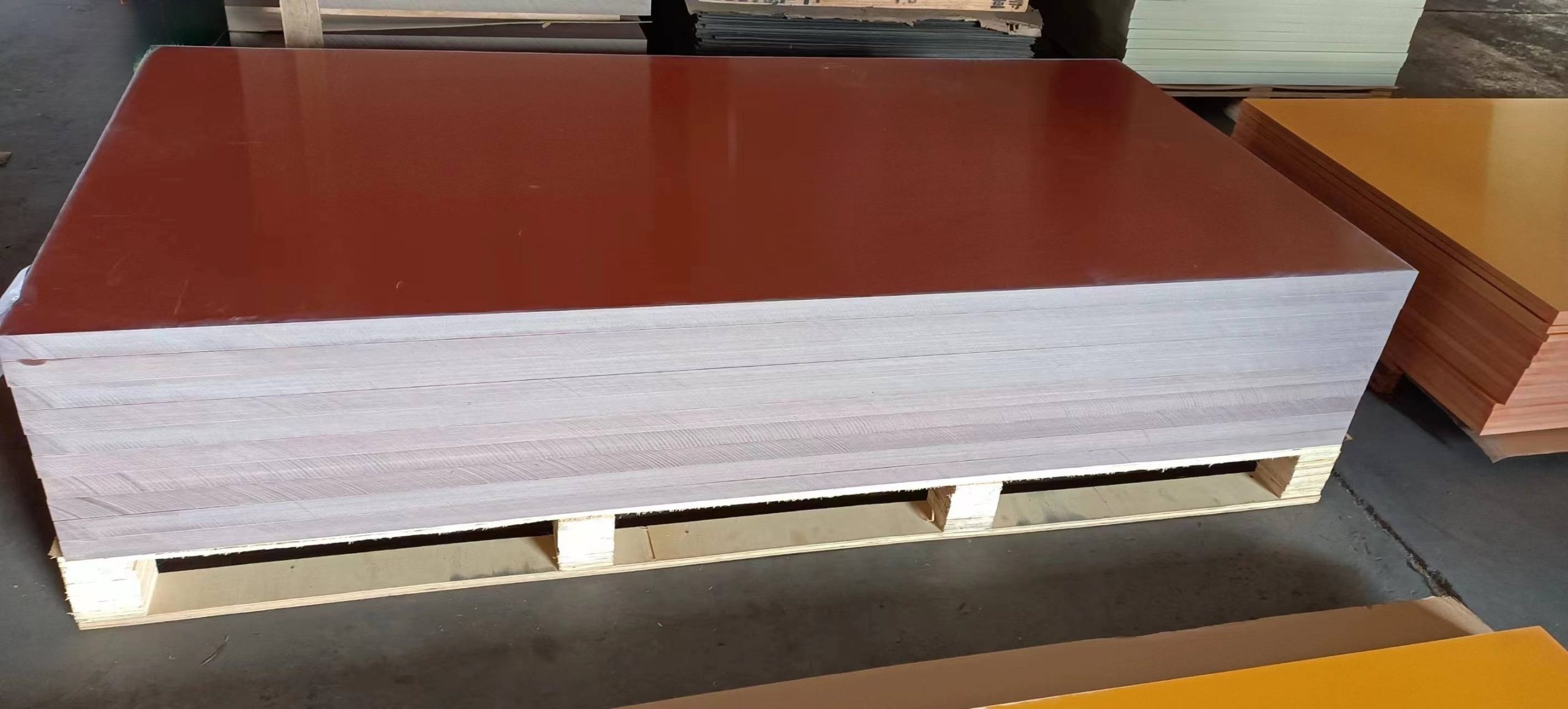
Modern engineering and industry constantly need materials that can provide high strength, strong durability, and high insulation. Useful mechanical, thermal, and electrical properties are accomplished with great efficiency by the Textolite sheets, formed in layers of cotton fabric or paper saturated with phenolic resin and cured under heat and pressure.
Textolite evolved from early synthetic laminates and has become an integral material throughout the electrical, automotive, aerospace and construction, interior design industries. It is very versatile and reliable under extreme conditions and preferred material for switch boards, clutch plates and decorative panels.
However, this article takes a look at the properties and manufacturing, use and advantages, and environmental considerations of Textolite.
What is Textolite?
Textolite is a laminar material formed from impregnating sheets of cotton fabric or, for example, of paper with phenolic resin and subsequently curing under high pressure and temperature. It forms a strong, durable, heat resistant sheet with good electrical insulation and chemical resistance.
Textolite was originally developed in the early part of the 20th century for usage in the electrical insulation and quickly was found to be used in many other industries due to its toughness and versatility.
Due to the heat, it can stand, mechanical stress and corrosion, as well as easy machinability, it is largely applied for making of electrical, automotive, aerospace and industrial devices alongside modern composites.
Manufacturing Process of Textolite Sheets
Textolite sheets are manufactured in a very precise manner that makes them strong, durable and good in working. Typically, the principal raw materials consist of phenolic resin and fabric reinforcement such as cotton cloth. Below are the steps in how it is produced.
Raw Materials
Therefore, raw materials utilized in producing Phenolic Cotton Cloth Laminated Sheets determine the quality and performance of the sheets. All components are chosen very carefully to end product meets industrial standards for durability, electrical insulation and strength.
- Phenolic Resin
The mainly ingredient in Textolite sheets is phenolic resin. The name comes from its manufacturing process where it’s obtained through the reaction of phenol and formaldehyde, and it’s a thermosetting polymer.
This resin due to its negative properties of the high thermal stability, excellent electrical insulating properties, aqueous, oily and chemical resistance is well known. The finished sheets are made rigid and structurally sound by the addition of the resin.
In addition, under high temperatures, phenolic resins do not deform and are well suited applications such as electrical, automotive and industrial.
- Fabric Reinforcement (Cotton Cloth)
Reinforcement of Textolite sheets is achieved with cotton fabric that give mechanical strength and flexibility. The sheet’s overall toughness and its wear resistance is depending on the weave of the cotton cloth.
The resin is carried by the fabric layers deep into the foam and bonds very tightly. A high quality cotton cloth ensures the finished sheet can withstand heavy mechanical load, wont crack under stress and will perform in its demanding environment.
Strict quality was taken to select both materials for both materials–both selected for both consistency, durability and performance in the final Textolite sheets.
Production Process of Textolite Sheets
Textolite sheets are made using a very important process that needs to be properly controlled to achieve maximum mechanical strength, electrical insulation, as well as durability. The accomplishment of this task is a matter of many exact procedures that determine the final product performance and quality.
Impregnation with Resin
The procedure involves laying up of woven cotton cloth or high quality paper, followed by thorough impregnation with phenolic resin. This step is important as the resin needs to get down into the fabric or paper fiber fibers to achieve uniform bonding.
This step can lead to the weak spots or defects within the finished product where any inconsistency. The impregnated sheets are partly cured (pre-cured) enough for them to be able to be stacked together and pressed without slippage.
High-Pressure and Heat Treatment
After being impregnated, the sheets are carefully placed onto various high layers and are then placed into specialised high pressure hydraulic presses. Like in the other regimes, the phenolic resin undergoes full polymerization and curing under high pressure and elevated temperatures.
It converts the material into a dense, solid laminate that possesses excellent mechanical properties and has a smooth, uniform surface. The high pressure environment assures that the layers there fuse and there are no gaps, voids, etc., thus leading to superior structural and strength.
Curing and Finishing
The laminated sheets are then pressed by a curing stage in order to harden the resin throughout the entire structure. The sheets are cured, trimmed, sanded and finished to surface and dimensional tolerance and aesthetic specification. The obtained surface is smooth and free of defects that can be easily machined into different components.
Different Grades and Classifications
There is no such thing as one size fits all as far as Phenolic Cotton Fabric Laminate Sheets are concerned; different grades of Textolite sheets are engineered in other industries for different industrial needs.
Provided Phenolic Cotton Cloth Laminated Sheets, 3025 mechanical strength, wear resistance, and electrical insulation, widely used in mechanical and electrical applications.
NEMA Grades (C, CE, L, LE):
C and CE grades: Known for their high impact strength and electrical properties.
L grades: Provide lower moisture absorption and better machinability in precision components.
IEC and Chinese Standards: These include the classifications of their Chinese standards such as PFCC201, PFCC202, PFCC203, PFCC204 and Chinese standards of 3025, 3026, 3027 and 3028, each is devised for different applications including electrical isolation and mechanical load bearing components.
Properties and Characteristics of Textolite Sheets
The combination of properties of the Textolite sheet is unique and it is useful while applying on a variety of applications.
1.Textolite sheets are excellent in mechanical strength and durability. Because they are strong to withstand impacts and wear and tear, they are used for heavy duty applications such as gears, wear plates and insulating structural parts.
2.Durability: It has very high temperature resistance without changing structural integrity. This property is essential for the applications in electrical components, automotive parts and aeronautics, because heat resistance is necessary.
3.Electrical Insulation: Textolite has outstanding electrical insulation. Its indispensability in the manufacture of switchboards, transformer parts and insulating panels thus arises from this.
4.Textolite sheets have Chemical Resistance to many chemicals, solvents, oils. It also makes them suitable to use in places in which corrosive environments are common occurrence, such as pumps and industrial machines.
5.Strength: Despite being strong, Textolite sheets are lightweight and easy to machine. Additionally, they can be cut, shaped, drilled and processed into custom components providing flexibility in design and manufacture.
These properties in aggregate make Textolite sheets a first choice material for both industrial as well as decorative application.
Types of Textolite Sheets and Their Uses
There are different types of Textolites sheets available in the market, every type is for a particular use as per the property and the composition of the sheets.
Fabric-Based Textolite Sheets
The phenolic resin impregnated woven cotton cloth, woven on looms, is manufactured in fabric based Textolite sheets. This combination leads to a unique material that combines remarkable mechanical strength, durability and wear and impact resistance. Heavy duty is what these sheets are particularly suited for if parts are under constant stress and friction. Because that makes them very insensitive to shear and resist extreme loads they are ideal for industry.
The common applications include electric motor components such as slot wedges and packers, pump vanes resisting water exposure and mechanical stress, industrial gears, wear strips, insulating pads. These are appealing because they can withstand heavy machining without cracking or delaminating and as such, are used widely in the automotive, electrical and aerospace industries for example.
Decorative and Custom Textolite Sheets
The decorated and special Textolite sheets are used not only for durability but also for visual appearance. There are a variety of colors, finishes and patterns on these sheets, and these sheets can be used by the interior designers, as well as the architects for their interior decoration.
These sheets are made of phenolic resin, with either paper or light fabric reinforcements that combine to make them lightweight, easy to machine, and very versatile.
They are well known in the furniture industry for table tops, counter tops and wall poling, and have both aesthetic appearance and practical function. Also, custom Textolite sheets are also customizable to utilize for different purposes, such as special textures and branding requirements in commercial spaces, combining beauty with functionality.
Applications of Textolite Sheets Across Industries
Due to its versatility and durability, Textolite sheets can be found everywhere in several industries.
1.Textolite sheets are commonly employed in manufacturing electric isolating bolt sleeves, switchboards, insulating panels, transformer parts, etc., mainly used in Electrical and Electronics Industry. These properties make them the material of choice in these applications as their excellent electrical insulation and heat resistance.
2.Textolite sheets are used in auto industry in clutch plates, brake components and structural reinforcements in automotive and aerospace industry. Structural panels, lightweight reinforcements and components which need strength at low weight are some aerospace applications.
3.Textolite sheets are used in the construction and engineering field as protective panel, wear resistant surface and insulation for construction and engineering projects. Pumping, gearing and structural part applications of these materials are also common.
4.Decorative Textolite sheets are applied in the making of laminates, tabletops, countertops and other decorative products. They are durable and aesthetic appellations that make them not only good for commercial and residential spaces.
5.Corrosion Resistant Panels and Lightweight Structural Materials: This is especially applicable for marine and defense applications where it replaces steel and aluminum for corrosion resistant panels and lightweight structural materials. Insulating and structural components for military vehicles and equipment are the defense applications.
Advantages and Limitations of Textolite Sheets
Advantages
- High Mechanical and Thermal Stability:
The Textolite sheets are also well known for structural resilience to extreme stress, heavy load or high temperature. Because of this, they are perfect for that sort of environment in which demanding industrial applications see materials experiencing very high levels of mechanical strain and thermal fluctuations. - Electrical Insulation Properties:
Textolite has the non conduction nature, which is indispensable in electrical and electronic industries. In switchboards, transformers, motors and other devices which require electrical safety, it serves as a reliable insulator. - Resistance to Moisture, Chemicals, and Wear:
Moisture absorbing ability, resistance to corrosive chemicals, and mechanical abrasion are well exhibited by the sheets of Textolite. Due to their durability, there are high chances that these are utilized in harsh environments such as marine applications, heavy machinery and chemical plants where different conditions can strike at any point of time. - Cost-Effective and Long Lifespan:
However, even though Textolite sheets have robust properties, they are significantly cheaper than some modern composites and metals. What lowers the costs for industries and manufacturers overall is their long operational life and a minimum maintenance schedule.
Limitations - Brittle Under Extreme Conditions:
Textolite is typically strong and durable, but we broke them when they got smashed with sudden heavy impact or frozen hard. Its brittleness limits it for use in applications requiring high impact resistance or flexibility under an abrupt stress. - Limited Flexibility Compared to Modern Composites:
Other than carbon fiber composites or certain thermoplastics, the flexibility and adaptability of advanced materials is better. Unlike rigidity and complex structures, Textolite is a rigid thermosetting material whose use is not possible for the uses that come under dynamic loads and require bending or shaping. - Environmental Concerns Regarding Disposal and Recyclability:
An environmental impact of Textolite is one of the major drawbacks. Recycling is difficult since it is a complex composite structure, and it is not biodegradable. Typically it ends up in being disposed either as landfilling or incineration, which are both sources of environmental concern. These issues are still to be addressed by sustainable alternatives and better recycling methods that are still under development.
Comparison of Textolite Sheets with Other Materials
Textolite vs. Bakelite Sheets
Textolite and Bakelite sheets are conductive laminates of phenolic basis under somewhat different structure and application. Woven cotton cloth base on textolite sheets aids in the development of their mechanical strength, flexibility, and the impact resistance. They are excellent choice for heavy duty industrial parts such as gears, pump vanes, motor slot wedges.
While also suitable as durable sheets, the Bakelite sheets are more rigid and brittle, hence better suited for applications requiring dimensional stability without flexibility, for example, switch housings, knobs, and handles. Where mechanical stress and dynamic loads are present, durable Textolite usually wins out over static low stress applications where Bakelite is typical.
Textolite vs. Fiberglass Sheets
The fiberglass sheets are ideal for these strengths in regard to tensile strength, flexibility as well as chemical and moisture resistance. Used commonly in such environments of aerospace and marine industries, which intensively require resilience and adaptability, these are useful elements to use.
However, fiberglass sheets are much more expensive. For applications where very flexibility is not required, especially in general industrial, automotive and electrical applications, Textolite offers a more budget friendly alternative against both Sylgard and Buest with good mechanical strength and thermal resistance.
Although fiberglass gives you all the performance you can request and more, Textolite falls in between performance and costs.
Textolite vs. Epoxy Resin Sheets
Epoxy resin sheets have a high strength, chemical resistance and electrical insulation, as needed in demanding applications like aerospace, advanced electronics and marine. They are, however, more expensive.
Cost effective, but with weaker reliability strength, greater heat resistance and reasonably chemical resistive, Textolite sheets are the choice for applications where ultra high performance is not required.
Textolite is a dependable reliable material with excellent performance relative to epoxy resin sheets in producing everyday industrial and electrical components at a fraction of the cost.
Textolite vs. Modern Plastics (PVC, ABS, Polycarbonate)
Today, PVC, ABS, and polycarbonate are popular because they are flexible, lightweight and have excellent impact resistance. Both are used in consumer products, automotive parts, protective casings, and are well-known for their strength. But Textolite has higher thermal stability and better electrical insulation properties than these plastics possess.
The most sought after material for applications that require heat resistance, flame retardancy and robust electrical insulation are Textolite — for repeatedly using to build electrical panels, switchboards, motor parts etc.
However, Textolite still excels in industrial applications which require stability, durability and insulation under harsh conditions to plastics that are more versatile when shaping and flexible.
Environmental Impact and Sustainability of Textolite Sheets
For the same reasons, however, Textolite sheets have environmental issues of disposal and recycling. Textolite is a thermosetting material that cannot be melted and reshaped so there are limited recycling options.
Recycling and Disposal Challenges: Textolite sheets aren’t biodegradable and they end up piling in landfills adding to the pollution of the environment. In addition, phenolic resin makes them unsuitable for traditional recycling methods because they are present.
Advancements of Eco-Friendly Alternatives: Biodegradable or more recyclable forms of composite materials that may be able to substitute Textolite in specific commercial applications are currently being pursued. The focus in the innovations in composite technologies is aimed at the reduction in the environmental impact.
Sustainable Usage Potential: Reuse, recycle, and repurposed solutions, new advanced recycling solutions, and eco friendly replacement of phenolic resins are the potential solutions for sustainable usage. The manufacturers are also encouraged to design products To facilitate end-of-life recycling.
Bottom Line
While Textolite sheets are an important material in modern engineering and manufacturing, they still maintain their excellent mechanical strength, thermal stability, electrical insulation and chemical resistance. Textolite’s versatility means that they can be used from electrical components and automotive parts, to aerospace applications and decorative laminates.
However, there is an environmental challenge but the development of alternatives that are sustainable and better methods of recycling this material suggests a greener future for this material. Textolite sheets will almost certainly replace toward new innovative uses of industries, as it keeps performance and environmental responsibility balance.
In all, this article discusses the complete features, types, manufacturing procedures, applications, and ecological impacts of the Textolite sheets. Both are still as relevant and adaptable as they ever were and are thus indispensable as a material for modern engineering and beyond.


