
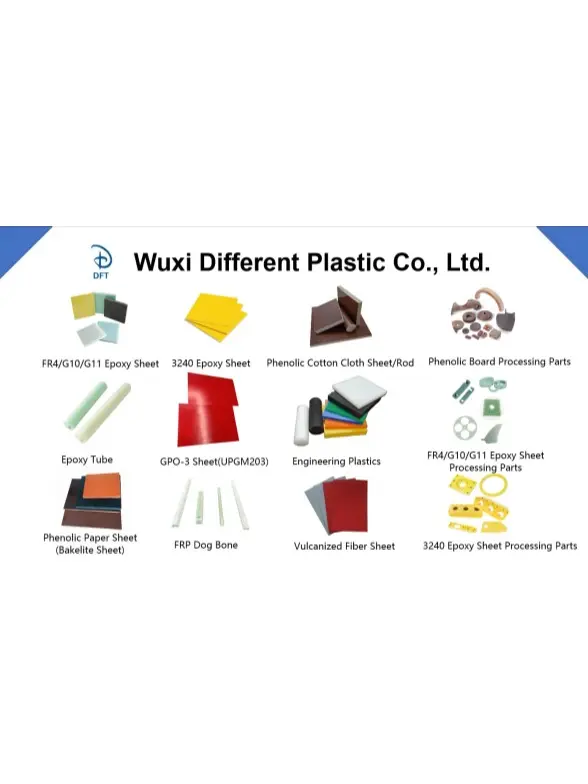
An insulator sheet is a flat sheet, which is used in electrical and industrial parts. Used to separate metal parts. It also helps to support parts without letting the current to flow through.
Many consumers believe that an insulator sheet is a single material. This is not the correct answer. A collection of materials used for insulating and supporting. They are typically made from G10 sheet, FR4 sheet, G11 epoxy sheet, 3240 epoxy sheet, Bakelite board or phenolic cotton sheet.
There are various needs for each grade. There are grades which are more heat resistant. Some provide increased strength. Some are easier to machine than others. There are some selected for cost control.
These are selected based on voltage, heat, load, moisture and machining requirements. This article is about selecting the correct insulator sheet for industrial application.
Key Highlights:
- An insulator sheet separates metal parts and helps to reduce current flow.
- The materials G10, FR4, G11, 3240 epoxy sheet, Bakelite and phenolic cotton sheets are used for various purposes.
- The right sheet will vary according to voltage, temperature, load, moisture and machining requirements.
- When parts in electrical equipment require flame resistance, FR4 can be used.
- The grade should be selected by buyers based on the working condition, and not just on price.
What Does “Insulator Sheet” Mean to Buyers?
Insulator sheet is not necessarily a material name. A use-based term for sheets that block current, supporting parts and/or protect assemblies.
1) A Sheet Used to Resist Electrical Conduction
By using an insulator sheet, current can be prevented from flowing through the part. This is helpful when working in the area of live metal parts. The grade selected should correspond to the voltage level. Inappropriate grade selection can diminish safety.
2) A Flat Material Used Between Parts
Such sheets are inserted between conductive or moving parts. They contribute to the establishment of a safe gap. They also can carry parts within panels, machines and fixtures. This support must not move when in use.
3) Available in Many Material Types
Various base materials are used to produce insulator sheets. These are often made of epoxy, glass epoxy, phenolic, Bakelite or cotton fabric laminate. Every type possesses its own strength. The selection will depend on heat, load, voltage and cost.
4) Supplied in Different Sizes and Grades
There are a range of thicknesses of insulator sheets. They also have various sizes of sheets. There can be some variation in grades also. When buying, it’s not all about size.
5) Easy-to-cut and fabricate
A variety of insulator sheets can be cut, drilled, punched or CNC-machined. This is helpful in making custom parts. These can include washers, strips, spacers, plates, or barriers. Choose a machining method that is appropriate for the material.
6) Used in Many Industrial Areas
Panels, switchgear, motors and transformers use insulator sheets. They are also produced as parts of fixtures and supports. The role of them is very simple. They provide a safe insulation and support.
What Does an Insulator Sheet Need to Do Inside Equipment?
The insulator sheet performs more functions within equipment. It should aid with safety and part fitting.
1) Separate Conductive Parts
A sheet of insulation can be used to separate metal components. It can frequently avoid unforeseen contact with electrical currents. Hence, it is important for panels and switchgear. This is because using proper gap will reduce the risk of short circuit.
2) Insulators that Support Components
The sheet can be made up of terminals, clamps or other components. It provides assistance without functioning like metal. This is helpful when both strength and insulation are required. The rating of the grade should correspond to the load.
3) Control Heat Around Electrical Assemblies
Certain electrical components generate heat when operating. A good insulator sheet should have the ability to safely deal with such heat. Higher heat areas may be more suited to grades such as FR4, G11 or epoxy sheets. The ultimate selection will depend on the operating temperature.
4) Maintain Shape Under Load
When affixed or when clamped, the sheet should remain stable. Should not bend or crack easily, nor lose its shape. This is significant for bolted parts and support plates. Shape is influenced by thickness and by grade.
5) Reduce Risk of Short Circuit or Tracking
An appropriate sheet enhances the insulating safety. It can help minimize over surface current flow. Clean and dry surfaces have better performance. Surface insulation can be affected by moisture and dust.
6) Allow Fabrication into Custom Parts
Insulator sheets are frequently cut into convenient shapes. These are in the form of washers, spacers, barriers, guides and terminal supports. The material should be appropriate to the process selected. For cutting, drilling and CNC machining, you’ll need the proper grade.
Which Material Families Are Commonly Supplied as Insulator Sheets?
Various families of materials are used to produce insulator sheets. Every family is different in terms of strength, heat resistance, insulations and cost.
1) G10 Glass Epoxy Sheet
Glass fabric, epoxy resin is used in the manufacture of G10 sheet. It has high electrical insulation properties and medium mechanical strength. It must be used where flame resistant is not the number one requirement.
2) FR4 Glass Epoxy Sheet
FR4 sheet is also made with glass fabric and epoxy resin. Its main advantage is that it is flame resistant. It is commonly applied in electrical panels, switchgear and control systems. Selected where safety and stable insulation are important factors.
3) G11 Epoxy Sheet
G11 epoxy sheet is used for higher temperatures. It can withstand higher temperatures as compared to many of the regular epoxy sheets. It is recommended for use in electrical regions of high demand. It is used in the construction of motors, transformers, and assemblies that generate a lot of heat.
4) 3240 Epoxy Sheet
3240 epoxy sheet is a widely used insulation sheet in industries. Provides beneficial strength and electrical insulation. Often used for cost-effective fabrication. It can be used for :
- Plates
- Spacers
- Washers
- Machine parts
5) Bakelite Board
It is basically a durable sheet with thermosetting property. This sheet is often applied to simple insulation. It is inexpensive than many high grades. It is appropriate for panels, switches, handles and straightforward machined components.
6) Phenolic Cotton Sheet
Phenolic cotton sheet is made with cotton fabric and phenolic resin. It is tougher than plain brittle sheets. Useful on machined parts subjected to wear and rubbing action. It can also be used to satisfy the requirements for insulation in numerous industrial components.
How Do Electrical Conditions Influence Sheet Selection?
The primary selection criteria for an insulator sheet is for electrical use. The sheet should be of the same voltage, surface condition, moisture content and part design as the sheet being used.
1) Dielectric Strength Requirement
Dielectric strength indicates the resistance to current flow of a sheet. The greater the voltage the higher the grade is required. Also, the thickness of the sheet is a factor. Thin material may not be suitable for high voltage applications.
2) Surface resistance and tracking behavior
Current will flow over a dirty or wet surface. This is known as tracking. A good sheet will not be at risk for this. Regular cleaning and adequate spacing also help.
3) Dry and Wet Conditions
Most insulator sheets will work better in a dry location. Wet insulation decreases its insulation efficiency. Careful choice of grade is required in humid areas. In many of these cases, however, the use of epoxy-based sheets may be superior.
4) Electrical Spacing Thickness Selection
Thickness isn’t just the measure of strength. It also has impact on electrical spacing. Thicker sheet may attain greater separation. However, the grade needs to be the same as the voltage requirement.
5) Arc Resistance Requirement
Sparks or arcs may result in some areas during use. This can occur in switch and panel components. The chosen sheet should be able to bear this stress. It may require the use of FR4 or other grades.
6) Suitability for Main Equipment (MES)
Insulator Sheets are applied to Switches, Motors, Transformers, Panels etc. Different electrical stresses exist in each area. What is good for a panel does not necessarily work for a transformer. The final selection should reflect the actual task.
7) General Insulation / Critical Duty
Basic insulation is all that is required on some parts. Others guard important electrical equipment. Highest priority requirement has a higher rating. Cost should not be the first consideration in such cases.
How Do Heat and Temperature Conditions Change the Right Choice?
The performance of an insulator sheet can change with heat. Some grades are age stable under heat, others may age more quickly or decrease in strength.
1) Continuous Operating Temperature
Working temperature should be the first item that is checked. This sheet has to withstand this heat for extended periods. Some epoxy grades and G11 may be suitable for higher heat usage. In basic grades, it may be possible that the product has a shorter shelf life.
2) Short-Term Heat Exposure
Few areas experience a prolonged heat exposure period. This can occur close to terminals, machines or switch parts. This exposure should not cause the sheet to soften, crack or lose shape. The grade should be the same as the highest temperature.
3) Thermal Aging Behavior
Insulator sheet can be slowly aged by heat. Surface may darken and become hard. Excessive heat exposure can also cause a decrease in strength. This is where the temperature rating comes into play.
4) Softening, Charring or Degradation Risk
The temperature in some materials increases causes them to become soft. Others can char or decompose at a high temperature. Typically, thermoset sheets do not melt again. However, if it is too hot they can still break down.
5) Dimensional Stability Under Heat
Under heat, a good insulator sheet should be able to maintain its size. It’s crucial for panels, motors, and fixtures. Holes, slots and fitting may be affected by poor stability. It may also shorten the life of parts.
6) Epoxy-Based vs. Phenolic-Based Sheet
Epoxy sheets can provide good insulation and dimensional stability. FR4, G10, G11, and 3240 are common examples. Phenolic sheets can be helpful in firm support & machining. Typically Bakelite or phenolic cotton sheet is used.
When a High-Temperature Grade Becomes Necessary!
A high-temperature grade is required if heat is a primary concern. This can be applicable in Motors, Transformers and Hot Electrical places. Under these circumstances, customers shouldn’t pick based on price. Safest grade shall be the same as the working condition.
How Important Is Mechanical Strength in an Insulator Sheet?
Mechanical strength is important when the sheet is required to support parts. It is also important at the time when the sheet is clamped, bored or applied to moving equipment.
1) Load-Bearing Support
There are some sheets which cannot be without terminals, clamps, and machine parts. No bending or cracking of the material under normal load. For greater support, glass epoxy sheets are preferred. Final selection is dependent on load and design.
2) Compression Resistance
Insulator sheets can be located between bolted components. It can also be put under pressure during assembly. The sheet should not be crushable or change in shape. This performance is enhanced by the use of the correct thickness.
3) Impact and Vibration Tolerance
There are parts that undergo repeated movement or vibration. A weak sheet can crack with time. In such cases, phenolic cotton and glass epoxy sheets might do better. The level of the grade should correspond with the stress level.
4) Edge Strength After Cutting
All cut edges should remain clean and firm. Chipping or splitting may occur due to poor edge strength. Especially for machined plates, strips and barriers. The cutting approach also impacts the quality of the edge.
5) Hole Strength Around Fasteners
Drilled holes should remain stable post installation. Cracks around holes can lead to weakness of the part. Correct hole size and edge distance are important. The material must also be appropriate for the load on the fastening.
6) Wear and Friction Requirements
Some kinds of insulation components are subjected to rubbing or sliding contact. Not all sheets are suitable for such areas. The phenolic cotton sheet may be helpful for parts to wear. It has improved toughness and machining properties.
How Do Machining and Fabrication Needs Affect the Material Choice?
Not all the strongest insulators are the best insulators in the sheet. The sheet should also be appropriate for cutting, drilling, punching and CNC machining.
1) Cutting Behavior
Certain sheets are cut straight. Some may scratch around the edges. The cutting means should correspond with the material being cut. This can help minimise waste and rework.
2) Drilling and Punching Suitability
For many of the insulator sheets you will need to punch holes for bolts or terminals. Sheet cannot crack when drilling. Thinning sheets may be suitable for punching. Depending on thickness or hardness, drilling or CNC machining may be required.
3) CNC Machining Accuracy
Parts with shape are produced by cnc machining. It can be used to create slots, holes, steps and profiles. Glass epoxy and phenolic sheets can be readily and effectively machined using the appropriate tooling. The required tolerance should be met by the grade.
4) Edge Chipping Risk
It is possible for some rigid sheets to chip while they are being cut. This may impact the end fit. The edges may require more care when handling Bakelite. The result can be improved by using the proper speed and support with the tools.
5) Dust Generation During Machining
Many types of sheet insulation generate dust when being cut. Fine dust can be formed by Bakelite and phenolic sheets. Prevention of dust in the workshop is essential. Clean machining also enhances the surface quality.
6) Tolerance Requirement
Close size control is required for some components. It’s found in washers, spacers and support plates. Selected sheet should have the necessary tolerance. Finishing should be provided in the machining plan.
7) Surface Finish After Fabrication
Many electrical parts require a certain degree of surface finish. A rough or damaged surface can cause the accumulation of dust or moisture. A clean finish will facilitate a better fit of the part. It also promotes enhanced insulation quality.
8) Suitability for Custom Shapes
Insulator sheets are typically fabricated as washers, strips, plates and barriers. These can also be used as guides and support parts. The material should be appropriate to the end form. Corners and sharp parts should be developed with caution.
Which Insulator Sheet Works Better for Different Industrial Situations?
Variations in equipment type will require different grades of sheet. The selection of the right choice depends on heat, voltage, risk of fire, load and cost.
1) For Electrical Panels and Switchboards
FR4 sheet is commonly used when there is a requirement for flame resistance. It also provides stable electrical insulation. Basic panel parts are potentially suitable for Bakelite board or epoxy sheets. They help when the job isn’t too hard.
2) For Motors and Transformers
Good insulating material components are required for motors and transformers. Typically options include G10, G11, FR4 and 3240 epoxy sheets. These sheets are suitable for wedges, spacers, supports and insulating plates. Final grade is dependent on heat and load.
3) For High-Temperature Electrical Areas
G11 epoxy sheet is a commonly chosen material for applications involving higher temperatures. It is able to withstand higher heat levels than many common grades. Other high-temperature epoxy sheets can also be used. Always check the working temperature first.
4) For Machined Mechanical Insulation Parts
Phenolic cotton sheet is applicable for machined parts. Has good toughness and good clean-machining characteristics. G10 sheet or 3240 epoxy sheet might also be appropriate. Depending on strength, finish and tolerance requirements, the choice will be made.
5) For Cost-Sensitive Insulation Work
Bakelite board is a useful material to use for low-cost insulation parts. Provides rigidity and low level heat resistance. 3240 epoxy sheet is also applied in making economic industrial parts. It can fit a variety of plates, washers and spacers.
6) For Flame-Resistance Priority
When flame resistance becomes an issue FR4 sheet is often a choice. Commonly found in control systems and electrical panels. This renders it safer for many electrical assemblies. The final selection should still meet the voltage and heat requirements.
How Can Buyers Compare G10, FR4, G11, 3240, Bakelite, and Phenolic Cotton Sheets?
These insulator sheets are used for various purposes. They should be compared with others for insulation requirements, heat output, durability, workability and price.
1) G10 Sheet for Strength and Stable Insulation
G10 sheet is a highly durable Glass epoxy plate. Provides excellent electrical insulation and support. It can be used for plates, spacer, and machined parts. Often chosen when non-combustibility is not a primary requirement.
2) FR4 Sheet for Flame-Retardant Electrical Insulation
In many applications FR4 sheet is similar to G10. The benefit of this sheet is that it is flame resistant. Thus, it is mostly used in panels, switchgear and control systems. It also works well in areas where safety and insulation are both important.
3) G11 Sheet for Higher Temperature Insulation Needs
This sheet is often used for high heat conditions. It is good in handling heat than other epoxy sheets. So, it is helpful in hot electrical areas, like transformers and motors. It is a selection for the buyer when temperature is a prime consideration.
4) 3240 Epoxy Sheet for Economical Insulation Parts
3240 epoxy sheet is a useful material used in industry. It provides helpful strength and insulation at a reasonable price. As washers, spacers, plates and parts for machinery. Appropriate for a variety of general insulation applications.
5) Bakelite Board for Rigid Thermoset Insulation
Bakelite board is hard, dense and cost efficient. For fundamental insulation and stiffening. Common application includes switch parts, panels, handles and simple machined parts. Should not be used for high impact parts.
6) Phenolic Cotton Sheet for Toughness and Machinability
Phenolic cotton sheet is more durable than many brittle boards. It is also easy to machine when equipped with the proper tools. Useful for wear resistant parts. It can be used for bushes, guides, plates and parts of support.
What Mistakes Should Buyers Avoid When Ordering Insulator Sheets?
Users should not select an insulator sheet based on name or cost only. The right sheet must be the same as the actual working condition.
1) Choosing Only by Thickness
Thickness is crucial, but not the only aspect. The grade of the material is important too. If the grade is incorrect a thick sheet could also fail. The voltage, heat and load needs to be inspected as well.
2) Treating All Insulator Sheets as the Same
G10, FR4, G11, 3240, Bakelite and phenolic cotton sheet are different. Each possesses its own set of abilities. Some are more heat tolerant. Some are more conducive to the machining process. Some are more fire resistant.
3) Ignoring Moisture Exposure
If wet, insulation will lose its effectiveness. A serious problem in humid and wet regions. The grade of the sheet should be the same as the working area. Many insulation sheets can be used dry which is safer.
4) Using Brittle Materials for Impact Parts
There are some sheets of insulator that are hard to break. May fracture if subjected to shock or sudden impact. Such parts require special care when using Bakelite board. A harder sheet might be suitable for impact applications.
5) Forgetting Machining Allowance
The final size may vary after cutting/drilling. Buyers have to leave sufficient machining tolerances. The size of the holes, the finish of the edges and the form of parts should be carefully considered in advance. This helps minimize fitting issues.
6) Selecting the Lowest-Cost Grade for Critical Equipment
Simple parts may be able to be made with a low cost sheet. May not be suitable for critical equipment. When it fails, it can result in downtime and repair costs. The safer grade may be the best choice for important systems.
What Details Should Be Shared Before Buying an Insulator Sheet?
Only if a supplier can see how a sheet will be used can he/she recommend the appropriate sheet. Buyers are advised to provide basic part information prior to ordering.
1) Required Material Name
If they are already known, the buyers should refer to the material name. G10, FR4, G11, 3240, Bakelite or phenolic cotton sheet may be used. The working condition should be shared, if material is not known. The supplier will then be able to propose an appropriate grade.
2) Thickness and size of sheets
Thickness should be clearly mentioned. Length and width of the sheet should also be verified. Details assist to prevent incorrect supply. They are also involved in cutting and machining planning.
3) Required Quantity
At the beginning, the order quantity needs to be shared. This way the supplier can manage inventory. There is also a quantity factor that affects the cost.
4) Insulation or Voltage requirement
The voltage level should be indicated for electrical use. This will help determine a safe grade. Buyers should also state if the part is for general insulation. This improves the accuracy of selection.
5) Temperature Condition
Working temp should be evident. Normal and peak temperature should be monitored. This will help determine whether or not a standard sheet will suffice. It also indicates when a higher heat grade is necessary.
6) Load or Pressure Condition
There are sheets that only split parts. Others have to bear load or pressure. The load condition should be explained by the buyer. This will prevent cracking, bending and early failure.
7) Machining Requirement
Buyers should note when cutting, drilling, punching or CNC machining is required. Shape of the part should be communicated as well. A simple drawing or sample can work. It assists in matching holes, slots, edges and tolerances with the supplier.
8) Working Environment
Working area explanation should be provided. It can be indoor, outdoor, dry, humid, oily or chemical exposed. It is important for the long term use. Some grades may be affected by moisture, oil and chemicals.
9) Surface Finish Requirement
There are areas that require a smooth finish. Others require just a simple cut surface. The desired finish should be agreed upon prior to production. This will prevent additional work post-birth.
How Should the Final Grade Be Chosen for Long-Term Performance?
The final grade should be the same grade as the actual working grade. Before buyers consider the price they should first consider safety and performance requirements.
1) Choose by Electrical Risk First
Electrical risk should be evaluated before all other risks. The sheet should be of the same voltage and insulation duty. The higher the grade, the safer it will be for critical parts. Failure can be a risk with low grade material.
2) Check Temperature Exposure Second
Material performance can change over time as a result of heat. The sheet should be appropriate for normal temperature and heat and should be appropriate for hot weather. In hot areas G11 or other appropriate high-temperature grade may be required. In such application, a standard sheet might not last long.
3) Confirm Mechanical Load Third
The sheet might have to bear a load or pressure. It can also be bolted or clamped in place. During the use of the material, it should not crack or deform.
4) Match Machining Needs Fourth
There are areas requiring simple cutting. Others require holes, slots, steps or close tolerances. The sheet selected should be appropriate for the machining process. This prevents chipping, cracking and poor fitting.
5) Review Moisture or Oil Exposure Fifth
Insulation performance can be compromised by moisture. Some grades also can be impacted by oil and chemicals. Before selecting the working area it should be checked. This will help you to pick a sheet that can last for a longer period of time.
6) Compare Cost After Performance Needs
Cost should NOT be the first thing checked. A low cost sheet can fail if it is not an appropriate fit to the task. Once the key requirements are known, the purchaser is able to compare the price. This provides a safer and more viable option.
7) Use Higher-Grade Material for High-Risk Parts
There are certain components that just aren’t for the ordinary material. These can be anything from primary electrical components, parts to the transformer, or hot surfaces. In these circumstances, a higher-grade sheet can decrease risk. It could in addition help diminish repair and downtime issues.
FAQs:
1) What Is an Insulator Sheet Used For?
A sheet of insulating material is used to hold and isolate parts. Helps minimize the risk of unwanted current flow. For terminal supports, fixtures, spacers, switchgear, motors and transformers.
2) Which Insulator Sheet Is Best for Electrical Panels?
In electrical panels, FR4 sheet is a common material used. It is a good insulator and is flame resistant. Other materials can also be used such as Bakelite board and epoxy sheets. The final selection will depend on voltage, heat and price.
3) What Is the Difference Between G10 and FR4 Insulator Sheets?
G10 and FR4 are two types of glass epoxy sheets. They are both strong and insulating. The only distinction is flame resistance. In the event that flame-retardant performance is required, FR4 is chosen.
4) Is G11 Better Than FR4 for High-Temperature Use?
G11 is often more suitable for higher temperature regions. It’s constructed to withstand heat more effectively than most regular epoxy sheets. The FR4 is still employed in a lot of electrical components. However, G11 could be better if heat is a primary consideration.
5) Can Bakelite Board Be Used as an Insulator Sheet?
Yes, Bakelite board can be as an insulator sheet. Hard, stiff and inexpensive. It can be used as a simple insulating component. May not be suitable for high impact or flexible parts.
6) Is Phenolic Cotton Sheet Suitable for Machined Insulation Parts?
Yes, Phenolic Cotton Sheet can be used for a variety of machined components. It has excellent toughening and machineability. It can be used in bushes, guides, plates, washers and support parts. It is also able to withstand wear more effectively than many brittle sheet materials.
7) Can Insulator Sheets Be CNC-Machined or Drilled?
Yes, numerous insulator sheets can be CNC-machined or drilled. They can be fabricated in plates, strips, washers, barriers and custom parts. Using the proper tools minimises chipping and cracking.
8) How Do I Choose the Right Thickness for an Insulator Sheet?
The thickness shall correspond to the voltage, load and part design. A thicker sheet will provide more spacing and support. Thickness is however not sufficient. The grade should also correspond with the heat and moisture requirements, as well as the machineability.
Final Thoughts!
A sheet reference number should not be the only criterion used to select an insulator sheet. It should be selected as per the real working condition. Voltage, heat, load, moisture and machining requirements all are important.
G10, FR4, G11, 3240 epoxy, Bakelite and phenolic cotton sheets can all be used for insulating. Each grade, however, plays a different role. There are some grades that are better suited to heat. Some can help you build strength. Some are better of cost control, some are better for machining.
The appropriate sheet can enhance safety and service life. It can also minimize failure of parts and maintenance. Buyers should provide an itemized description in advance of ordering. This enables the supplier to offer a higher quality for the task.
Use determines the good selection of material, not just the price.
For knowledge about the grades of insulator sheets, please contact us at info@differentplastic.com. We can assist you to select the appropriate G10, FR4, G11, 3240 epoxy, bakelite or phenolic cotton sheet for your industrial needs.


