
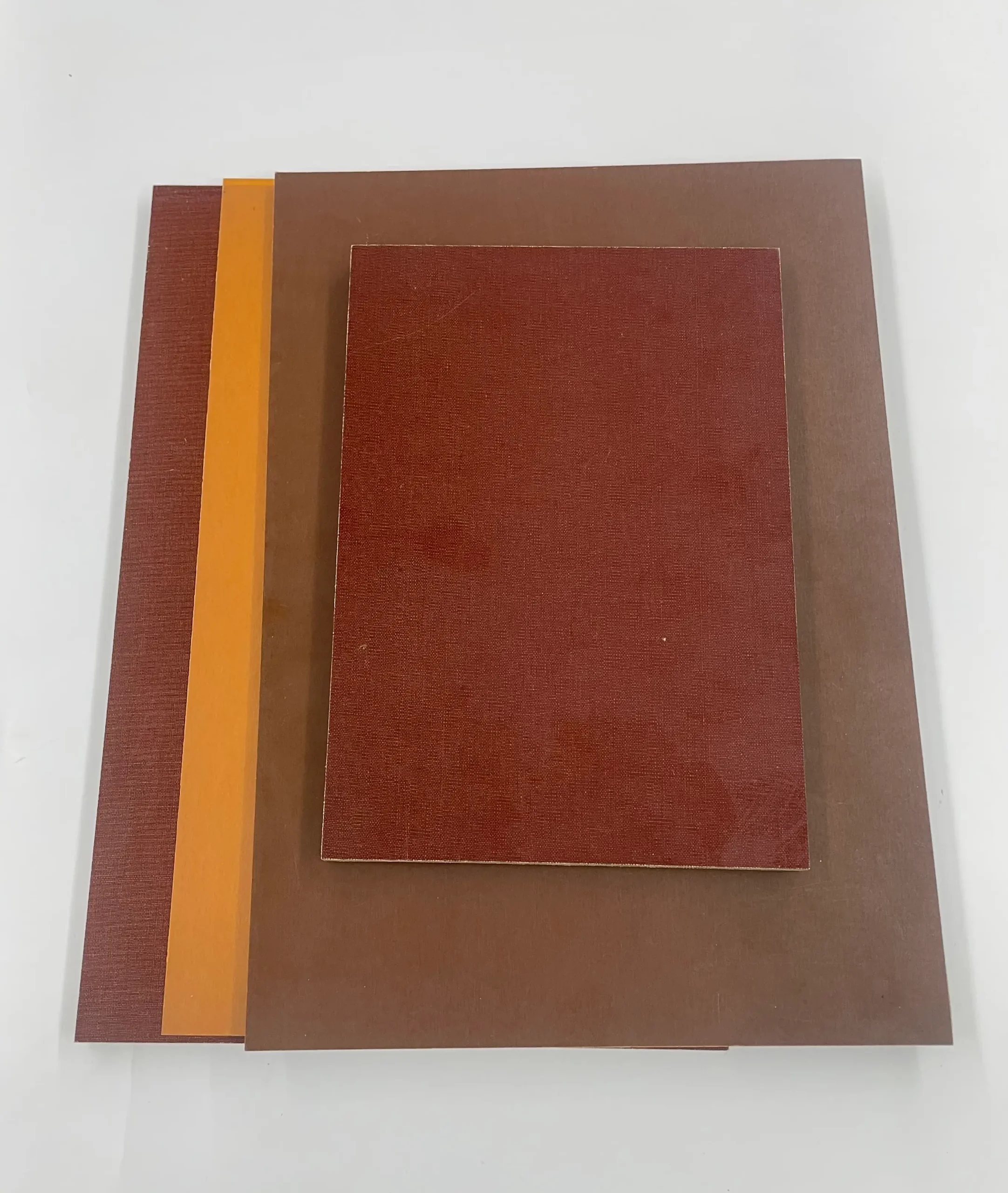
Bakelite is an old thermosetting plastic in industrial application. It’s composed of phenol formaldehyde resin. Once cured, it is hard and retains its shape. Unlike many common plastics it does not melt again.
This makes Bakelite useful as an electrical insulator. It also has a good performance in the parts under heat within a safety range. Many factories continue to use it for switch parts, panel, handles and knobs, spacers and machined blocks.
Bakelite is not a soft and flexible plastic. It feels hard, compact and solid. Selected when a component requires strength, insulation and stability of form. May crack under shock, use properly. This article discusses its application, limitations, types and material characteristics.
Key Highlights:
- Bakelite is a hard thermoset plastic, which is derived from phenol formaldehyde resin.
- Used for electrical panels, switches, handles, knobs, spacers, and machined parts.
- Cured Bakelite will not melt down again and will retain its shape under normal use.
- It provides good electrical insulation and heat resistance in its safe working range.
- Bakelite will not withstand high impact, repeated bending or very wet locations.
How Should Bakelite Be Understood as an Industrial Material?
Bakelite may be viewed as a hard thermoset plastic. It is not the ordinary flexible plastics. It does not bend easily, like a pop stick. It is designed to be used for firm and stable parts.
The material is phenol formaldehyde resin based. This resin is heat and cured hard. After curing Bakelite is no longer able to be melted. This is one of the reasons for its application in electrical and heat related components.
Bakelite is recognized as an electrical insulator. Live parts from metal bodies can be separated. It also helps in minimizing unwanted current flow. This makes it handy in panels, switches and different electrical systems.
The material is also more heat resistant than most simple plastics. Does not soften like thermoplastics. This results in improved shape control in warm working areas.
Bakelite is heavy and stiff. It’s very hard to stand on. It can be cut, drilled, turned and shaped through machining. This makes it suitable for customized industrial components.
It can be provided in a variety of forms. They are generally manufactured in the form of sheets, rods, blocks and molded parts. This is flat type insulation plates using sheets. Bushes, sleeves, spacers and turned parts are held in place with rods.
Bakelite is good for low to moderate load use. Should not be used as a durable structural plastic. Can fracture on impact. Therefore, in accordance with this, the part design must correspond to that of the material.
In other words, Bakelite is a useful insulating material. It provides hardness, heat resistance and stable shape. It is still employed in electrical panels and switchgear parts, handles, spacers, knobs, and various machined parts.
Why Does Bakelite Still Matter in Modern Industry?
Steady results are obtained by Bakelite and for this reason it is still used. Today there are many newer materials available, but Bakelite has many uses in electrical and industrial components.
1) Reliable Electrical Insulation
Bakelite is used to separate conductive parts. This is useful for applications in panels, switches and electrical fittings. It contributes to minimizing risk of unwanted current flow. This is critical in regions that need to remain safe while in use.
2) Heat-Resistant Thermoset Behavior
Many common plastics will soften, but Bakelite does not. It retains its shape after being cured under normal working heat. Hence it is helpful in close vicinity of stations, switching rooms and heated machine locations. It should still be utilized in its safe heat range.
3) Hard and Rigid Surface Quality
Bakelite has a hard and firm surface. It does not bend easily, it is inflexible. It is suitable for knobs, handles, spacers, plates and support parts. These parts require structure and compression to be firm, not flexible.
4) Cost-Effective Industrial Performance
Bakelite provides good insulation that has an economical cost. It is generally used where a high cost material is not required. This is helpful for general industrial applications. It provides a good balance of price and function.
5) Stable Shape After Curing
Once cured Bakelite cannot be changed in shape. Unlike thermoplastic materials it will not melt again. This is used to ensure the stability of molded and machined parts. It also enhances normal use size control.
6) Long History of Field Use
Bakelite is a material which has been used for many decades. It is easily understood and recognized in electrical and mechanical work. For this reason, it is still relied upon by many sectors. They are familiar with its strengths and weaknesses.
How Does Phenol Formaldehyde Chemistry Create Bakelite?
Bakelite is obtained from phenol formaldehyde resin which is the major source of its properties. This resin hardens during the curing process and becomes a fixed substance.
1) Phenol and Formaldehyde Reaction
The reaction of phenol and formaldehyde is the initial step in the production of Bakelite. Resin base is created by this reaction. This resin isn’t the final hard material. It needs to be subjected to heat and curing.
2) Thermoset Cross-Linking
While curing, the resin creates an internal network which is locked. This network imparts thermoset qualities to Bakelite. Once this process is accomplished, the material will not melt anymore. Only chars or decomposes when it is extremely hot.
3) Heat-and-Pressure Conversion
The resin is molded to a useful form by heat and pressure. This is usually done for molded and pressed Bakelite components. The process is used to compact and harden the material. It also helps to enhance shape control.
4) Filler and Additive Support
The resin can be compounded with fillers. Filler materials used are typically wood flour, paper, fabric or minerals. These fillers can be used for enhancing strength, cost, weight and machine behavior. The final result will be achieved based on the grade.
5) Final Hardened Structure
Bakelite is hard and stable after curing. It also attains its well known insulating properties. This last structure imparts the heat resistance to Bakelite. It also accounts for the hardness and fragility of the material.
Why Does Bakelite Feel Hard, Dense, and Brittle?
Bakelite is different from most of the plastics of today. It is cured and becomes hard and firm with less flexibility.
1) Locked Molecular Network
After curing, the inner structure of Bakelite is permanent. This structure reduces the mobility within the material. This causes it to be hard and rigid. It is not soft plastic.
2) Low Flexibility
Bakelite isn’t meant for bending. It isn’t designed for any flexible components. This is helpful for firm supports, plates, knobs and handles. However, it’s not a good choice for parts that will be bent repeatedly.
3) Brittle Fracture Behavior
Bakelite is brittle and might crack if hit a hard blow. It does not elongate prior to fracture. This is why it is important to make a proper part design. Thin sections and sharp corners should be avoided.
4) Dense Molded Body
Bakelite has a solid and heavy feel. This is because it is pressed and cured. The dense body is a contributing factor for the firmness of the part. It also can help to maintain the shape in many industrial applications.
5) Powder-Like Machining Dust
Bakelite will tend to generate dust during machining. It can also produce fine chips. This is done due to the fact that it is brittle thermoset material. Good machining practice is essential to achieve a good finish and for safe handling.
How Is Bakelite Converted into Sheets, Rods, and Molded Parts?
Controlled resin process is used for the production of Bakelite. The final material is made by heat, pressure, fillers and curing.
1) Resin Preparation
It begins with phenol formaldehyde resin. Resin is readied to be molded or pressed. RIGHT BASE MIX is important at this stage. It impacts strength, finish and insulation properties.
2) Material Compounding
The resin is combined with fillers and other materials. They can consist of wood flour, paper, fabric or mineral fillers. This move will help to enhance the final portion. It can help you to improve your cost, density and machining quality.
3) Compression Molding or Pressing
The mixed material is poured into a mold or a press. They are then subjected to heat and pressure. This forms the material into sheets, rods, blocks, knobs, handles or molded parts. The way is dependent on the desired product form.
4) Curing Stage
When it cures, the resin turns hard. The material turns into a permanent thermoset. Once cured Bakelite is no longer meltable. This provides it with stability of form and heat resistance.
5) Cooling and Stabilization
The cured part is cooled after it is formed. This assists the material to set in the desired form. This is also a way of minimizing stress in the part by using proper cooling. This is critical prior to cutting/machining.
6) Final Cutting and Finishing
Sheet, rod and molded Bakelite pieces can be cut or trimmed. These can be also drilled, turned, polished or machined. This is done so that the material can be used. It aids in achieving the proper size, hole pattern and surface finish.
How Does Bakelite Perform in Electrical Insulation Use?
Bakelite is used for electrical components due to its non conductivity. Most useful where the part is required to remain hard, dry and stable.
1) Dielectric Strength
Bakelite is used to prevent the flow of electric current. This is very convenient for various applications involving insulation components. It can be used to provide safe spacing between live parts. The final product varies depending on the grade, thickness and design.
2) Arc and Spark Resistance
Small sparks are encountered coming from some electrical parts during operation. In many controlled applications, Bakelite is able to do this. It is frequently applied in the vicinity of switch parts and contact areas. Heat and stress control will still need to be managed by the part design.
3) Switchgear Compatibility
The common materials used in switchgear parts include Bakelite. Switch plates, supports, separators and terminal parts are used. These parts should be well insulated. They also require stability in their shape while they are in use.
4) Low Conductivity
The Bakelite is a non-metallic material. Unlike metal it is a poor conductor of electricity. This helps to minimize risk of electricity in panels and machines. It’s suitable for a solid insulating barrier.
5) Surface Insulation Behavior
Bakelite has a stable insulation on its surface. Clean and dry conditions are best. Surface performance may be impaired by dust, oil or moisture. Hence, proper use and care is important.
How Does Bakelite Handle Heat and Industrial Exposure?
The value of Bakelite is that it is used in a wide variety of applications in which it will withstand heat. It is also more resistant to many common industrial contacts than many simple plastics.
1) Heat Resistance
Within the safe working temperature range, Bakelite can withstand heat. This is handy close to electrical and machine components. Not suitable to all high heat situations. The specific limit will vary for each grade and use.
2) No After Curing Remelting
Bakelite is an example of a thermo-setting material. Once cured, it will not melt again. This is unlike most thermoplastics. When heated, they can get soft.
3) Controlled Thermal Aging
Excessive heat exposure will impact Bakelite over time. Material may darken or become brittle. In extreme conditions, the strength can also decrease. This is where the importance of temperature review comes in.
4) Chemical and Oil Contact
Bakelite will withstand most oils and light industrial chemicals. It is so that it can be used in machine and electrical field. However, strong chemicals may cause damage to the material. The grade and exposure time should be monitored.
5) Moisture Sensitivity
Over time some grades of Bakelite are susceptible to moisture absorption. This may impact insulation and size. For Electrical Parts, dry use is always better! The long-term service is enhanced by moisture control.
Where Is Bakelite Commonly Used in Industrial Components?
Many components require firm support and insulation, and Bakelite is used for this purpose. It is best used in parts where hardness retention is required in service.
1) Electrical Switches & Panels
Bakelite is used in switch bases and on parts of panels. It can be used to distinguish live parts from metal parts. Also used for terminal boards, covers and switch handles. These components require protection against overheating and a stable geometry.
2) Motor and Transformer Parts
Firm insulating parts are frequently used in motors and transformers. Spacers, washers, sleeves and plates can be made from bakelite. These components are used for the purpose of isolation of electrical sections. They also give some support within the assembly.
3) A machine’s handles and knobs
Typical use of Bakelite is in machine handles and knobs. Provides firm and hard grip surface. It’s also more heat resistant than most simple plastics. This is handy in the proximity of machines, controls, and panels.
4) Industrial Spacers and Bushes
Shape needs to be controlled for spacers and bushes. They must also be able to retain components. There are many such parts that can be made from bakelite. Not for heavy shock use; best for moderate load use.
5) Custom Machined Insulation Parts
Bakelite sheets and rods can be cut to custom bakelite parts. These include plates, blocks, washers, rings and supports. This is useful in the repair work and special designs. Buyers can order parts as per size and hole pattern.
6) Legacy Equipment Replacement Parts
Bakelite was used in the construction of many older machines. However, Bakelite might still be the appropriate replacement material in these situations. It can help in setting the style and function of the original parts. This is helpful if the fit or function will be impacted by changing materials.
How Do Different Forms of Bakelite Serve Different Requirements?
There are a number of different forms of Bakelite. The type of each form is chosen depending on the shape, function and machining requirement of the part.
1) Bakelite Sheet
Flat parts made from bakelite sheet. Widely used in panels, plates, washers and gaskets. It can be cut and drilled as necessary. This is helpful for unique insulation projects.
2) Bakelite Rod
Round parts made of bakelite rod. For bushes, sleeves, rollers, spacers and handles. It can be turned on a lathe. This aids in proper round part production.
3) Molded Bakelite Components
Molded Bakelite products are manufactured in a permanent mould. These include knobs, handles, covers and switch parts. This form is helpful if a large quantity is required. It also decreases additional machining operations.
4) Paper-Based Bakelite Laminate
For economical insulation parts Bakelite laminate is used, which is made of paper based raw material. Moderate strength and good basic performance. It is a material that is frequently chosen for flat electrical components. It is used in applications where there are no heavy loads.
5) Fabric-Reinforced Bakelite Material
Fabric-reinforced Bakelite is tougher than the plain varieties. It also imparts better machining characteristics. It can be used in this form when more wear resistance is required for the part. It is frequently used in the more substantial accompaniment parts.
6) Custom Bakelite Machined Parts
Custom machined Bakelite parts are made as per drawing or sample. This may consist of holes, slots, steps, profiles and special sizes. This is good for repair, replacement and special assembly jobs. Supplies ready to fit parts to help buyers get ready to fit parts.
When Is Bakelite a Better Choice Than Ordinary Plastic?
When the part requires insulation, heat resistance, and rigidity then Bakelite is a better option. Should be selected where flexibility is not required.
1) When Electrical Insulation Is Important
Bakelite will be useful if a part is required to help block the flow of the current. This is appropriate for switches, panels and terminal components. Provides superior insulation support as compared to many common plastics. Safe spacing should still be incorporated in the design of the part.
2) When Heat Resistance Is Required
Bakelite is a heat resistant material which is able to withstand heat better than many simple plastics. Doesn’t soften easily in its range of safe working. This is useful close to electrical contacts and hot machine parts. The actual temperature limit should be the same as the grade.
3) When the part must stay hard and rigid
Bakelite is suitable for parts that are rigid. Maintains hardness while in use. Handles, knobs, spacers, plates and support blocks can benefit from this. There is no need to bend these parts.
4) If flexibility is not required
Bakelite is to be used if there is no need for a bend in the design. It is not designed to be snap fit and flexible. If there is a need for repeated movement of the part, then another plastic may be more suitable. A nylon or other material might be more suitable for such use.
5) When Cost Control Matters
Bakelite can be used to provide valuable industrial performance at an acceptable price. This makes it usable for on-going manufacturing and replacement parts. Often used when top quality materials are not required. It provides a mix of price and function.
6) When Legacy Replacement Is Required
The use of Bakelite parts was common in many of the older machines. In these situations, the exact same product might be required for a correct fit. It can be helpful to use bakelite to match the original part. This is helpful when repairing and maintaining.
Where Should Bakelite Not Be Used Without Careful Review?
Bakelite is applied in many industrial components. However, it is not an ideal solution for all designs or working situations.
1) High-Impact Loading
Bakelite tends to snap when subjected to shock. Not as impact resistant as stiffer plastics. This poses a risk for parts that are dropped or hit. Use for such purpose should be ruled out prior to selection.
2) Flexible Part Design
Bakelite is not flexible. Should not be used in parts requiring flex. Bakelite is not well suited to snap fit parts. In such cases a flexible plastic might be more appropriate.
3) Very Wet Environments
Certain grades of Bakelite are hygroscopic. This can impact size and insulation properties. Additional attention is required for wet areas. A more moisture resistant material might be required.
4) High Structural Loads
Unless checked, Bakelite is not recommended for use under heavy load. This is good for low to moderate load use. Stress can cause cracking. Load, thickness and support need to be evaluated.
5) Thin Sharp-Edged Parts
Thin sections may weaken Bakelite. The risk of cracking can also be enhanced by sharp corners. Many designs benefit from rounded corners. The correct thickness also contributes to extending the life of the parts.
6) Outdoor Exposure Without Protection
Bakelite can be a poor choice for severe outdoor environments. It can be impacted over time by sunlight, rain and weather. Outdoor parts require protection, or upgrading. Working condition shall be the first to check.
How Should Buyers Select the Right Bakelite Material?
The correct Bakelite type must be used to correspond to the part construction. Buyers are advised to verify the size, load and temperature conditions before ordering.
1) Required Form
Bakelite is available in sheet, rod, block or molded part form. The form should be in the same shape as the last part. Sheets are used for flat parts. Round parts are designed for rods.
2) Thickness, Diameter and Size Tolerance
Size should be considered prior to selection. There will be small errors that may influence the fitting during assembly. Tolerance is also crucial for machined parts. This is the case in holes, slots and close fit zones.
3) Electrical Insulation Requirement
Insulation requirement should be evident. Voltage, spacing and thickness of parts needs to be taken into account. Safety is enhanced with a proper grade. The insulation performance may be reduced if the wrong selection is made.
4) Operating Temperature Range
Working temperature should be the same as the material grade. Bakelite only works within a safe range. Excessive heat can cause aging of the material. Long exposures can cause increased brittleness as well.
5) Mechanical Load and Impact Condition
Bakelite is suitable for medium and light loads. It shouldn’t be used for heavy stress nonchalantly. The importance of impact is also key. Cracks are caused by sudden shock.
6) Machining Requirement
Certain Bakelite components may require cutting, drilling or turning. The form selected should be conducive to clean machining. It is advisable to avoid sharp corners. Also finish is enhanced with proper tool use.
7) Moisture, Oil, or Chemical Exposure
The working area to be examined in advance. Some grades of Bakelite may be susceptible to moisture. For many, the use of oil and mild chemicals are acceptable. Careful checking is required for strong chemicals.
8) Surface Finish Requirement
Smooth surface required for some parts. Others may require only finishing. The surface finish should be commensurate to the use. Electrical components should be kept clean and dry.
9) Edge Strength and Hole Design
Appropriate design of edges and holes is required. Thin edges are prone to breaking. Curved corners are sometimes preferable. They are associated with decreasing the risk of crack.
10) Quantity and Customization
Check the required quantity first by the buyer. This helps to determine whether to use sheet machining or molded parts. Drawings or samples of custom parts may be required. This will allow the supplier to meet the exact requirement.
How Does Bakelite Compare with Modern Engineering Materials?
Though Bakelite is still useful, it is not the only one. Before making any selection, it should be compared to the other materials by the buyer.
1) Bakelite vs Phenolic Cotton Cloth Laminate
Bakelite is hard and inexpensive. Good for a variety of simple insulation components. Phenolic cotton cloth laminate is generally sturdier. It also provides improved machining characteristics in numerous components.
2) Bakelite vs FR4 Glass Epoxy
In many modern electrical systems, FR4 glass epoxy provides a higher level of strength. It also offers excellent insulating properties. Cost control is a major concern for the selection of bakelite. It can be used for basic insulation components and in legacy equipment.
3) Bakelite vs Nylon
Nylon is stronger and more elastic than Bakelite. Best for parts that require impact resistance and movement. In many applications, Bakelite has a higher hardness and heat resistance. It is also more suitable to manufacture rigid electrical insulation parts.
4) Bakelite vs POM
POM is suitable for sliding and precision mechanical parts. Provides low friction and smooth movement. If insulation and heat resistance are more important, Bakelite is chosen. Not primarily used for sliding parts.
5) Bakelite vs Ordinary Thermoplastic
Most common thermoplastics are capable of being softened again by heating. They are capable of being molten and molded by heat. Bakelite is different. Once cured, it will not melt again when used under normal conditions.
FAQs:
1) What Is Bakelite Material Used For?
Electrical insulating parts are made of bakelite. It is also used in the manufacture of panels, switches, handles and knobs, spacers, washers, and machined blocks. Selected where part needs to remain hard and stable. It can also be used when there is a requirement for heat resistance.
2) Is Bakelite a Plastic or a Resin Material?
Bakelite is a plastic which is thermosetting. It is created with phenol formaldehyde resin. Once cured, it is hard and retains its shape. It can’t be melted down like many household plastics.
3) Can Bakelite Be Used for Electrical Insulation?
Yes, Bakelite is used generally as an insulator for electricity. Reduces the flow of current in several places. It is applied in switchgear, panels, terminal boards and supporting parts. The final decision is on the basis of grade and design.
4) Is Bakelite Heat Resistant?
Bakelite has a good heat resistance as long as it’s used within the safe working range. Unlike many thermoplastics, it will not soften. However, it is not a product that should be used outside the specified capacity. Can become more brittle with long heat exposure.
5) Why Is Bakelite Brittle Compared With Modern Plastics?
Bakelite is a thermoset with a locked structure. This renders it stiff and hard. Does not readily extend when force is applied. So it could break, when hit or loaded sharply.
6) What Is the Difference Between Bakelite Sheet and Bakelite Rod?
Flat parts are made with Bakelite sheet. In plates, panels, washers and gaskets. Round parts are made of Bakelite rod. It is appropriate for turned parts, spacers, rollers, bushes and sleeves.
7) Can Bakelite Be Machined Easily?
Bakelite can be made in various shapes through machining. Can be cut, drilled, turned and finished. Sufficient attention must be paid in the process of machining. The material has the ability to release dust and may chip at sharp edges.
8) Can Bakelite Replace Phenolic Cotton Cloth Laminate or FR4?
In some simple applications, they can be substituted with Bakelite. This is dependent on load, heat, voltage and part design. Phenolic cotton cloth laminate is frequently more durable. Usually, FR-4 performs better in today’s electrical systems.
Final Thoughts!
Bakelite is still a useful material for the manufacture of many industrial components. Provides fair electrical insulation. It provides heat resistance, hardness and stable shape as well. These properties make it suitable for application in panels, switches, handles, knobs, spacers and machined parts.
It is most useful because it is thermoset. After curing Bakelite will not melt again. Maintains its hardness under normal use. This is different from many ordinary plastics.
However, there are cautions about using Bakelite. Not suitable for high impact. It is also not suitable for flexible components or heavy structural loads. Sharp part designs and wet areas must also be reviewed.
With the proper application, Bakelite will do a good job. It has been proven to be effective when rigid insulation and cost-effective service is desired.
For more information about Bakelite material, you could contact us at info@differentplastic.com . Our staff will assist you in selecting the appropriate Bakelite sheet, rod or custom cut Bakelite part for your industrial requirements.


