
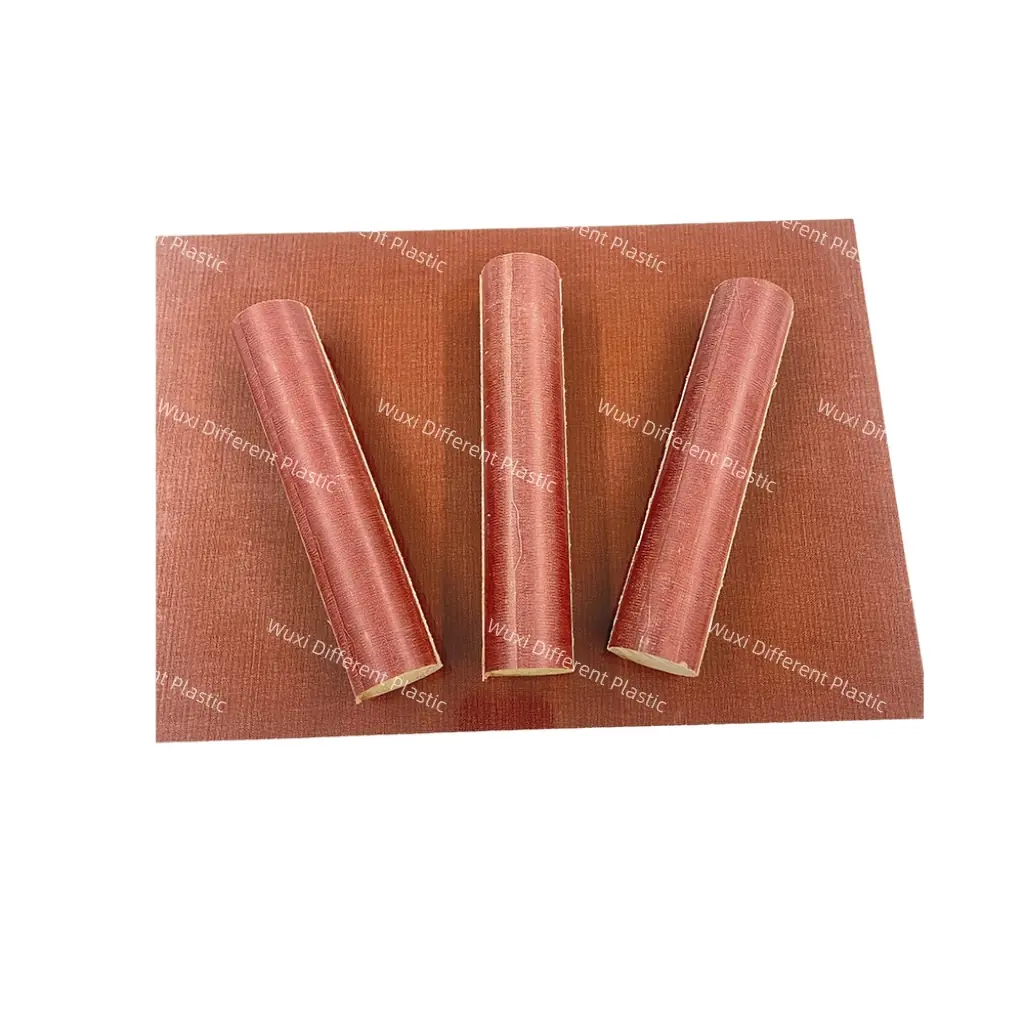
Celotex Insulation is a solid industrial insulation material. The article is about the phenolic cotton cloth laminate board and rod. It is used when both electrical insulation and mechanical strength is required.
The material is made from cotton cloth and phenolic resin. The cloth provides load support to the structure. The resin fuses the cloth layers together into a solid. This makes it a hard laminate which can be cut, drilled, turned and machined.
Electrical panels, motors, transformers, switchgear and machine parts use Celotex Insulation. It’s also utilized in spacers, washers, bushes, sleeves, support blocks and rollers.
It is primarily useful for its utility. Can withstand wear, load and provide safe insulation use in many industrial applications.
This practical guide explains Celotex Insulation in simple industrial terms.
Celotex Insulation in Industrial Terms
Celotex Insulation means a solid phenolic cotton cloth laminate in this context. It comes in the form of board, sheet or rod. It can be used for making parts which require both strength and safe insulation.
This material is different from soft thermal insulation. Soft insulation is used for reducing the rate of heat transfer. It is usually light, flexible and easily compressible. The same is not true about celotex laminate. Hard, dense and stiff. It’s designed for industrial components which need to maintain their form when subjected to load.
Celotex Insulation is an Engineering Material. It isn’t just a barrier. It is also able to serve as a part of the support. It can be used to transport loads, to resist wear and to repeat the use. This is helpful in electrical and mechanical assemblies.
Flat parts are used with board form. Plates, Washers or Panels, Spacers, Support blocks. Round parts are made to rod form. These are comprised of bushes, rollers, sleeves, pins, and machined round spacers.
This material may be referred to by different names in industry. The common terms are: cotton phenolic laminate, fabric phenolic, phenolic cotton cloth laminate and laminated phenolic sheet. Other buyers use type of material or PFCC.
All this names are referring to the same concept. The reinforcement is made of cotton cloth. Phenolic resin is used as the binder. They are combined to form a hard laminate, which can be used in electrical and mechanical components.
Why Cotton Cloth Reinforcement Matters
The primary application of cotton cloth reinforcement is as an engineering laminate, as it is with Celotex Insulation. It enhances the strength, tough and durability of the material under load.
1) Fabric Layers as the Strength Carrier
Woven cotton cloth is used as the strength carrier in the laminate. Each layer provides resistance to pressure, impact and sudden stress when the product is in use. This makes the Celotex Insulation more resistant than some simple plastics. It also enhances the performance of the board or rod under loading, vibration and repeated contact.
2) Phenolic Resin as the Locking Medium
The cotton cloth layers are united with a hard and solid body by the use of the phenolic resin. The resin is poured in during the manufacturing process and then hardened under heat and pressure. This serves to bind the layers together and to provide the rigid shape of the material. The resin is also suitable for electrical insulation, heat resistance, and stable performance in various industrial applications.
3) The Laminate Effect
The laminate effect occurs because of the multiple layers of fabric that are merged into a single substance. A densely layered structure can be formed and is quite strong and shape-stable. Can be loaded and retain shape better than some lower quality plastics. That’s exactly why Celotex Insulation is ideal for parts that are machined, supported, or parts that wear.
4) Directional Strength Behavior
Celotex Insulation may have varying properties in length, width and thickness. This is a characteristic of a laminated material. The layers of cotton cloth provide additional support in certain directions. Design and/or manufacture a part with consideration to load direction for this reason.
Board or Rod: Choosing the Right Shape
Celotex Insulation is available in both board and rod. It will depend on the shape of the end piece. It is also related to the direction of the machining.
1) Celotex Board
Flat parts of insulation are installed using Celotex board. It can be used in plate, spacer, washers, panels and support blocks. It is also used for square and rectangular shaped machined parts. Board form is useful for designs requiring flatness and uniformity of thickness.
2) Celotex Rod
Round parts of insulation are made with the “Celotex rod”. It is suitable for bushes, rollers, sleeves, pins, handles and round spacers. It is also used for making gear blanks and cylindrical supports. Use Rod form if the part requires to be turned on a lathe.
3) When Board Is More Practical
Board is easier to use for flat and wide parts. Can be cut into strips, plates, rings and custom profiles. It is also easier to access for panel work for drilling, milling and shaping. Board form is used when lots of parts need to be cut from a single sheet.
4) When Rod Is Dominant
Rod is better suited for round parts. Reduces material waste in turning operation. Also provides a better sleeve, bush and roller starting shape. This translates to the usefulness of rod form for the rotation of parts and round load-bearing components.
Performance Profile of Celotex Insulation
Celotex Insulation is chosen where there are multiple requirements for one part. It can offer electrical insulation and at the same time mechanical support. This is also helpful for use in a variety of factory and equipment applications.
1) Mechanical Endurance
Celotex Insulation has good strength under pressure. The cotton cloth layers provide impact and crack resistance to the product. Useful in parts that are subject to vibration or repeated use. It is also suitable for support blocks, bushes, and wear plates.
2) Electrical Safety Performance
The structure of phenolic resin makes it electrically insulating material. This can be beneficial in motors, panels, transformers, and switchgear. It aids in the separation of live parts from metal frames and other parts nearby. The proper grade is to be used according to voltage and working conditions.
3) Heat Handling Capacity
In the industrial application, Celotex Insulation can withstand moderate heat. It is commonly used in a vicinity of motors, electrical components, and machine assemblies. The phenolic resin provides the material with a higher level of heat resistance than many low-grade plastics. However, check the working temperature prior to selecting the unit.
4) Moisture and Oil Exposure Behavior
In many humid and oily locations, Celotex Insulation can be used effectively. One of the reasons it is used in electrical and mechanical equipment. The resin minimizes the direct exposure of the cotton layers. The correct grade and finish should be selected for wet and/or oil service operations.
5) Wear and Friction Response
The material is useful in moving parts with a wear response. Works in bushes, rollers, guide blocks and sliding parts. It has a body reinforced with fabric, enabling it to manage contact stress. This makes it a suitable material for a wide range of light and medium load components.
6) Dimensional Reliability
Under normal load, Celotex Insulation will retain its shape. It has a rigid laminate construction which provides greater stability than many simple plastic materials. This facilitates in during the machining process as well as final assembly. It also aids to maintain the parts fit during service.
How Celotex Insulation Is Made: From Cloth to Engineering Laminate
Celotex Insulation is manufactured by a controlled Laminate process. Heat and pressure are applied to a combination of cotton cloth and phenolic resin. This turns soft material into an industrial hard material.
1) Cotton Fabric Selection
First, you need to choose cotton fabrics. The fabric can be either fine weave or coarse weave. Fine weave cloth will provide a smoother finish and better edges after machining. In cases where stronger mechanical parts are required, coarse weave cloth is used.
2) Resin Impregnation
The phenolic resin is applied to the cotton cloth. The resin is infused into the fabric and goes over its fiber surfaces. This is an important step because the resin will eventually be the hard binding stage. Resin treatment is important to ensure that a good laminate is formed.
3) Layer Building
The layers of fabric are then stacked up after resin treatment. The number of layers will vary according to thickness desired. In board form, layers are in flat sheets. Rod form is fabricated, prior to final forming, into a round shape.
4) Heat-and-Pressure Consolidation
The overlaid material is compressed in hot conditions. The phenolic resin is cured when heated. The layers are forced together under pressure forming one dense solid. This step provides Celotex Insulation with a hard surface, rigidity and strength in the laminate structure.
5) Stabilization and Finishing
Once the pressure is applied, it’s cooled and left to settle. Subsequently it is trimmed, sanded, cut or turned as required. Board can be furnished in sheet size or cut size. Rod can be either furnished in standard length or cut to length.
6) Inspection Before Supply
The final product is inspected prior to delivery. Common checks are thickness, diameter, surface finish and straightness. Material is also inspected for cracks, voids and poor bonding. These tests allow to ensure that the board or rod is appropriate for production and processing.
Where Celotex Insulation Earns Its Value
Celotex Insulation can be used when a single component needs to perform multiple functions. It may be insulating, reinforcing, wear resistant and shape holding during service.
1) Electrical Equipment Interiors
Celotex Insulation is commonly used in electrical equipment. Can be used to manufacture supports, terminal boards, spacers and separator parts. These components are used to separate live components from metal frames. They also minimize the possibility of contact between adjacent components with electricity.
2) Motor and Transformer Assemblies
Parts to insulate and support are required for motors and transformers. Wedges, sleeves, rings and support pieces are made of Celotex Insulation. It can also be used in oil-filled equipment when the appropriate grade is used. The material aids to hold parts in place and provides electrical separation.
3) Machine-Building Components
In machine-building projects, Celotex Insulation is employed too. It can be fabricated as wear plates, bushes, rollers, guide blocks or gear blanks. Cotton cloth structure makes the parts have load resistance and contact wear resistance. This is beneficial in multiple moving and support applications.
4) Heavy-Duty Fabricated Parts
Celotex Insulation is suitable for use in many custom fabricated parts. It can be shaped into special forms by cutting, drilling, milling and turning. This can be used for repair, maintenance for plants and production for OEMs. It’s useful when a common plastic component is not sturdy enough.
5) Replacement for Traditional Bakelite Parts
Many of the Bakelite parts can be replaced with Celotex Insulation. It’s frequently selected if superior material assistance is necessary. It may also be simpler to cut out into sturdy custom parts. This is for old equipment, spare parts and upgraded industrial assemblies.
Celotex Insulation Grades and Material Variations
Not all Celotex Insulation will be provided in a single grade. The final part must be used to determine the appropriate grade. Some grades are produced for improved machinability. There are some that are designed for higher loads. Others are chosen as the electrical insulation.
1) Fine-Weave Cotton Phenolic
The finely woven cotton phenolic is made from tightly woven cotton cloth. This will create a smoother surface and clean machined edges of the material. Good for small parts which require a clear finish. It is also suitable for washing, thin space and precision insulation parts.
2) Coarse-Weave Cotton Phenolic
Heavy cotton phenolic is coarse weave cotton. This provides a better toughness for larger parts. It can be used in places where the part needs to take load. It can be used in bushes, rollers, support blocks and wear parts.
3) Electrical Grade Cotton Phenolic
Electrical grade cotton phenolic is used when the insulation property is required. It is selected for components within panels, motors, transformers and switchgear. This grade is used to isolate the current-carrying parts from other surfaces. When moisture, voltage and heat are among the service conditions, it should be selected with care.
4) Mechanical Grade Cotton Phenolic
Used where strength and wear life are more important than in the above. It can be used for machined parts subjected to pressures, friction and impact. Used for guide blocks, gear blanks, sleeves and bearing type parts. This grade provides a good combination of strength, machineability and service life.
Buying Checklist for Celotex Insulation
The last application of the part should be the basis for purchasing Celotex Insulation. Form, size, grade and finish should be as per the working condition. The wrong choice can result in poor fit, wear or insulation.
Required Form: Board, Sheet, or Rod
The first factor is the form. Board or sheet is suitable for flat parts. Rod is suitable for round parts. The chosen type of form should have the capacity to lessen material waste and the machining time.
1) Thickness, Diameter, and Length
One of the most significant factors is size. The thickness, width, and length required are clearly specified for board. The diameter and length of the rod should be verified for rod. Additional machining allowance could also be required.
2) Electrical or Mechanical Priority
The buyer should have some idea of the main use of the part. There is a need for a more effective electrical insulation in some parts. There are parts that have a demand for greater strength and wear life. This will assist in selecting the appropriate grade of material.
3) Operating Temperature
Wear should be checked prior to purchase at the working temperature. Moderate heat is okay for Celotex Insulation. Nevertheless, there are different safe working ranges for each grade. The material should not be used at a load exceeding the rated limit.
4) Oil Exposure
The working area can consist of moisture, oil or both. This is important because exposure can impact long term performance. The appropriate grade and surface finish can enhance service life. This is more significant to motors, transformers and machine parts.
5) Machining Requirement
The final shape should be negotiated prior to purchase. Simple cutting is required for some parts. Others require turning or close tolerance machining. Fine-weave grades are suitable for small parts and clean edges.
6) Surface Finish Requirement
Certain areas require a smooth surface. Others are only required to have a standard industrial finish. Surface finish may influence fit and appearance. It would be best to confirm this prior to production.
7) Dimensional Tolerance
The size variation of the final part that is allowed is called tolerance. Parts that require a tight tolerance include bushes, sleeves, rollers and fitted insulation. Loose tolerance can be used for simple spacer and support blocks. The supplier should be aware of the tolerances needed prior to machining.
8) Grade Reference
Avoids confusion by using a grade reference. This can be a plant grade term such as PFCC, HGW or a custom plant grade. The references are used to correlate the material with usage. Please check the final grade with the supplier.
9) Quantity and Customization Needs
At the beginning, an explicit statement should be made of the required quantity. The potential purchaser should also specify whether cut components or fully-machined components are required. Holes, slots, grooves and shapes can be cut from board or rod. Clear drawings reduce errors.
FAQs:
1) Is Celotex Insulation the same as phenolic cotton cloth laminate?
Yes. Whereas Celotex Insulation is used to describe phenolic cotton cloth laminate. It’s composed of cotton fabrics and phenolic resins. The fabric offers support. Insulation value and hardness are provided by resin. Cotton phenolic laminate or fabric phenolic laminate is another name for this material.
2) Is Celotex Insulation available in both board and rod form?
Yes. Celotex Insulation is manufactured in board, sheet and rod. Board is used for flat parts like plates, spacers, panels or washers. Round parts like bushes, rollers, sleeves and pins are used for the rod. The final part must be shaped in a way that determines the form of the right.
3) Can Celotex Insulation be used in electrical equipment?
Yes. Celotex Insulation is extensively used in electrical equipments. It is employed in panels, motors, transformers and switchgear. It separates contact areas of metal parts from live parts. The grade to be used should be determined by considering the voltage, heat, moisture and service conditions.
4) Is Celotex Insulation suitable for machining?
Yes. Celotex Insulation can be cut, drilled, milled, turned and shaped. Board can be used more easily for flat areas. Rod is best for lathe and round parts. In some cases, fine weave grades are used when the part requires a close size tolerance and/or a smooth edge.
5) What is the difference between Celotex board and Celotex rod?
Flat Celotex board for plates, washers, support blocks, panels. It is suitable for parts that require cutting, drilling or milling from a sheet. The form of Celotex rod used for bushes, sleeves, rollers, pins and handles is round. It’s better suited for lathe parts.
6) Can Celotex Insulation replace Bakelite parts?
Yes. A large number of Bakelite components can be substituted with Celotex Insulation. It is used when a fabric and machining characteristics are required. Cotton cloth reinforcement makes it more impact and wear resistant. It is suitable for quite a number of old machine parts, electrical components and custom spares.
Final Thoughts!
For more information, please reach out to info@differentplastic.com. and discuss with our team. We can assist you in selecting the most appropriate Celotex Insulation board or rod to meet the electrical, mechanical and machined part requirement.


