
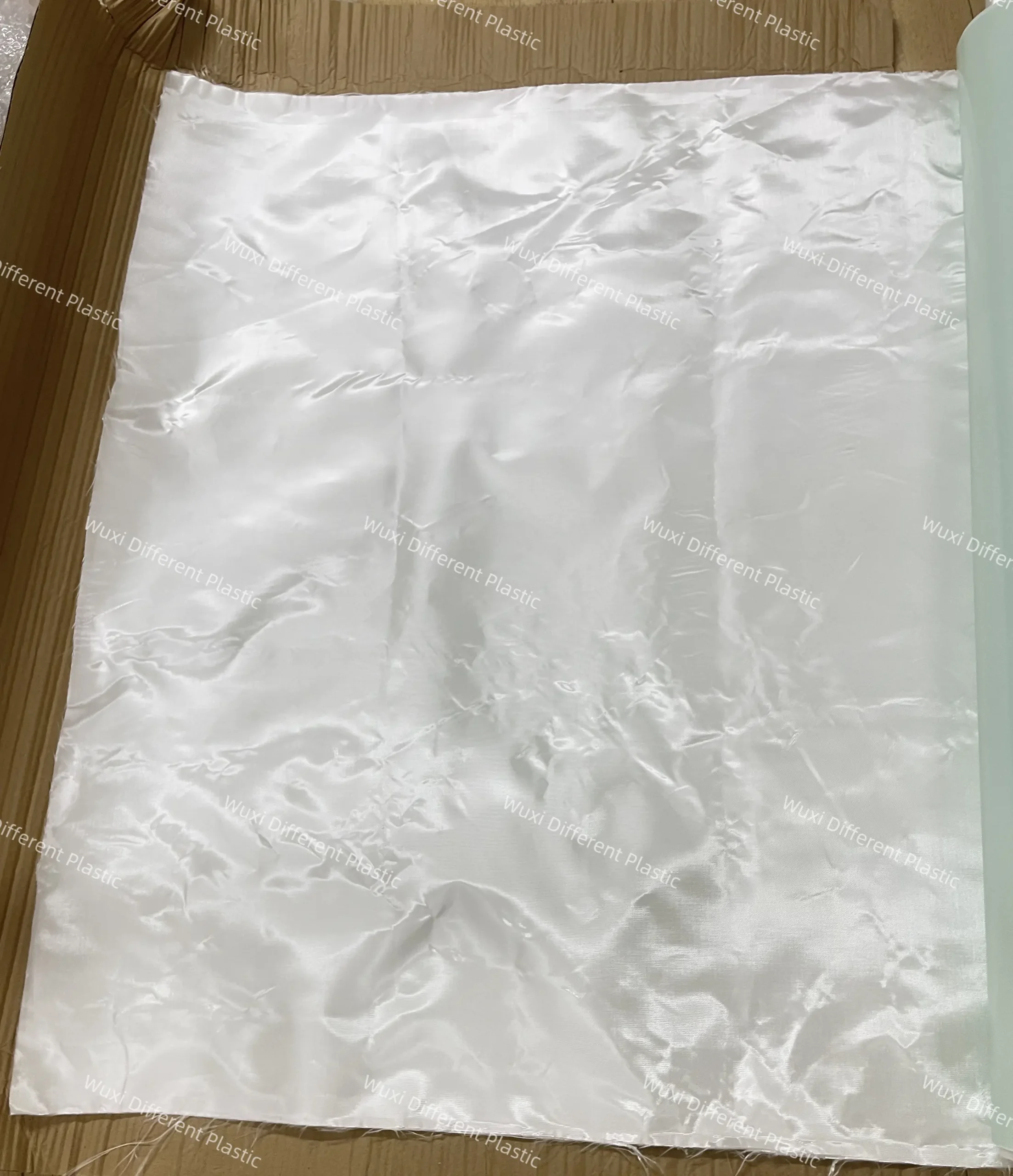
Fiberglass cloth is a thin micro-fibre fabric. It is used as a filler, insulating material, coatings and repairs. Before resin or other materials come into contact with the fabric, the form of the fabric is important. The cloth is used to give strength and stability. It distributes force over a large area to reduce the chance of cracks. It can maintain the form of sheets and molded parts during production.
There are several different types of fiberglass cloth. They are woven differently and have different thicknesses. All of these determine the bend and drape of the fabric. They also influence the sticking of resin to the surface.
This material is employed in industrial applications where strength is a crucial factor. It is resistant to heat, water and chemicals. Selecting the appropriate fiberglass cloth will simplify the production. It guarantees the final product is of high performance and durability.
Key Highlights:
- Fiberglass cloth is a continuous woven cloth of high strength, high dimensional stability and heat resistance.
- The flexibility, drape, resin flow and directional reinforcement are dictated by the weave pattern, such as plain, twill, satin, leno, unidirectional or multiaxial.
- It is used as the primary reinforcement layer in composites. This helps ensure load distribution, crack resistance and stability of the surface.
- Strong bonds and long-lasting laminates can be created using fiberglass cloth with different resin types. It includes epoxy, polyester, vinyl ester, phenolic, and silicone.
- Industrial uses comprise composite laminates, insulation sheets, moulded parts, electrical insulation, marine repairs, automobile panels, fire protection fabrics and aerospace parts.
- The right selection of fabric type, weight, weave, and resin provides uniformity of product quality, performance and durability.
Fiberglass Cloth in Simple Industrial Terms
Fiberglass cloth is a continuous glass fiber yarn woven cloth. The yarns are extremely fine. They create a solid surface which is easy to manipulate.
This fabric is not the same as loose glass fibre or chopped strand mat. There is no shape retention of loose fibres. Fiberglass tape is something small and used for small repairs. Pre-coated and/or laminated finished sheets. Fiberglass cloth remains malleable. Can be cut and shaped prior to resin application.
Cloth has strength in some directions, this is due to the way it is woven. It also regulates flow and bonding properties of resin. The thickness desired may be achieved by using the fabric in layers. Can be formed on flat surfaces or curved surfaces.
In industry, uniformity of fiberglass cloth is appreciated. The width, weight and weave are consistent for each roll. This results in consistent performance during production and final product.
Why Fiberglass Cloth Matters Before Resin Is Added?
Fiberglass cloth is not for holding resin only. It plays an active role in the strength and durability of composite products. The proper fabric will guarantee uniformity and prevent manufacturing defects.
1) Acts as the Main Reinforcement Layer
The main structural layer of composites is made of fiberglass cloth. Tensile loads are borne by continuous fibers, which are not able to withstand these loads without resin. It is used for stiffening and strengthening laminates, molded parts and panels. The mechanical performance can be obtained by stacking multiples layers of cloth. If it were not in place, composites would be weak and fail.
2) Controls Strength Direction and Surface Stability
How forces are dealt with depends upon the pattern of the fabric. Plain weaves are used to provide balanced strength, whereas unidirectional or twill weaves are used to give directional reinforcement. This control is used to ensure that surfaces are neither distorted or do not deform, and that they mold to the surface accurately.
3) Helps Distribute Load Across a Larger Area
When forces are applied to fiberglass cloth, they are spread across the surface. This will stop the stress being focussed in a small place which would lead to bending or breaking. The fabric evenly distributes its pressure, even under heavy loads, keeping the resin matrix and final product safe. It is important in panels and industrial laminates.
4) Improves Crack Resistance and Dimensional Control
Fabric does not crack or crack easily. Retains shape of sheets, panels, molded parts during cure. Fiberglass cloth also helps to control shrinkage and expansion to maintain thickness and dimension. This guarantees that the final products are free from warping and defects while satisfying design requirements.
5) Forms the Base for Composite Laminates, Insulation Sheets, and Molded Parts
The fiberglass cloth is the basis of many industrial products. The cloth provides strength and smoothness to laminates. Insulation sheets remain stable and maintain thermal performance. Molded parts become durable. The right type of cloth guarantees consistent results, as the product is used according to its purpose.
From Glass Filament to Finished Fabric Roll
Fiberglass cloth is made from molten glass. It goes through various processes until it is ready to be used as a fabric. Each step has an impact on strength, flexibility and surface quality.
1) Glass Fiber Formation
The glass is taken into a furnace and heated until it melts. Molten glass is pulled through very small openings, called bushings. This forms very thin, continuous filaments. The filaments quickly harden to maintain their strength and shape. When weaving later, it is very important that the diameter of the yarns is uniform.
2) Yarn Formation
The filaments are collected in strands. Yarn is formed by twisting or mixing together strands. Some yarns have a light coating to help prevent breakage. The yarn should be strong, smooth and flexible when weaving.
3) Weaving of Fiberglass Yarn
Industrial looms are used to weave yarns into cloth. Type of weave influences strength, flexibility, and flows of resin. Plain, twill, satin or leno weave are used for different applications. Weaving should be done in a proper way to obtain even density and smooth surface.
4) Heat Cleaning and Surface Treatment
The cloth might still contain lubricants or finishing agents from the manufacture of the yarn. Heat cleaning is the process of removing unwanted material. Resin adhesion is enhanced with surface treatments. This step ensures the cloth has good bond with the other components and good performance in composites.
5) Roll Inspection and Packaging
Finished cloth is examined for uniformity of width, weight and weave. All faults are eliminated. The rolls are tested for handling quality. Lastly, the cloth is carefully packed for the storage and transportation.
The Weave Pattern Changes the Performance
The way the fiberglass cloth is woven is important to its handling, strength and final performance. The selection of the pattern is crucial to the application wanted. The characteristics of each type of weave vary according to the different industrial applications.
1) Plain Weave Fiberglass Cloth
The simplest and most common pattern is plain weave. Warp yarns and weft yarns are woven at right angles. This helps to give a balanced and stable fabric. Easy to handle and to cut cleanly. Plain weave is suitable for flat surfaces and is used for general reinforcement in laminates and panels.
2) Twill Weave Fiberglass Cloth
Twill weave is characterized by offsetting the yarn crossings in a diagonal pattern. This allows more flexibility of the fabric than plain weave. Is flexible and drapes around curved and shaped surfaces. Twill weave works well with parts that have intricate contours or rounded molds.
3) Satin Weave Fiberglass Cloth
Satin weave features longer floats of yarn over a number of threads. This helps to make the surface less cluttered and reduces the number of intersections. The cloth drapes easily and makes a clean curve. It can be used where appearance and strength are critical, like decorative panels or visible composite layers.
4) Leno Weave Fiberglass Cloth
Leno weave twists warp yarns about weft yarns. This forms an open and stable structure. Fabric is very light yet not easily stretched. Used for applications that require good grip, coating or filtering layers.
5) Unidirectional and Multiaxial Fabric Forms
These fabrics are good for maximum strength in a particular direction, with yarns woven predominantly in that direction. Multiaxial fabrics are constructed from multiple layers of fabrics at various angles. High performance in composites that need strength in certain directions. They are applied in aircraft, automobile and high-strength industrial panels.
Performance Traits of Fiberglass Cloth
Fiberglass cloth has a combination of strength, durability and stability. It has properties which are suitable for a wide variety of industrial uses. All of these properties help the fabric to be reliable in adverse conditions.
1) High Tensile Reinforcement
Continuous Glass Fibers give excellent tensile strength. Heavy loads can be carried on fiberglass cloth without breaking. It increases mechanical properties of laminates and molded parts. If you need more reinforcement in high demand applications, you can use multiple layers.
2) Excellent Heat Resistance
Fiberglass can resist high temperature without deformity and melting. This property makes it suitable to use in thermal insulation and heat shields. It will keep its strength and stability under prolonged heat exposure.
3) Non-Combustible Glass Fiber Base
Fiberglass is not combustible. Will not catch fire or spread. This is perfect for fire-proof blankets, panels and protective coatings.
4) Good Electrical Insulation Behavior
The glass fibers have a high resistance of electric current. Fiberglass cloth can be applied in protective cover, insulation sheets and electrical boards. It is well suited for low and medium voltage applications.
5) Resistance to Moisture, Many Chemicals, and Aging
Fiberglass cloth will not absorb water or swell. It is resistant to acids, alkalis and numerous solvents. It is also resistant and has long-lasting use in humid and chemically hostile situations.
6) Low Stretch Compared to Many Organic Fabrics
The elongation properties of fiberglass are very low. This ensures laminates and panels retain their dimensions. Low stretch does not cause warping or deforming in curing and use.
7) Stable Performance Under Industrial Operating Conditions
The fabric has repeatability of mechanical properties. It is reliable in factories, marine and construction sites. It is stable and can provide uniform quality of final products.
Fiberglass Cloth and Resin Compatibility
The fiberglass cloth should be compatible with the resin for the composite. Resin selection is important for strength, durability and resistance to chemicals. There are different applications in industry for different resins.
1) Epoxy Resin Systems
The epoxy resin has a good bonding property to fiberglass cloth. It creates high strength laminates with high impact and bending resistance. Epoxy is also a good electrical insulator. Epoxy is a commonly used material in marine repair work and for precision composite parts. It has a low shrinkage rate, providing smooth and accurate surfaces.
2) Polyester Resin Systems
For general purpose fiberglass manufacturing applications, polyester resin is used extensively. Low cost and convenient operation. This resin is suitable for panels, pipes and normal composite components. Polyester can be used when high chemical and/or heat resistance is not required.
3) Vinyl Ester Resin Systems
Vinyl ester resin is more resistant than polyester to both chemicals and heat. Has strong bonding to fiberglass cloth. For parts that will come in contact with corrosive chemicals, vinyl ester is preferred. It is also employed for high durability applications such as storage tanks and marine parts.
4) Phenolic Resin Systems
Phenolic resins don’t burn and are heat stable. They can be used in combination with fiberglass cloth to make insulation boards, fire blankets, and thermal panels. These composites are heat resistant and thermally stable.
5) Silicone and Coating Systems
These flexible and heat resistant fabrics are made by using silicone coatings or resins. They use them in the process of welding blankets, insulation covers and protective curtains. The fiberglass cloth is coated with silicone and can resist multiple heating and cooling cycles and mechanical damage.
Where Fiberglass Cloth Earns Its Place in Industry
In industries which require strength, heat resistance, and durability, fiberglass cloth is used. It can be used in several different applications in various industries. The fabric guarantees a stable foundation for resin-based products.
1) Composite Laminate Production
The reinforcement layer of composite laminates is made of fiberglass cloth. Strong sheets and sheets made into panels are manufactured by stacking layers of cloth and resin. These laminates can be found in industrial equipment, structural panels and furniture. The cloth makes it possible to get a even strength and surface quality.
2) Electrical Insulation Boards and Sheets
Fiberglass is a non-conductive material that is ideal for electrical insulation. Switchgears, circuit panels, and transformers use cloth-based boards and sheets. They have the ability to withstand heat and electrical stress and have dimensional stability.
3) Pipe Wrapping and Corrosion Protection
Pipes are covered with fiberglass cloth to prevent corrosion and leaks. It is used in combination with resin or coatings to create a protective barrier. It is often found in water plants, pipelines and chemical plants.
4) Marine and Boat Repair Work
Fiberglass cloth is a must-have for boat repair and strengthening. It reinforces hulls and decks and is water repelling. Cloth and resin are layered to give structural integrity and smooth finishes.
5) Automotive and Transportation Parts
Body panels, flooring and structural parts are made of fiberglass cloth. It increases strength and reduces weight. It is heat-resistant and chemical resistant, ideal for such applications as exhaust covers and engines.
6) Thermal Insulation Covers and Fire Protection Fabrics
High temperature resistant fiberglass cloth. It is used for fire blankets, welding curtains, and insulation covers. The fabric is resistant to fire, heat and mechanical damage.
7) Construction Reinforcement and Waterproofing Layers
In construction, fiberglass cloth is used as reinforcement for concrete, roofing sheets and waterproof layers. It enhances tensile strength and inhibits cracking. It also aids in durability when exposed to the elements over time.
8) Aerospace and High-Performance Composite Panels
Lightweight, high strength aerospace panels are made from fiberglass cloth. Fabrics with multiaxial or unidirectional strength will give directional strength. They contribute to manufacturing components that are required to resist vibration, heat and structural stress.
Selection Guide for Industrial Buyers
For industrial use it is very important to use a suitable fiberglass cloth. The fabric should conform to the product specifications and conditions of operation. There are a few factors that guide in the selection process.
1) Required Strength Direction
The direction of the force in the final product should be taken into account by the buyer. Unidirectional or multiaxial fabrics are used to deliver strength in particular directions. Balanced strength in all directions can be achieved by plain or twill weave. This matching of strength to load will ensure performance and minimise material waste.
2) Shape of the Surface Being Covered
The fabric is determined by the shape of the part. Plain weave is suitable for plain surfaces. The twill and satin weave are easily bent on curved or complex shapes. An appropriate drape helps to avoid wrinkles and gaps when lamination.
3) Resin System Being Used
The various resins will adhere in different ways to the fiberglass cloth. Compatible fabrics are needed for epoxy, polyester, vinyl ester, phenolic or silicone systems. Pairing assures good adhesion and uniformity of laminate.
4) Heat and Chemical Exposure
Fabric selection is related to operating environment. Heat resistant fabrics are needed for high temperatures. Chemicals or moisture requires corrosion resistant materials. The proper cloth will avoid premature failure.
5) Desired Laminate Thickness
The more layers of cloth, the thicker the final product will be. Fine fabrics are required for thin laminates. Heavier weave can be used for thicker laminates. It is important that the layers are all of the same strength and surface finish.
6) Surface Finish Requirement
Smoothness and visibility are required in some applications. Satin weave or fine weaves come out with a cleaner finish. Open or coarse weaves might need additional coatings to achieve desired look. The aesthetics and performance is affected by surface choice.
7) Production Method and Handling Convenience
Fabric should easily cut, lay and can be produced in production. Flexible fabrics minimize labor effort. Stronger weaves may need to be worked with special equipment. By selecting the right fabric, the production process becomes more streamlined and defects are minimized.
8) Cost, Availability, and Repeat Supply Consistency
Industrial buyers need to take into account price and reliability of supply. For repeat production the width, weight, and quality of weave is important. Reliable sourcing ensures there will be no production delays and product quality will be consistent.
FAQs:
1) What is fiberglass cloth used for?
Composites, insulation, coatings and molded parts are reinforced with fiberglass cloth. It provides resistance to strength, heat and dimensional. It’s used in industrial panels, boat repair, car parts and fire resistant fabrics.
2) Is fiberglass cloth the same as fiberglass mat?
No. Fiberglass mat, which consists of randomly oriented chopped fiberglass. Yarns are used that are fed continuously to make cloth in a pattern. Cloth delivers consistent strength and improved surface finish. Simple molding is easier to handle with mats, but they are not as uniform.
3) Which resin works best with fiberglass cloth?
This will be dependent on the application. Epoxy resin is used for precision, high strength parts. Polyester used for general purpose fabrications. Chemical resistance is chosen to use vinyl ester resins. Fire protection or heat protection is provided by phenolic or silicone systems.
4) Can fiberglass cloth be used for electrical insulation?
Yes. Fiberglass cloth is an electric and heat resistant material. It is used for insulation board, protective sleeve and electrical panel. Dielectric strength and durability are improved by using the appropriate resin.
5) How should fiberglass cloth be stored before use?
Cloth should be dry and not be exposed directly to sunlight. Rolls are to be stored on clean surfaces horizontally or standing upright. Moisture, dirt and mechanical injury are all to be avoided. Strength, flexibility and surface quality are maintained with proper storage methods.
Final Thoughts!
Fiberglass cloth is a very versatile type of reinforcement cloth. It is dependent on the weave pattern, the weight of the fabric, the compatibility of the resin and the environment in which it will be used. The right weave provides strength and flexibility in the desired direction. Selecting the right GSM and resin quality enhances the durability and surface quality.
The cloth is used in industrial applications to hold shape, to prevent cracking, and to provide good load carrying capacity. The matching of fabric type with end-use conditions is a critical step in each product development. Strength is not the only factor to consider. It’s a matter of selecting the appropriate fabric structure for the desired product. This guarantees consistent quality, service life and performance in all applications.
If you want to know about high quality fiberglass cloth and customized solutions, contact us at info@differentplastic.com . We are available to help you choose the right product, provide technical support, and offer you information on supply.


