

1. Introduction
Among materials most commonly used as reinforcements in composite materials is fiberglass cloth. It is made by weaving fine filaments of glass to form a fabric-like material that is at the same time both light and strong. This very large proportion of durability to weight, renders the fiberglass cloth a most valuable discovery in whatever industry may need durability and yet not need the useless extra weight.
The history of fiberglass begins with the discovery of glass fibers which was commercially utilized in the 1930s. The compatibility of weaving technology and resin since then have made fiberglass cloth one of the horses of the modern composites.
It became very popular during the World War II period when powerful, lightweight and corrosion resistant materials were badly needed in the industries. Fiberglass cloth now is advancing further with additional polymers and hybrid materials to keep pace with increasing aerospace, construction, marine and consumer industry demands.
Fiberglass cloth is important as it is versatile. It is used as reinforcement in resins to form fiberglass-reinforced plastic (FRP) composites, as an electrical insulator in electronics, and as an enhancer of structural performance in sports equipment, boats, cars, and buildings. It is flexible and so its properties can be manipulated by manufacturers to suit very specific applications.
Focusing on fiberglass cloth, this article covers the material in detail: its definition, its manufacturing process, its main characteristics, its pros and cons, its various uses, and the trends that lead to its development. It will be evident by the conclusion why fiberglass cloth has become one of the most useful reinforcement materials of the modern era.
2. What is Fiberglass Cloth?
Fiberglass cloth is a weave cloth made out of extremely fine threads of glass. Each filament is finer than a piece of human hair but extraordinarily powerful and tough. When embedded into cloth they form a reinforcement material which can be mixed with resins, like epoxy, polyester or vinyl ester, to make composite materials with higher mechanical and chemical properties.
Fiberglass cloth can also be confused with other types of fiberglass: to get a clearer picture on fiberglass cloth, it is better to make a distinction between the two:
Fiberglass Mat: Fiberglass form of non-woven material consisting of glass fibers randomly oriented and bonded together with a binder. It is generally used on hand lay-ups due to its conformability and is not as directionally strong as woven cloth.
Fiberglass Roving: A roll of untwisted glass filaments applied in the weaving process or in such operations as filament winding. Roving is a high strength material in certain directions and has to be further processed to become cloth.
Forms of fiberglass cloth:
Fiberglass cloth itself exists in a variety of different forms, each of which is adapted to a particular application:
Woven Roving: Thick coarse fabric that is woven with fiberglass rovings. It is very strong and is used in boatbuilding and other structural components that are very large.
Plain Weave: Fabric is formed by crossing and interweaving threads to form a stabilized and equalized cloth of a mediocre strength and workability.
Twill Weave: Here the fibers are laid perpendicular and this helps form the comfort of drapery with the coarse fibers.
Satin Weave: In this one the fibers are passed over several yarns and then crossed to provide a smooth surface and a good conformability to shapes.
The other important difference is among various types of glasses used in fiberglass cloth production:
E-Glass (Electrical Glass): The most popular, with a high electrical conductivity, corrosiveness and at low costs.
S-Glass (Structural Glass): S-Glass is tensile-resistant, the most thermal-resistant, and aerospace and defense applications.
C- Glass (Chemical Glass): This type of glass has been developed to be chemically resistant especially under corrosive conditions like chemical plantations.
3. Manufacturing Process of Fiberglass Cloth
Fiberglass cloth is produced through a series of steps in which attention is taken to detail, starting with the preparation of the raw materials, weaving and finishing.
1) Raw Material Production
The silica sand is the main raw material used in the process. Additions of other substances like alumina, limestone, boron oxide, magnesia are used to modify the final characteristics of the glass. These crude materials are melted in a furnace at a temperature above 1500 F. The molten glass is thus very viscous and needs to be cooled in very specific conditions to avoid crystallization.
2) Fiber Formation
The molten glass is squeezed through bushings, plates made of platinum-rhodium with very small holes that squeeze the glass into very fine filaments. These are burst out and quickly sprayed with a chemical binder or sizing. The sizing has several functions: to protect the sensitive filaments, to increase processability, to adhere better to resins in subsequent composite applications.
3) Weaving Process
The continuous filaments are formed into strands which are twisted or bundled into rovings. These rovings are then woven into cloth with common textile methods such as plain weave, twill, or satin as desired type of fabric.
The type of weave determines the ratio of strength, flexibility, and drapability of the fabric. An example of using woven roving is the use of heavy bundles of rovings to achieve great strength, and plain weave cloth to achieve a balanced stability.
4) Finishing Treatments
Fiberglass cloth is then treated after weaving. Binders can be removed by heat cleaning and resin is better absorbed. Instead, it can be coated with chemicals to match compatibility with particular resin systems. Flame retardants or anti-fray treatments may also be put into finishes.
What is produced is a cloth that has the natural strength and chemical durability of glass and the flexibility of processing a textile. With different filament diameter, weave style and finishing treatments, manufacturers can make fiberglass cloth that can be PCB laminates or high-duty marine composites.
4. Key Properties of Fiberglass Cloth
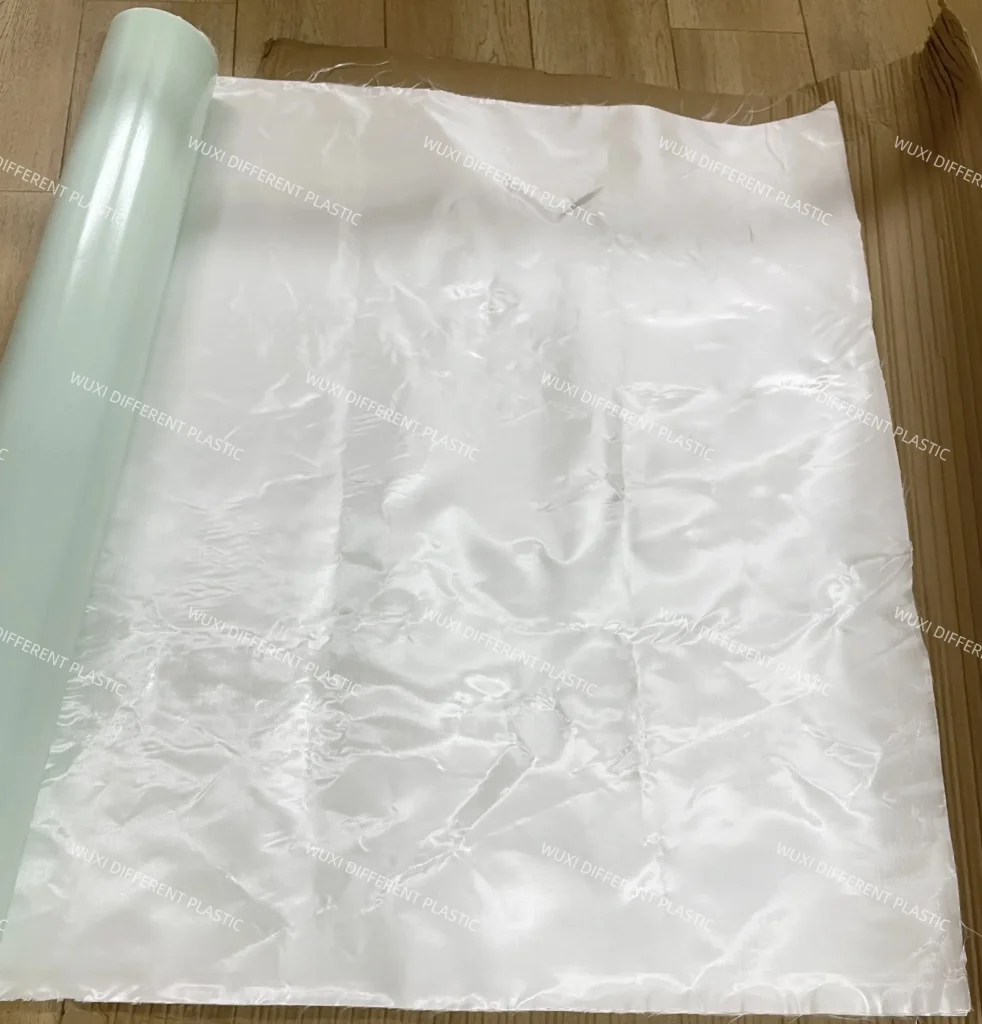
The long-term viability of fiberglass cloth is due to its several distinctive aspects of mechanical, thermal, chemical, and electrical properties.
1) Mechanical Properties
Relative to its weight, fiberglass cloth is of high tensile strength. Being lighter than aluminum or steel, it can deliver a lot of reinforcement. It is also very strong, fatigue-resistant, and therefore can be used in the structural work. It is also flexible to fit complex shapes during composite lay-up operations.
2) Thermal Properties
Glass fibers are very resistant to heat. The majority of fiberglass cloths will maintain their structural integrity at temperatures up to 540 C (1,000 F) in short periods of time. This results in their perfection in thermal insulation and fire-resistance. Another performance enhancement of their performance in insulations is their low thermal conductivity.
3) Chemical Resistance
The properties of fiberglass cloth against most corrosives in Acids, bases and solvents are helpful in the harsh industrial environment. It does not rust or wear out when it is exposed to water and chemicals such as metals.
Special types such as C-glass are generally designed to be highly chemical resistant.
4) Electrical Properties
The electrical insulating properties and the dielectric strength of e-glass are especially appreciated. Fiberglass cloth has common application in electrical laminates, circuit boards, and insulating tapes since it does not wobble even at high voltages.
5) Other Attributes
Besides this, fiberglass cloth is lightweight, cost-effective, and can be customized in terms of its thicknesses and densities. These features render it not only versatile, but very useful. Fiberglass cloth offers the best combination of performance and cost whether reinforcing concrete, creating a boat hull or as insulation in electronics.
5. Advantages of Fiberglass Cloth
1) High Strength-to-Weight Ratio
It is known that fiberglass cloth is the strongest in relation to its weight. It may be performing better than most of the metals on a per-weight basis, rendering it irreplaceable in a sector where per kilogram counts.
In aerospace and automotive systems, lighter structures equates to improved fuel economy and increased speed, whereas in marine systems, lightness ensures higher levels of buoyancy and speed. Lightness and durability are among the main factors why fiberglass remains the most popular reinforcement material.
2) Cost-Efficiency
Affordability is one of the best properties of fiberglass cloth. Although carbon fiber and aramid (Kevlar) are considered to be the most elite reinforcement fibers, based on their superior properties, their high costs restrict their widespread use. Fiberglass, on the other hand, provides a very reasonable price to performance ratio.
This cost-effectiveness allows it to be used in a broad variety of applications, including both standard consumer items and high-performance structures, without compromising durability.
3) Manipulation and Simplicity
Flexible, drapable and cuttable Fiberglass cloth is cuttable making both manual and automated manufacturing operations easy. In the case of hand lay-up processes, it enables the technicians to wrap the material around intricate shapes with little trouble.
Its compatibility with automated cutting and placing systems makes it popular in industrial set ups, where large-scale production is required. This ease of use saves on labor time and complexities in production.
4) Resin Systems Compatible
The next big benefit of using fiberglass cloth is that it can bond well with any type of resin system. Fiberglass can be adapted to various purposes whether with epoxy in aerospace grade parts, polyester in marine grade parts or a corrosive resistant vinyl ester.
5) Diversity in Industries
It is difficult to imagine an industry where fiberglass cloth cannot be used. It finds extensive application in aerospace, marine applications, and is also used in important applications in construction (structural reinforcements, panels), electronics (circuit boards, insulation), and even in recreational goods like sports equipments.
6. Applications of Fiberglass Cloth

Flexibility of fiberglass cloth can be best understood in its broad usage.
1) Marine Industry
Modern boatbuilding is built with fiberglass cloth. It is formed to make hulls, decks, and bulkheads, which provide lightweight strength and corrosion resistance under difficult salty seawater conditions. Fiberglass cloth is a good patching and strengthening material in repairs.
2) Aerospace & Automotive
Fiberglass cloth has been used as a structural reinforcement in aircraft parts including fairings, radomes, and interior panels. It is found in the automotive industry in body parts, hoods and aftermarket parts, where it has been used to lightweight vehicles without increasing prices.
3) Construction
Fiberglass cloth is used to restore roofing materials and gird asphalt shingles. Civil engineering It is used in tunnel design, bridges, building exteriors, wall panels and concrete buildings. It increases the stiffening of cement, prevents the development of the crack, and strengthens the durability.
4) Sports & Recreation
Fiberglass cloth improves the performance and longevity of sporting equipment, including surfboard and ski skins, hockey sticks and golf clubs. It is very flexible in its design and, therefore, allows designers to design high-performance products that have distinct designs.
5) Electronics
PCBs are built on fiberglass cloth covered with epoxy resins to give them mechanical stability and electrical insulation. The electronics industry can not do without its dielectric properties.
6) Industrial Uses
Fiberglass material is used as insulation blankets, welding curtains and pipe wraps. It is needed in safety equipment because of its combustibility, and it does not burn easily.
7) Medical
Orthopedic casts, prosthetic and splints worn during surgery all use fiberglass cloth. Its light weight and strength provides the patients with comfort and mobility compared to conventional plaster.
Together, these applications demonstrate that fiberglass cloth does not belong to one niche but is a foundation of technologies and products in the whole society.
7. Limitations and Challenges
1) Brittleness and Lower Toughness
Fiberglass cloth despite its high tensile strength is brittle when compared to some of the most advanced fibers such as carbon fiber or aramid. It means that it may fracture or break in case of the sudden impact or constant stress.
Its reduced toughness restricts its use in high performance applications where materials need to resist shock impacts, vibrations, or ballistic forces. An aerospace defense system or protective equipment is an example where fiberglass is not the perfect choice in the material selection.
2) Reduced Strength to Weight Ratio When Compared to Carbon Fiber
Fiber glass performs significantly better on a weight basis depending on the weight of the metals in the mix but it fails in contrast to carbon fiber. In high technology sectors such as motorsports or hi-tech aerospace engineering, every gram matters.
The high strength-to-weight ratio is what makes carbon fiber the right decision when the need to be as efficient and as extreme as possible rules out fiberglass as a more affordable and less extreme option.
3) Health and Safety During Processing Hazards
Edging, sands blasting or working fiberglass cloths emits tiny particles of glass in the air. These small fibers are capable of causing irritation to the skin, eyes and respiratory system, and anyone handling them without proper protective clothing will risk it.
Gloves, masks and goggles are necessary to reduce exposure, which also involves additional actions during production and a few more costs and complications.
4) Recycling and Environmental Problems
Environmentally, fiberglass cloth is a problem since it is not biodegradable. When fiberglass composites are cured with resin, they become even more difficult to recycle, because it is not an easy task to separate the fibers and the resin, and this process is not commonly used.
This presents an increasing waste management problem, particularly in such industries as wind energy where the decommissioned turbine blades lead to significant fiberglass disposal problems. Scientific studies into alternative and high-tech technologies to recycle products are currently in progress, yet with little success.
5) Constraints in Extreme High-Performance Applications
Fiberglass cloth fails to perform to the high standards needed in the most demanding environments (e.g. supersonic aircraft, ballistic armor, or space grade components). High-tech materials such as carbon fiber, aramid (Kevlar) or composite materials are desirable since they provide better stiffness, impact resistance, and performance in extreme environments.
Fiberglass is also a solid reinforcement material, but it is seldom the last resort when it comes to cutting edge applications where failure is not an option.
8. Innovations and Future Trends in Fiberglass Cloth
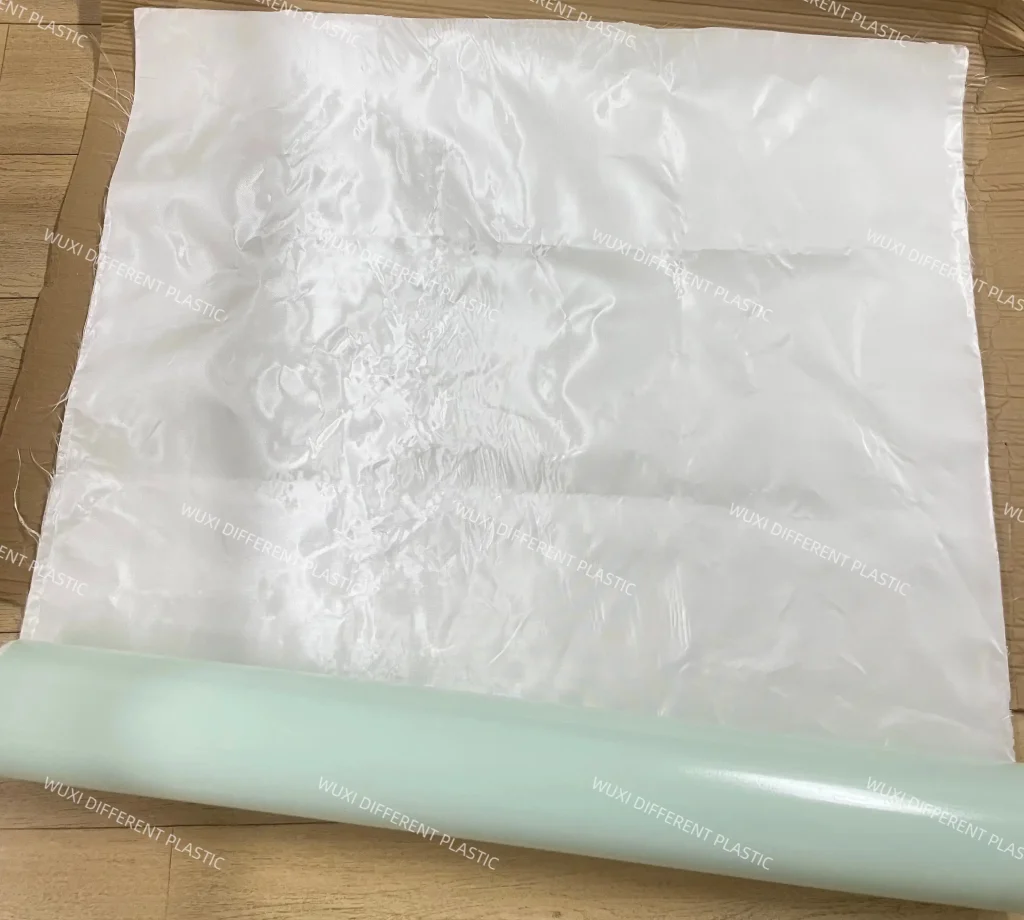
With new innovations and trends fiberglass cloth can more easily be transformed and enhance its performance and sustainability.
1) Hybrid Composites
One of the most promising fiberglass developments is fiberglass integration with other high-performance fibres such as carbon and aramid (Kevlar). These composite hybrids are made to reach a compromise of performance and cost.
Manufacturers can create specific materials, which can be modified to create the desired performance using the low cost and versatility of fiberglass paired with the high strength and rigidity of carbon or the impact toughness of aramid.
Hybrid composites are increasingly being used in aerospace, automotive and sports good field where one must necessarily have the best of both worlds.
2) Eco-Friendly Developments
The concept of sustainability is also embracing the area of material science and fiberglass is not exempt. Recyclable fiberglass fabrics and attempts at using bio-based resins of renewable materials are underway by scientists. The aims of these innovations are to ensure that the production of composites is less environmental degrading.
Other processes under development are those in which waste fiberglass can be recycled, like fillers in building materials, or even cement manufacturing, where it does not contribute to the trash landfill but instead improves the strength of the cement.
These greener operations are causing fiberglass industry to be in line with global sustainability goals.
3) High-technology Weaving
The newest 3D fiberglass woven material is being used to complement the old-fashioned two-dimensional weaves. These fabrics are produced by interlacing fibers in three dimensional space to create materials that are stronger yet not that likely to delaminate (separation of layers when under stress).
This makes them particularly practical in any application that requires complex loading conditions such as aerospace structures, automobile crash components or high technology athletic equipment. The incorporation of structural integrity of 3D weaves has created a new possibility of high-performance designs.
4) High Temperature Fiberglass Cloth
The other emerging technology is that of the manufacturing of fiberglass cloth which is capable of withstanding intense heat. Improved fiberglass varieties may possess ceramic surface and silica enabling temperatures up to 1,000°C.
They find use in aerospace (systems of thermal protection), metallurgy (insulation of furnaces), industrial safety (fire blankets, protective clothing, etc.), and so on. These innovations are propelling the fiberglass composite to high pressure applications that are previously covered by the sole usage of exotic ceramics or metals.
5) Automation in Production
The production of fiberglass cloth is also experiencing a change as automation and robotics are introduced in the production process. Lower labor and human error is achieved by use of robotic lay-ups and curing, automated weaving and precision and consistency.
This scalability is inherent in responding to the increasing demand of the light weight composites in transportation, energy and infrastructure in the entire world. As speed and efficiency of production increases, fiberglass cloth is even getting more competitive with other reinforcement materials.
The combination of these innovations is sure to make fiberglass cloth remain relevant, not only that, but also expand its use in new generations technologies.
9. Bottom Line
One of the most important and useful reinforcement materials of the new era has turned out to be fiberglass cloth. It has been robust, durable, and versatile since its introduction in the early 20th century to widespread application in marine, aerospace, construction, electronics, and recreational applications.
It is a material that might meet the diverse demand of average products and the most sophisticated technologies because of its qualities, including lightweight strength, chemical resistance, thermal stability, and electrical insulation.
Fiberglass cloth is silently creating the modern world whether it is the hull of a boat, a structure of aircraft panel, the surface of a ski or the foundation of a printed circuit board. Its cost-benefit ratio and performance make it something, which will never be substituted ever again.


