
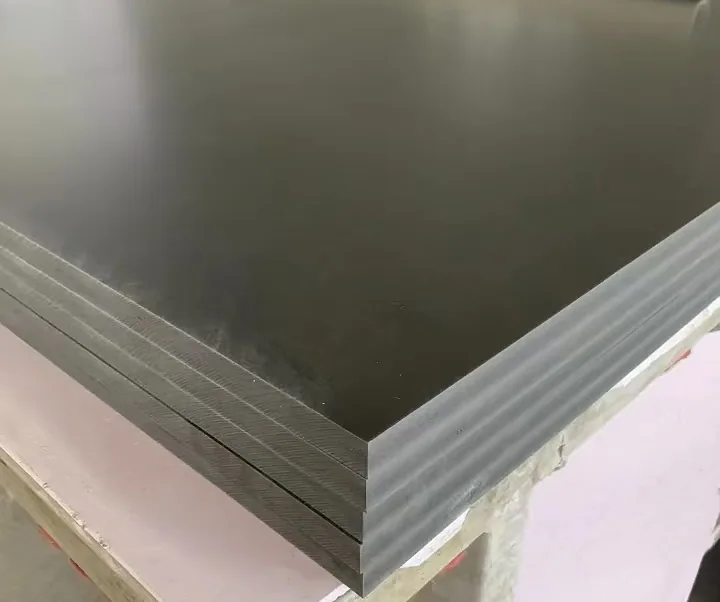
Polyvinyl Chloride, PVC or as it is also known, in this voluminous polymer world, has exhibited just about as much versatility, lasting power, ease of use as any other material around. First invented early in the 20 th century, PVC has undergone a continuous change to become one of the most common synthetic aspects in the world. And it appears in all sorts of constructions to home goods due to the combination of low price, durability, and serviceability.
The PVC sheets, specifically, have become popular based on the attributes that they possess and thus are appropriate in several applications. PVC sheets have established a very important niche either in industrial machinery, residential interior, and commercial installations. The sheets are designed to work in a broad environmental scope and hence they provide solutions that are economically efficient and convenient.
Adaptability is one of the most important factors that has made the use of PVC sheets to be very popular. PVC sheets are accessible in so many types that meet both purpose and looks-to-please demand, such as rigid, flexible, clear, and foamed.
Moreover, they are readily processed and easy to maintain and hence are appealing to both manufacturers, designers and engineers. With industries showing an increasing demand to find materials that are both economical and efficient in their performance, PVC sheets cannot be passed out as one of the most coveted materials.
What is PVC Sheet?
PVC is a man-made plastic polymer which is a product made by the polymerization of vinyl chloride monomers. Being one of the most manufactured plastics worldwide, PVC is famous because of its diversity. This material is extruded and has calendared into PVC sheets, a flat solid panel of this material. Such sheets may be tailored in size, thickness, color, texture and also flexibility according to one need or another in various industries.
PVC occurs in two main forms; flexible and rigid. Highly rigid PVC, commonly known as unplasticized PVC (uPVC), is strong and rigid and thus structural uses such as in piping, window frames, and even wall claddings are common practices. The flexible PVC however is manufactured by adding plasticizers to the base product making it further bendable and soft. The cable insulation, the automotive interiors, and soft curtain are some of the applications that utilize this type.
The fabrication of PVC sheets normally begins by mixing PVC resin with stabilizers, plasticizers (in the case of the flexible types) and other additives. This mixture is then ran through extruder or a calendaring machine through which the mixture get transformed into flat sheets of the required thickness. After extrusion, annealing, embossed, or adhesive to the surface can be done to increase strength or cosmetics.
PVC sheets are manufactured in different sizes although the thickness is normally between 0.5 mm and 50mm. They are designed in an array of colors that ranges to standard white, black, grey, and transparent. Special colors and finishes may also be ordered like matte, gloss, or embossed, and these may also vary according to the use.
Key Properties of PVC Sheets
PVC sheets are hailed because of their broad nature of properties that enable the sheets to be used in a variety of applications. These are resistance to mechanical stresses, resistance to chemicals, ease of handling among others.
Durability and Impact Resistance:
They are made of PVC which has good mechanical strength. In specific, rigid PVC gives an excellent impact resistant, and can be used in structural applications, and in those situations where mechanical strain is considered. This durability will make it last long and doesn t necessitate frequent replacements.
Chemical and Weather Resistance:
Another excellent property of PVC sheets is the chemical resistance and resistance to other environmental factors. They are able to resist chemicals like acids, alkalis, salts and a majority of industrial solvents and thus they are used in laboratories and industry workstations. Also, they cannot rust or deteriorate under the influence of moisture or air impurities, which increases the lifetime of products in the open air.
Fire-Retardant and UV-Resistant Options:
PVC burns slowly and self-extinguishes and its ignition temperature is high. The reason is that it is safer to use in a public facility or even transport. Most of the manufacturers also provide UV resistant version so that after being subjected to a longer period of sunlight the sheet neither starts turning yellow nor becomes brittle.
Lightweight Yet Strong:
PVC sheets are not very heavy as compared to other materials, also they are strong. This attribute makes it easy to transport, handle and set up especially in construction and high-volume production.
Easy to Fabricate and Maintain:
Standard tools make it possible to cut, shape and join PVC sheets to any shape. They hold a wide range of adhesives, mechanical fasteners and can also be welded. Maintenance and cleaning is simple usually all a cleaning necessitates is simple water and relative detergent.
Thermal and Electrical Insulation Characteristics:
PVC is a low thermo- and electro conductor, which presents it with good insulating characteristics. Such properties render PVC sheets quite practical in insulation in electric applications, as well as in thermal control applications, like HVAC.
Common Types of PVC Sheets
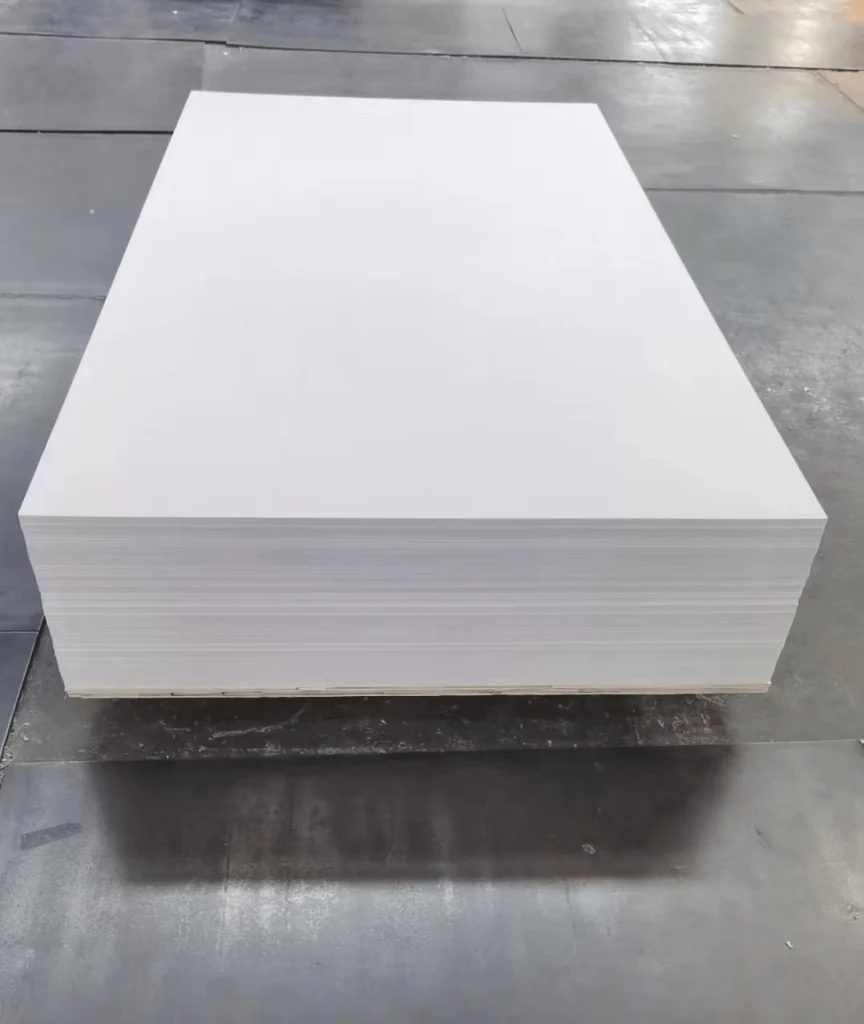
Rigid PVC Sheet (uPVC):
They are solid, thick papers that are widely applied in the building, automobiles, and the signage sectors. They have high structural strength, UV and low thermal conductivity. Examples of its common application include insulation of pipes, window frames and wall panels.
Flexible PVC Sheet:
Flexible PVC Sheets are manufactured using plasticizers to make them very flexible, they are employed where some kind of movement or bend is required. These are insulative cable, soft door curtain and auto interior. They provide good resistance to abrasion and chemicals.
Clear PVC Sheet:
Clear PVC sheets are also preferably used when visibility and protection are to be provided. Applications of such sheets are in protective shields, display cases and windows. They have optical clarity and they are easy to clean hence making them commercially applicable as well as industrially applicable.
Foamed PVC Sheet:
These sheets are produced by adding a foaming agent on the production line, producing a light-weight structure that has a matte finish. This can be found in many areas of signage as well as exhibition display and interior decoration or design where foamed PVC sheets are particularly easy to print on, and cut and thus suitable to be creative and used as promotional items.
Textured or Embossed PVC Sheets:
They can also be embossed on PVC sheets to serve multiple purposes either to provide texture or to provide a decorative aesthetic effect. They are found mostly in wall coverings, finish in cabinets and decorative panels. The embossed surface provides skin grip and aesthetics with the salient characteristics of PVC maintained.
Applications Across Industries
Construction:
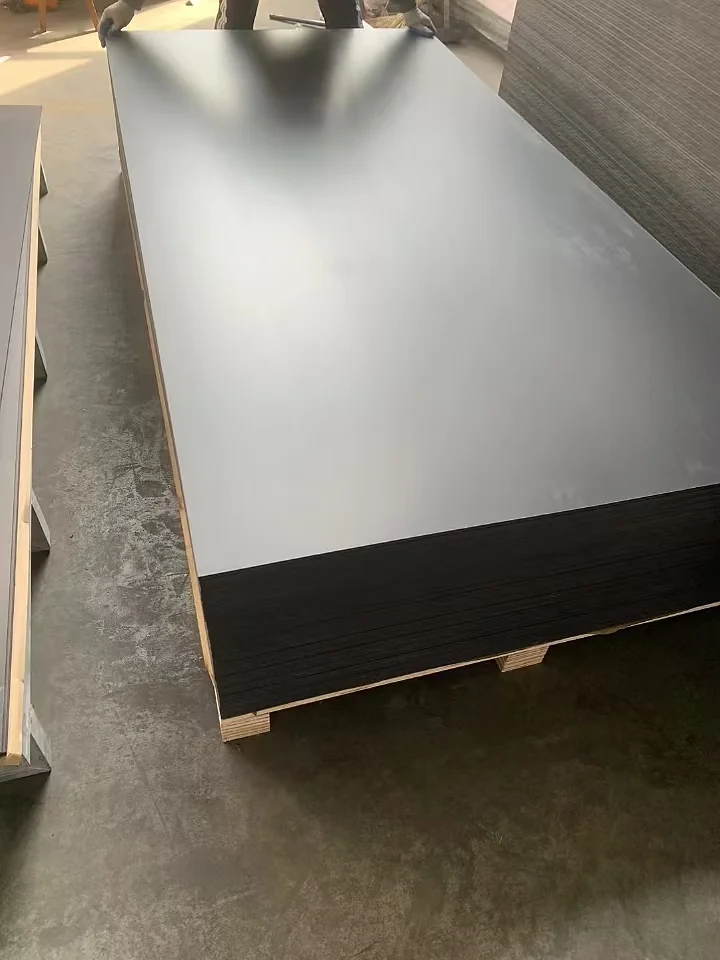
The PVC sheets are applied in the construction sector when cladding the walls, roofing, window frames, and partitions. They are moisture repellent and they are able to be installed easily and they are very effective in terms of insulation and thus they are the preferred choice to be used in both residential and commercial buildings. High-traffic areas will usually require the use of rigid PVC because of the material pictured in the toughness and lack of flammability.
Signage & Graphics:
Rigid and foamed PVC sheets find wide application in the signage sector. They can be applied both indoors and outdoors as they have smooth surface, are simple to print and can withstand the environment. It is used in billboards, display boards, name plates and stands.
Automotive:
PVC sheets are used in interior trims, door covers, and linings in manufacturing of automobiles. They are lightweight and therefore enable fuel efficiency and they are also flexible and can withstand chemicals which have the effect of long lasting aesthetics and performance.
Healthcare:
PVC sheets are used as partitions along cleanrooms, hygienic wall cladding and ceiling sheets in hospitals and clinics. PVC offers good resistance to bacteria, fungi and chemicals, thus quite suitable to use where a sterile environment is required.
Packaging:
The products which are commonly used in packages are clear and flexible PVC sheets. Products that make use of the transparency, strength and formability of PVC include blister packs and clamshell receptacles. Such applications usually require a high degree of precision that PVC is well able to provide.
Furniture:
Furniture especially in kitchen and bathroom cabinetry are made possible with the use of PVC sheets. They bring aesthetic value, waterproofing and clean panache. Embossed papers increase the interior designs texture and color.
Marine & Agricultural:
The sheets of PVC are used in the marine settings to provide a liner, covering up the deck and a resistant surface to corrosion. They are also used in agriculture where they would be applied as greenhouse panels, irrigation, and protective barriers because they are UV resistant and durable.
PVC Sheets vs. Other Materials
Comparison with Acrylic, Polycarbonate, and Metal Sheets:
Although transparency and strength are also available on acrylic and polycarbonate, PVC tends to be cheaper to manufacture and also easier to handle. Metal sheets are heavier compared to strong ones as they are prone to corrosion without treatment. PVC is a compromise, tough enough to use in most applications and much easier to deal with.
Cost-Efficiency:
Polyvinyl chloride (PVC) sheets are also cheaper to manufacture and ship than say polycarbonate or metal. They also have a long life and low maintenance that decreases the overall cost of ownership.
Maintenance and Longevity:
PVC will need little maintenance. It is stain, corrosion and weather resistant thus can be used either indoor or outdoor. It is economical because it can retain form and color throughout years.
Environmental and Safety Considerations:
Whereas conventional PVC has been widely criticized because of its chlorine content and the use of phthalates, the improvement of the manufacturing process resulted in safer forms of low-emission alternatives. A lot of PVC sheets have become RoHS and fire and safety compliant.
| Feature | PVC Sheets | Acrylic Sheets | Polycarbonate Sheets | Metal Sheets |
| Cost | Low | Moderate | High | High |
| Weight | Lightweight | Lightweight | Moderate | Heavy |
| Workability | Easy to cut, weld & shape | Brittle when cutting | Tough but harder to fabricate | Requires specialized tools |
| Durability | Weather & corrosion resistant | Moderate durability | High impact resistance | Extremely durable, prone to corrosion |
| Maintenance | Low maintenance | Moderate maintenance | Low maintenance | High maintenance if untreated |
| Environmental Impact | Improved safer versions available | Less toxic, recyclable | Less recyclable | High carbon footprint |
PVC sheets offer a balanced combination of affordability, durability, and ease of use. While other materials excel in specific areas, PVC stands out as the most versatile and cost-effective choice for many applications.
Customization and Fabrication
This is because PVC sheets are easy to customize to suit many applications. They may be sawn, by CNC routers or even lasers. Heat-forming can be used to bend and welding is done under application of hot air or with chemicals.
The adhesives and the solvents give room to strong binding and the sheets can also be screwed or riveted. PVC sheets may be laminated with films or directly printed on by using UV or solvent inks to serve some decorative or branding usage. This is due to aesthetic flexibility because of the different finishes such as in high gloss, matte, and embossed.
Sustainability and Environmental Impact
Recycling of PVC:
One of the plastics that are more recyclable is PVC. The post-consumer and post- industrial PVC sheets could be converted into other products or reprocessed into new sheets. Recycling as well as collection systems are growing sturdier especially in North America and Europe.
Innovations in Eco-Friendly PVC Production:
Contemporary PVC manufacturing involves the use of bio-based plasticisers and less polluted manufacturing systems. All these innovations are supposed to cut emissions and be beneficial to the environment footprint of PVC materials.
Concerns about Phthalates and Chlorine-Based Products:
Flexible PVC uses phthalates which have been found to be problematic on the health arena; however, there are safer options today. Regulatory agencies are on the edge to reduce VOC emission and increase safety of PVC products.
Regulatory and Compliance Standards:
The sheets of PVC used in building construction, health sector and even on food packaging should meet very high standards where standard requirements include FDA, RoHS and even REACH requirements. Producers are becoming more open about what their products are made of and what effect it will have on nature.
Choosing the Right PVC Sheet for Your Project
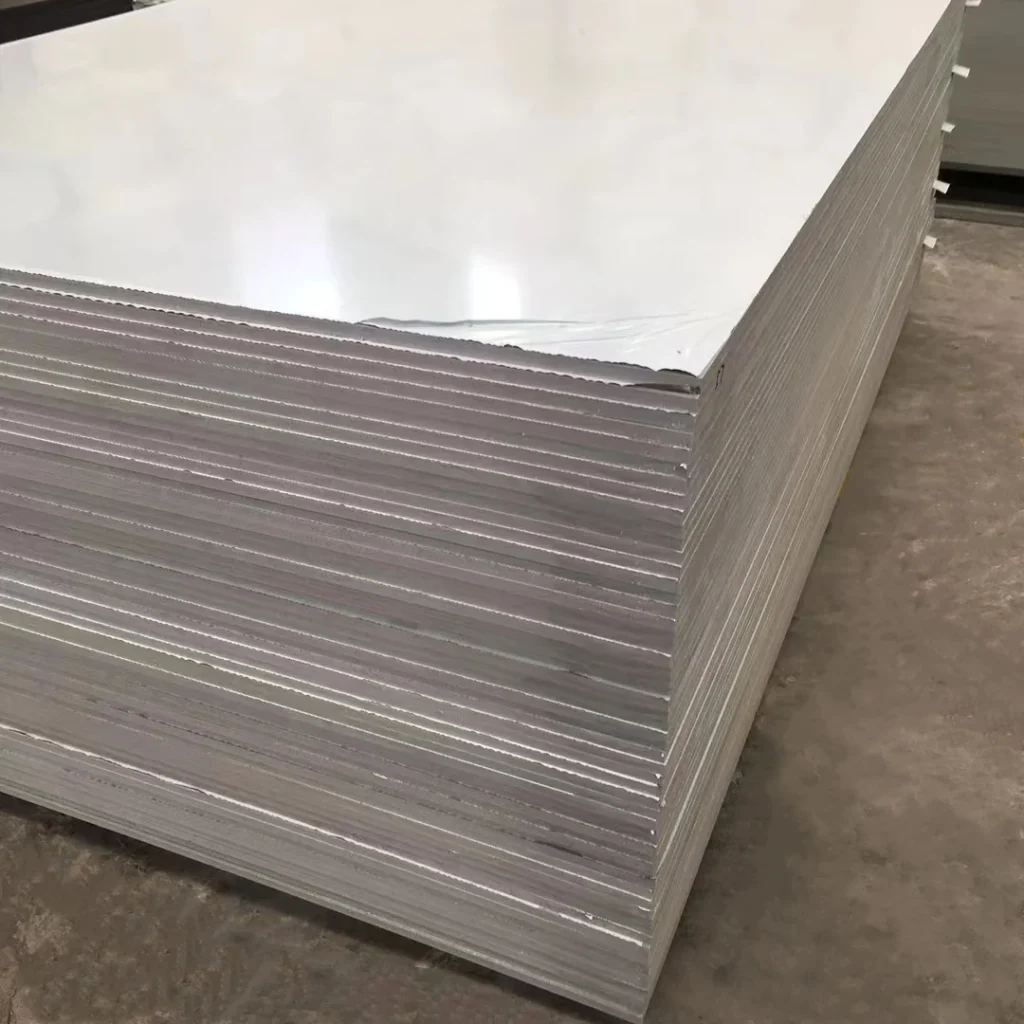
The administrative requirements of each project, when it comes to choosing the correct PVC sheet, go further than color or thickness choices, and involve careful consideration as to the environment, functionality and regulatory issues of each application. Intended use is the first thing that should come into play.
In structural or load bearing applications, rigid PVC (uPVC) is perfect since it is strong and stable. Conversely, when flexibility and movement is required, then as in protective curtains or wire insulation flexible PVC will provide the necessary pliability.
Thickness, as well as dimensions, is of importance. Higher thickness is more durable and impact resistant and hence appropriate with heavy duty work and the thinner sheets offer better decorative or light construction installations. Make sure that the size and thickness are compatible with the project needs in terms of the performance and safety.
Areas of environmental factors should not be left out. When used outdoors, we should prefer using PVC sheets that are UV-stabilized and fire-retardant as there will be a higher chance of the sheets being able to withstand more time under the sun and passing safety codes. When exposed to wet or chemical environment, such as in the lab, at sea, or on a farm, use special more chemically resistant and corrosion-resistant sheets.
When the product is sensitive to hygiene, like in the food industry, in pharmaceuticals or in the healthcare sector, the PVC sheets must be of a high level of hygienic compliance like FDA or RoHS. These strains are generally sterile, simple to sterilize and resistant to bacterium growth.
Finally, consider cost, installation demands and maintenance demands. The PVC sheets can be cheap and easy to care of, although more expensive specialist types (e.g., textured, foamed, or high-impact) could be less costly in initial outlay but offer an extended lifetime and performance.
Proper selection of the type will provide you with a guarantee of safety, efficiency, and satisfaction with the result of your project in the long run.
Conclusion
PVC sheets have developed as one of the most flexible and dependable material accessible nowadays. Through their many qualities, such as durability, chemical resistance, and customization ease, they have assorted uses in various industries and are thus invaluable.
PVC sheets perform well at a fair price and are also used in construction, signage, health care and automotive industries. Due to sustainability and innovation the material science is developing rapidly which finds PVC still evolving using environment friendly solutions and manufacturing methods.
Engineers, designers, or decision-maker; you might find in PVC sheets a practical, cheap, and efficient shape. Due to this, they are in a position to be at the front line of industrial and commercial design in years to come.
𝙁𝙤𝙧 𝙢𝙤𝙧𝙚 𝙞𝙣𝙛𝙤𝙧𝙢𝙖𝙩𝙞𝙤𝙣:
WhatsApp: (+86)18094277239
Email:info@differentplastic.com


